







What's Happening?
Woodbelly, a Vermont-based food business, has opened a new breakfast and lunch cafe in Middlesex, marking a significant shift in its operations and ownership. Cofounder Jonah Bourne noted that the business, which started in 2008 with a mobile wood-fired
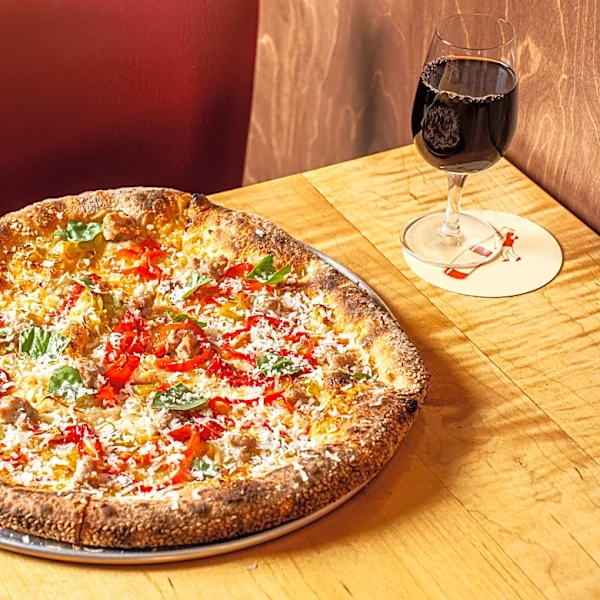
pizza oven, has transitioned from a more chaotic, creative approach to one focused on consistency and structured systems under new co-owners Frederick MacKenzie and Eric Andersen. The Middlesex location, situated at Camp Meade, was previously occupied by Red Hen Baking. The cafe features an outdoor pizza oven operating Wednesday through Sunday, a creemee window, and a daily cafe menu. Chef Bill Jenkerson has crafted a diverse menu including sandwiches, salads, and sides, with plans to introduce dinner dishes like burgers, housemade pastas, and roasted broccolini later in the year after an indoor wood-burning oven is built. The new ownership has also managed to raise the starting hourly wage for employees to $23 and reduce pizza prices, despite rising ingredient costs.
Why It's Important?
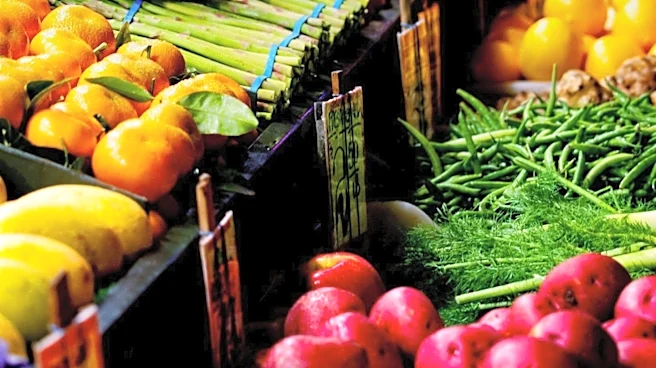
The transformation of Woodbelly into a more structured and consistent operation is important for several reasons. For the local economy, the opening of the Middlesex cafe creates jobs and provides a new dining option, potentially drawing customers to the Camp Meade area. The commitment to raising employee wages to $23 per hour demonstrates a focus on fair labor practices, which can set a positive example for other small businesses in the food industry. By reducing pizza prices while maintaining quality, Woodbelly aims to make its offerings more accessible to a broader customer base, fostering community engagement. The emphasis on sourcing local ingredients, such as organic flour from Red Hen Baking and produce from local farms like Small Axe Farm, Dog River Farm, and 1000 Stone Farm, strengthens the regional agricultural economy and promotes sustainable food systems. This business model highlights how local enterprises can balance profitability with social and environmental responsibility.
What's Next?
Woodbelly plans to expand its offerings later this year by introducing dinner dishes, which will coincide with the construction of an indoor wood-burning oven. This expansion will likely broaden its customer base and increase revenue streams. The business will continue to focus on maintaining consistency in its menu and operations, a key aspect of its new vision. As Red Hen Baking's production kitchen, which currently shares space with Woodbelly, moves to a new location, Woodbelly will gain more autonomy and potentially more space for its own operations. The new owners, Frederick MacKenzie and Eric Andersen, will continue to build on their relationships with local farms to ensure a steady supply of high-quality, ethically sourced ingredients. The success of the Middlesex cafe could also lead to future expansion or new ventures for the Woodbelly brand.
Beyond the Headlines
Woodbelly's evolution from a free-spirited cooperative to a more systematically managed business reflects a broader trend in the food industry where passion-driven ventures mature into sustainable enterprises. This shift highlights the challenges and opportunities in scaling a business while retaining its core values, such as supporting local farms and fostering community. The decision to prioritize employee wages and customer affordability, even amidst rising costs, speaks to a growing consumer demand for businesses that demonstrate social responsibility. This case study offers insights into how local food businesses can adapt to market demands and operational complexities without compromising their ethical foundations. It also underscores the cultural significance of food as a community builder, with Woodbelly aiming to create a welcoming space where people can connect over thoughtfully prepared meals.