



What's Happening?
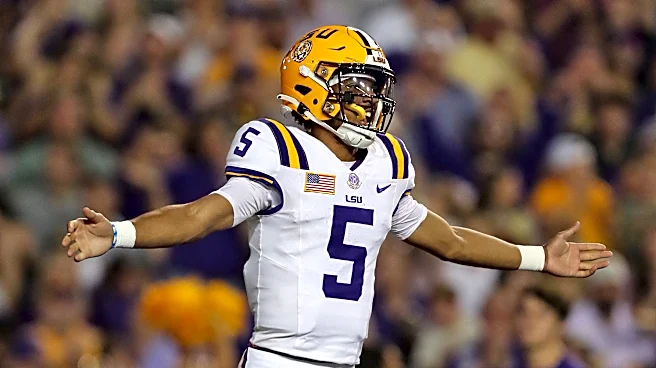
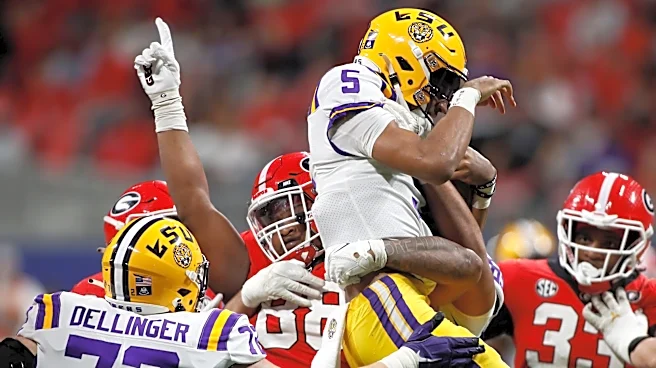
The Los Angeles Angels baseball team engaged in a public jab at NFL quarterback Jayden Daniels during a recent game, referencing his ongoing dispute with LSU over the use of his former No. 5 jersey. During a ceremony celebrating the 50th anniversary of KISS's
1976 concert at Anaheim Stadium, Gene Simmons threw four ceremonial first pitches. Following this, the Angels' official social media account posted a photo of Simmons, joking, "He asked to throw a 5th pitch but we had to say no out of respect for Jayden Daniels." This comment directly targets Daniels' representatives, who recently sent a cease-and-desist letter to LSU, prohibiting the university from using his name, image, and likeness. The dispute arose after LSU assigned Daniels' former No. 5 jersey to sophomore cornerback DJ Pickett, which Daniels' family reportedly views as disrespectful to the legacy he built, including winning the 2023 Heisman Trophy. The Angels' playful jab highlights the widespread attention and commentary surrounding Daniels' stance on his collegiate legacy and NIL rights.
Why It's Important?
This incident underscores the growing complexities surrounding Name, Image, and Likeness (NIL) rights in collegiate sports and the broader cultural conversation about athlete branding and legacy. Jayden Daniels' dispute with LSU is not merely about a jersey number; it represents a significant point of contention regarding how universities manage the legacies of former athletes in the NIL era. For Daniels, the No. 5 jersey is a symbol of his Heisman-winning season and his contributions to LSU. The university's decision to reassign it, coupled with the cease-and-desist letter, highlights the legal and emotional challenges athletes face in protecting their personal brand post-college. The Angels' public trolling, while lighthearted, demonstrates how these collegiate-level disputes can spill into professional sports and popular culture, indicating a broader public awareness and opinion on the matter. This situation could influence how other universities and professional teams approach honoring former athletes and navigating NIL agreements, potentially setting precedents for future athlete-institution relationships and the commercialization of collegiate sports legacies.
Beyond the Headlines
The Angels' playful jab at Jayden Daniels, while seemingly a minor sports-related jest, reflects deeper societal shifts in how athletes, particularly in the collegiate sphere, perceive and protect their personal brands. The NIL era has empowered college athletes with unprecedented control over their image and likeness, transforming them into independent economic entities. This newfound power, however, also brings challenges, as seen in Daniels' conflict with LSU. The incident raises questions about the traditional reverence for jersey numbers and athletic legacies within institutions versus the individual athlete's right to control their brand. It also highlights the evolving relationship between professional sports organizations and collegiate athletics, where the lines between amateur and professional branding are increasingly blurred. The public's reaction, including the Angels' participation in the 'trolling,' indicates a cultural reckoning with the commercialization of sports and the individual athlete's place within it. This ongoing dialogue will likely shape future policies and norms regarding athlete rights, institutional traditions, and the intersection of sports, law, and celebrity culture.