



What's Happening?
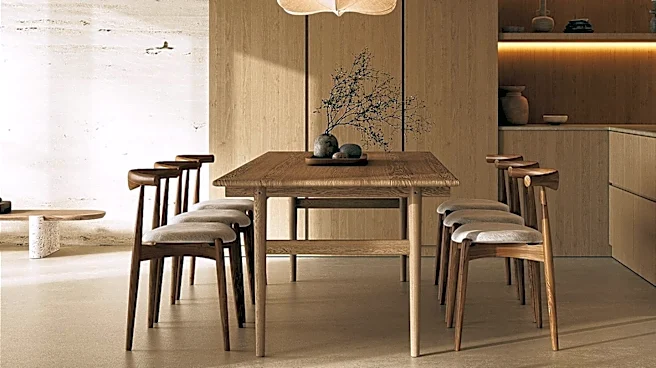
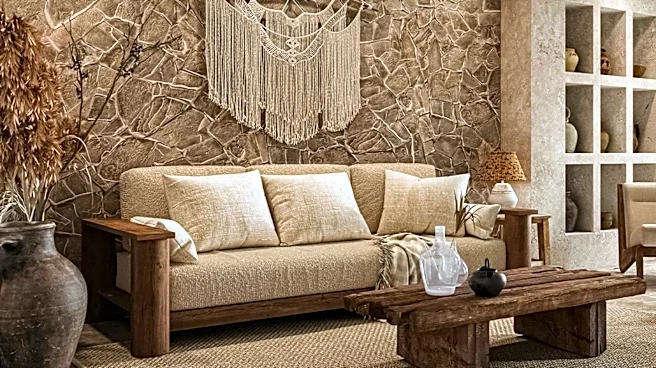
The Japandi interior design style, a fusion of Scandinavian minimalism and Japanese elegance, is increasingly being adopted in modern urban homes. This aesthetic emphasizes serene, clutter-free environments, incorporating natural wood tones, terracotta
accents, and minimalist design principles. It is particularly favored for its ability to create spaces that feel both grounded and elevated. The style is being utilized in various residential settings, including 1-3 bedroom condos, and is noted for its appeal to design-conscious tenants. Companies are offering furnishing packages and design themes centered around the Japandi style to maximize appeal and minimize vacancy in rental properties. This trend is also influencing furniture upgrades, with homeowners using IKEA hacks to adapt existing furniture to the Japandi aesthetic, such as adding real wood veneer finishes or geometric wall panels.
Why It's Important?
The growing popularity of the Japandi style reflects a broader shift in consumer preferences towards mindful living and functional aesthetics in urban environments. For the U.S. interior design and furniture industries, this trend signifies a demand for products and services that align with minimalist and natural aesthetics. Businesses that can cater to this demand, through customizable furniture options, design consultations, or curated decor collections, stand to gain market share. Real estate developers and property managers may find that incorporating Japandi elements into their properties can increase rental uplift and reduce vacancy rates, as design-conscious tenants are willing to pay a premium for such spaces. This trend also highlights the influence of global design philosophies on American homes, encouraging a more international and blended approach to interior decor.
What's Next?
As the Japandi style continues to gain traction, it is anticipated that more furniture manufacturers and interior design firms will integrate its principles into their offerings. We can expect to see an increase in product lines featuring natural materials, clean lines, and functional designs. There may also be a rise in DIY and customization trends, as consumers seek to personalize their living spaces with Japandi-inspired elements. Educational resources and design guides focusing on how to achieve the Japandi look will likely become more prevalent. Furthermore, the real estate market, particularly in urban centers, may increasingly market properties with Japandi-inspired interiors as a key selling point, appealing to a demographic that values tranquility and sophisticated simplicity in their homes.
Beyond the Headlines
The embrace of the Japandi style goes beyond mere aesthetics; it reflects a deeper cultural inclination towards well-being and sustainability. The emphasis on natural materials and clutter-free spaces aligns with a desire for a more harmonious and less consumerist lifestyle. This trend could foster a greater appreciation for craftsmanship and durability over fleeting trends, potentially influencing manufacturing practices to be more environmentally conscious. Ethically, it promotes a sense of calm and order, which can positively impact mental health in increasingly busy urban lives. The blend of Japanese and Scandinavian philosophies also signifies a cross-cultural exchange, enriching the design landscape and encouraging a more global perspective on home aesthetics and functionality.