
What's Happening?
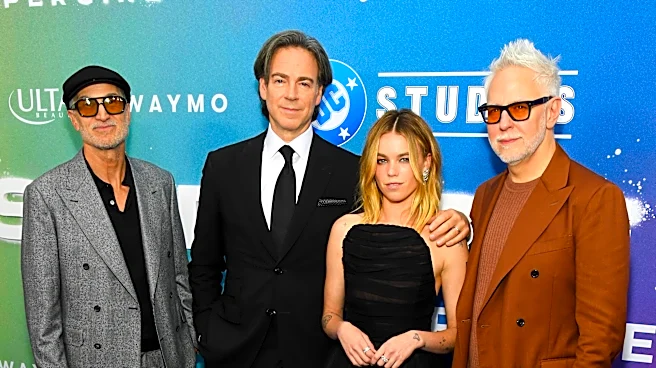
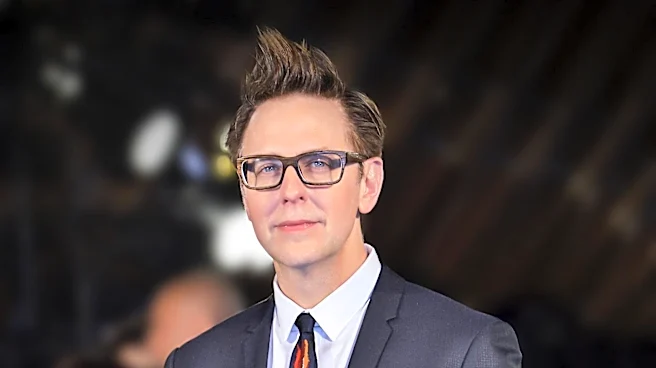
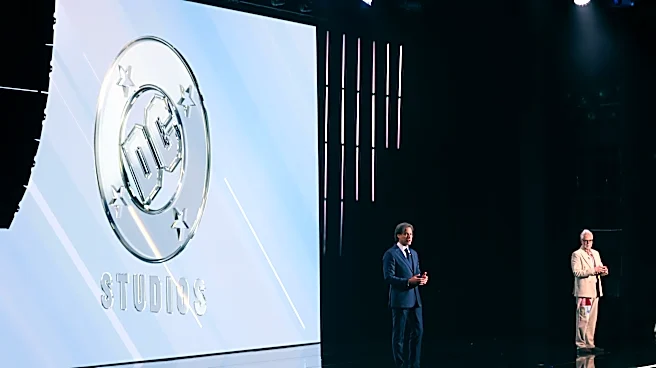
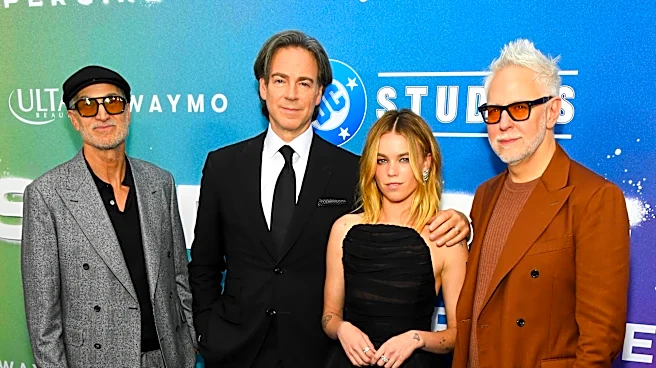
James Gunn has described his four-year tenure as co-head of DC Studios as 'trying, to say the least,' as he prepares to hand over the leadership role to Jeremy Latcham, a former Marvel Studios executive.
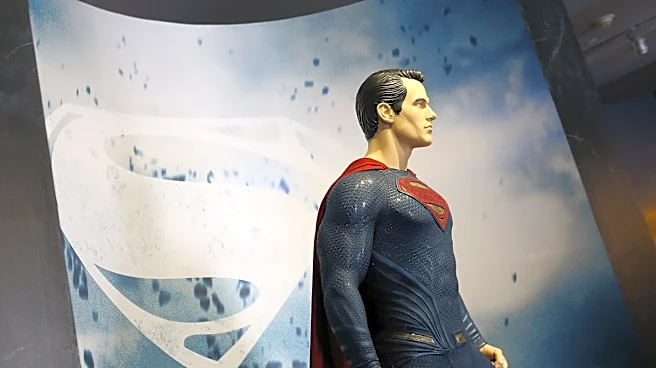
In a social media post, Gunn expressed his dislike for the 'at-times corporate nature of the job' and noted the personal sacrifices he made, including giving up short breaks he typically took between filmmaking projects. He thanked his wife, Jennifer, for her support and apologized for the time lost due to his demanding work schedule. Gunn, who shared leadership with producer Peter Safran, admitted to struggling with balancing his passion projects and the administrative duties inherent in a studio head position, attributing some of this difficulty to his ADHD hyperfocus. Despite the challenges, Gunn also reflected fondly on his time, calling full access to DC characters 'a dream come true' and highlighting projects like 'Superman and Clayface,' 'Peacemaker,' and 'Man of Tomorrow' as significant achievements. He praised Safran for handling much of the corporate workload.
Why It's Important?
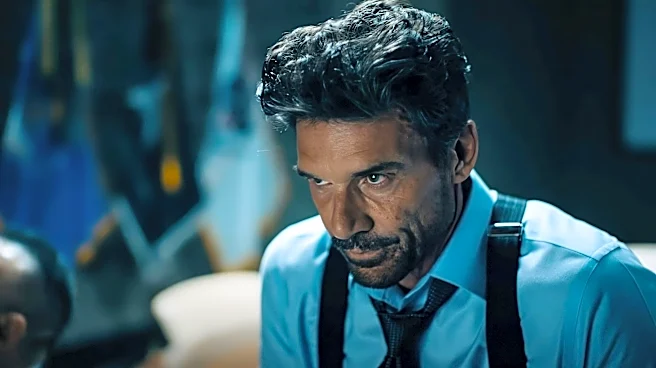
Gunn's departure and candid reflections offer significant insight into the demanding nature of executive roles within major film studios, particularly those overseeing vast intellectual properties like DC Comics. His comments about the 'corporate nature of the job' and the difficulty in balancing creative passion with administrative duties highlight a common tension faced by creatives in leadership positions within large entertainment conglomerates. This transition is crucial for the future direction of DC Studios, as Jeremy Latcham steps in to lead. Latcham's background at Marvel Studios suggests a potential shift in strategy or approach for the DC Universe, which could impact upcoming film and television projects. The change in leadership also signals a new era for DC, potentially influencing how its iconic characters are developed and presented to audiences, and how the studio navigates the competitive landscape of superhero franchises. The personal toll Gunn described also underscores the intense pressure and commitment required in such high-profile industry roles.
What's Next?
James Gunn and Peter Safran are set to formally step down as co-CEOs of DC Studios on December 1, with Jeremy Latcham assuming the chief executive role. Despite his exit from the top leadership position, Gunn will maintain involvement with DC beyond this date. His written and directed film, 'Man of Tomorrow,' is scheduled for release in cinemas on July 9, 2027. Furthermore, Gunn confirmed that he and Safran are collaborating on another DC project, which Gunn is currently writing, indicating their continued creative contributions to the DC universe. This suggests that while the executive leadership is changing, Gunn's creative influence may still be felt in future DC productions. The transition will likely involve Latcham outlining his vision for DC Studios, which could lead to new project announcements, strategic shifts, or changes in production priorities as the studio moves forward under new sole leadership.
Beyond the Headlines
Gunn's public statements about the challenges of his DC Studios role, particularly his mention of ADHD hyperfocus making the balance difficult, shed light on the personal and professional complexities faced by individuals in high-pressure creative leadership positions. This transparency could spark broader conversations within the entertainment industry about mental health, work-life balance, and the unique demands placed on creatives who transition into executive roles. His experience highlights the potential conflict between artistic vision and corporate responsibilities, suggesting that even with a deep passion for the material, the administrative burden can be overwhelming. The shift in leadership also raises questions about the long-term strategy for interconnected cinematic universes, as studios continually seek to balance creative integrity with commercial success. The ongoing involvement of Gunn in creative projects, even after stepping down as CEO, suggests a model where experienced creatives might transition between executive and purely creative roles, leveraging their expertise without the full weight of corporate management.