







What's Happening?
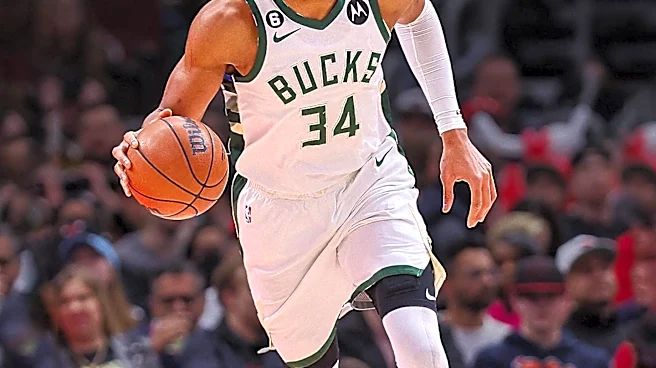
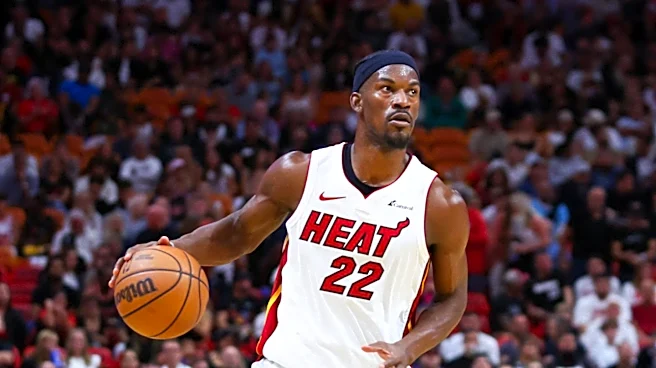
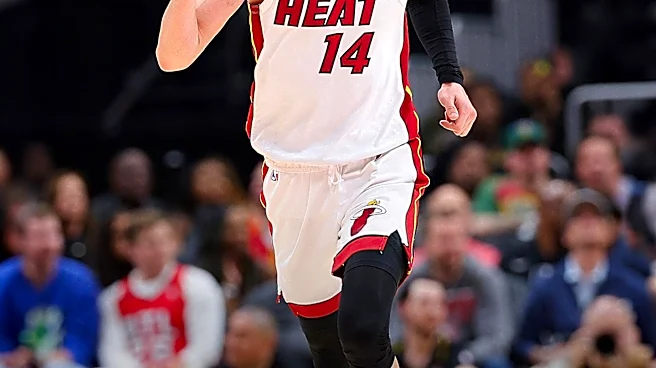
Giannis Antetokounmpo has officially joined the Miami Heat following a trade from the Milwaukee Bucks. The trade involved multiple players and draft picks, including Tyler Herro and Kel'el Ware, who were sent to the Bucks. Antetokounmpo has decided to wear
the number 7 jersey with the Heat, leaving behind his iconic number 34 jersey from Milwaukee. The decision to change his jersey number is sentimental, as he initially chose 34 by combining the last numbers of his parents' birth years, 1963 and 1964. Now, he has added 3 and 4 to arrive at 7, marking a new chapter in his career.
Why It's Important?
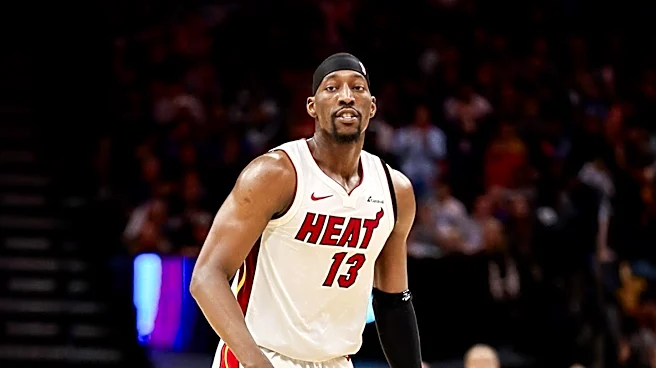
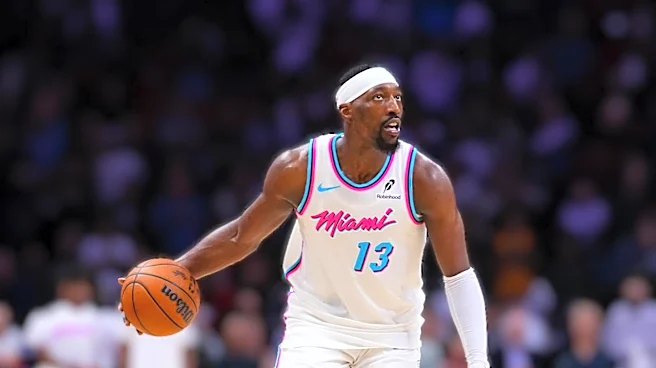
The trade of Giannis Antetokounmpo to the Miami Heat is significant for both the player and the teams involved. For the Heat, acquiring Antetokounmpo, one of the league's top players, enhances their defensive capabilities alongside Bam Adebayo, creating a formidable partnership. This move could shift the balance of power in the NBA, as the Heat aim to strengthen their roster for championship contention. For Antetokounmpo, the change in jersey number symbolizes a fresh start and respect for the Milwaukee Bucks, where he spent 13 years and achieved considerable success.
What's Next?
With Antetokounmpo joining the Miami Heat, the team will likely focus on integrating him into their system and maximizing the potential of their new lineup. The Heat's management may need to address roster construction issues to ensure a balanced team dynamic. Fans and analysts will be watching closely to see how Antetokounmpo adapts to his new environment and how the Heat perform in the upcoming season. The Bucks, on the other hand, will need to strategize on rebuilding their team after losing a key player.
Beyond the Headlines
Antetokounmpo's decision to change his jersey number reflects deeper personal values and respect for his former team. This move highlights the emotional and cultural aspects of sports, where players often make decisions based on personal significance rather than just professional considerations. It also underscores the importance of legacy and the impact of a player's history with a team, which can influence their choices even after moving to a new team.