






What's Happening?
A British tour group, initially en route to an Alaska cruise via a land tour of the American West, made an impromptu stop in Cheyenne, Wyoming, after an AI tool suggested it as a point of interest. The group's guide, James Muessig, consulted his AI assistant,
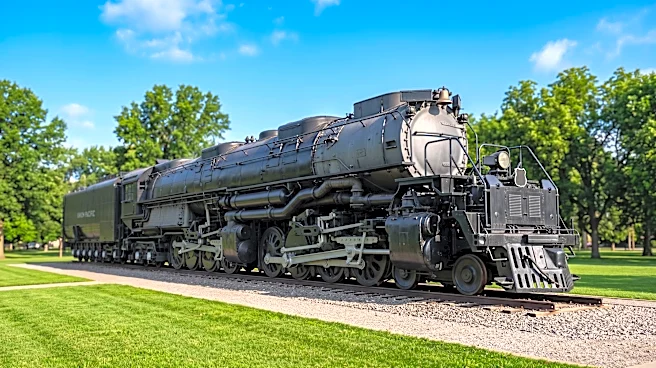
'Ara,' for stopover suggestions during a six-hour drive from Denver to Rapid City, South Dakota. The AI recommended seeing Big Boy No. 4004 in Holliday Park. The visit proved highly successful, with the tourists enjoying the locomotive and other local attractions like the 8-foot-tall cowboy boots and red squirrels. This positive experience has led the tour operator, cruise.co.uk, to consider making Cheyenne an official starting point for future 'Wonders of the Wild West' tours, potentially shifting their initial departure from Denver. Visit Cheyenne's efforts in optimizing their online content for AI searches contributed to this outcome.
Why It's Important?
This event highlights the growing influence of artificial intelligence in the travel and tourism industry, demonstrating how AI-powered recommendations can directly impact destination choices and local economies. For Cheyenne, this unexpected AI-driven visit could lead to a significant boost in international tourism, bringing economic benefits through increased hotel stays, dining, and local spending. It also underscores the importance for tourism boards, like Visit Cheyenne and the Wyoming Office of Tourism, to strategically optimize their digital presence for AI search algorithms. As travelers increasingly rely on AI for planning, destinations that effectively engage with these technologies stand to gain a competitive advantage, potentially reshaping traditional travel routes and promoting lesser-known attractions. This shift represents a new frontier in destination marketing, where digital visibility through AI becomes as crucial as traditional advertising.
What's Next?
The tour operator, cruise.co.uk, is currently researching Cheyenne's capacity to accommodate larger groups, indicating a serious consideration of making it a primary tour stop. If Cheyenne becomes an official starting point, it could lead to increased investment in local tourism infrastructure, such as hotels and attractions, to cater to the anticipated influx of international visitors. Other tourism organizations across Wyoming and beyond will likely observe this case study closely, potentially prompting them to re-evaluate and enhance their own AI optimization strategies. The Wyoming Office of Tourism is already actively adapting its content strategy to meet this shift, tracking how 'Travel Wyoming' appears across AI search platforms. This trend suggests a future where AI tools play an even more central role in shaping travel itineraries and influencing tourist flows.
Beyond the Headlines
This incident reveals a deeper transformation in how people discover and interact with destinations, moving beyond traditional search engines to conversational AI. The 'serendipitous' discovery of Cheyenne through AI points to a future where personalized, context-aware recommendations could unlock hidden gems and distribute tourism more broadly, rather than concentrating it in established hotspots. Ethically, it raises questions about the transparency and potential biases of AI algorithms in shaping travel choices, and the responsibility of destination marketers to provide accurate and compelling information. Culturally, it showcases the power of unique local attractions, like the Big Boy locomotive and the cowboy boots, to captivate international audiences, reinforcing the value of preserving and promoting distinct regional identities in an increasingly globalized world. This shift could empower smaller towns and regions to compete more effectively for tourist attention.