

What's Happening?
Brooks has partnered with American contemporary clothing and streetwear brand Bare Knuckles to release a limited-edition, hand-finished version of its Cascadia 1 sneaker. This collaboration transforms the trail runner, which was re-released as a lifestyle
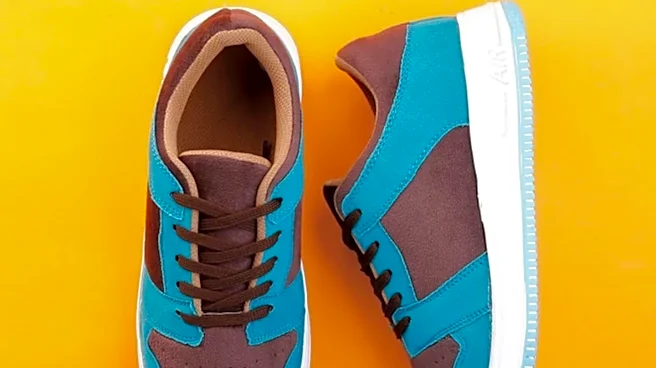
sneaker in 2025, into a refined, style-focused variant. The Bare Knuckles x Cascadia 1 features a full natural suede upper that has undergone a heavy potassium and enzyme wash, followed by hand-brushing at the brand's factory, ensuring each pair has a unique fade and wear pattern. The design also incorporates textured hairy suede overlays and custom Bare Knuckles star motif debossing. Co-branding is subtly integrated throughout the sneaker, appearing on the insoles and lace tips, with custom packaging completing the artisanal presentation. Technical features from the original Cascadia 1, such as a reinforced toe, HydroFlow cushioning with updated midsole foam, a Ballistic Rock Shield, and a heavy-duty lugged outsole, are retained, offering both style and functionality. The 'Hot Fudge Suede' colorway comes with three lace options: brown, yellow, and white. The sneaker debuted recently, and at the time of writing, only a limited number of sizes from the 4-15 run remain available.
Why It's Important?
This collaboration signifies a growing trend in the U.S. footwear market where performance-oriented brands are increasingly partnering with fashion and streetwear labels to elevate their products into the lifestyle segment. For Brooks, a brand traditionally known for its running shoes, this partnership with Bare Knuckles allows it to tap into a new consumer base interested in artisanal craftsmanship and unique fashion statements, expanding its market reach beyond athletic performance. The limited-edition nature and hand-finished details of the Cascadia 1 create exclusivity, driving demand and potentially increasing brand desirability among fashion-conscious consumers. This strategy can lead to higher profit margins and enhanced brand perception, positioning Brooks as a player in both the athletic and lifestyle footwear categories. For consumers, it offers a blend of established comfort and durability with unique aesthetic appeal, catering to those who value both form and function in their footwear. The rapid sell-out of sizes indicates strong consumer interest in such hybrid products.
What's Next?
Given the rapid sell-out of the initial release, it is likely that Brooks and Bare Knuckles may consider future collaborations or similar limited-edition drops to capitalize on the demonstrated market demand. Other footwear brands might observe the success of this partnership and explore similar ventures with fashion labels to diversify their product offerings and appeal to a broader audience. The trend of transforming performance footwear into lifestyle items through design collaborations is expected to continue, influencing product development and marketing strategies across the industry. Consumers can anticipate more unique and exclusive sneaker releases that blend athletic technology with high-end fashion elements. The success of this model could also encourage other American clothing and streetwear brands to seek partnerships with established footwear manufacturers, fostering a dynamic and innovative market for specialized apparel and accessories.
Beyond the Headlines
The collaboration between Brooks and Bare Knuckles highlights a broader cultural shift in consumer preferences, where authenticity, craftsmanship, and unique storytelling are increasingly valued. In an era of mass production, hand-finished items and limited-edition releases offer a sense of individuality and exclusivity that resonates with consumers seeking to differentiate themselves. This trend also blurs the lines between athletic wear and high fashion, reflecting a more casual yet curated approach to personal style. Ethically, such collaborations can support smaller, artisanal brands like Bare Knuckles, providing them with a platform to reach a wider audience and maintain traditional craftsmanship. Environmentally, the emphasis on unique, durable items could subtly counter fast fashion by encouraging consumers to invest in fewer, higher-quality pieces. This partnership exemplifies how brands can leverage heritage and innovation to create products that are not just functional but also culturally significant, influencing long-term trends in fashion and consumer behavior.