


What's Happening?
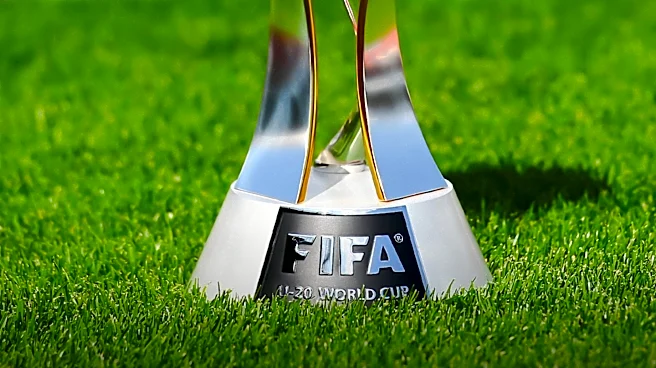
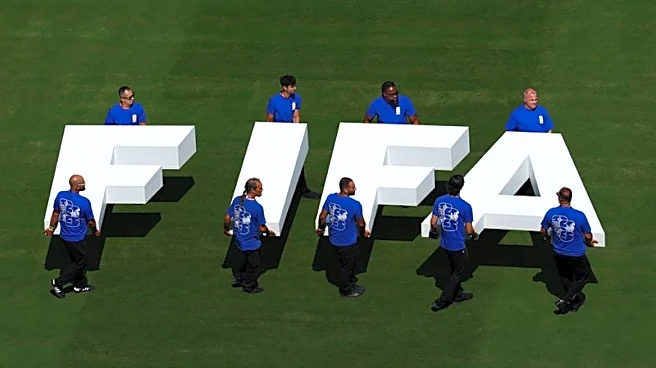
FIFA, the global governing body of soccer, is facing significant opposition from UEFA, the European soccer confederation, over its plan to sell a minority stake in the World Cup to private investors. Despite representing only 55 of FIFA's 211 member associations,
UEFA wields considerable economic power due to its control over lucrative competitions like the Champions League. This economic strength allows UEFA to challenge FIFA's proposals, particularly those affecting the commercial structure of the sport. The current dispute highlights the complex balance of power between FIFA's global governance and UEFA's economic influence.
Why It's Important?
The conflict between FIFA and UEFA underscores the tension between global governance and regional economic interests in international soccer. UEFA's ability to generate substantial commercial revenue gives it significant leverage in negotiations with FIFA, potentially influencing the future direction of the sport. The outcome of this dispute could lead to changes in how international soccer is governed, with implications for the distribution of commercial revenues and the management of major competitions. This situation also raises questions about the role of private investment in sports governance and the potential impact on the integrity of the game.