
What's Happening?
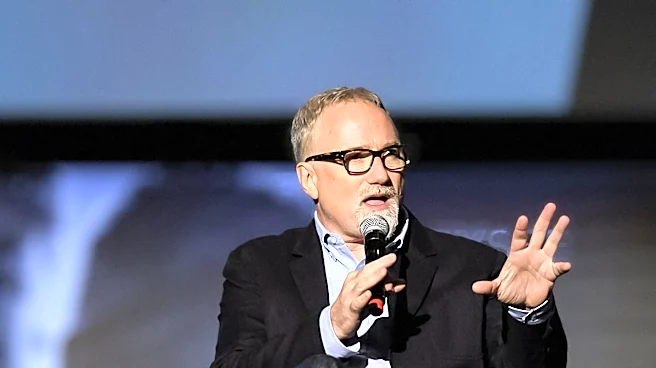
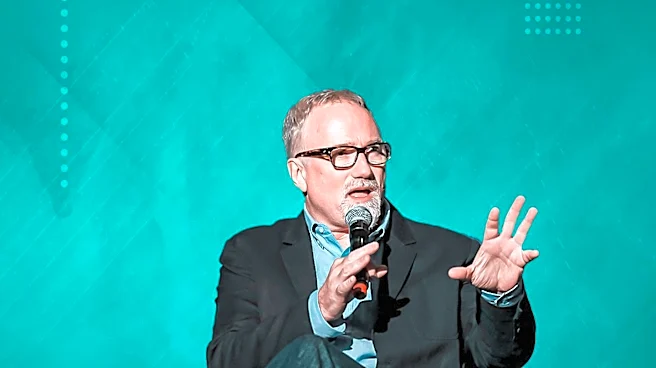
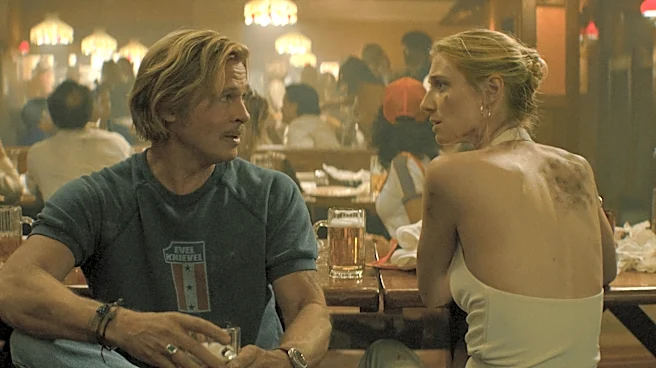
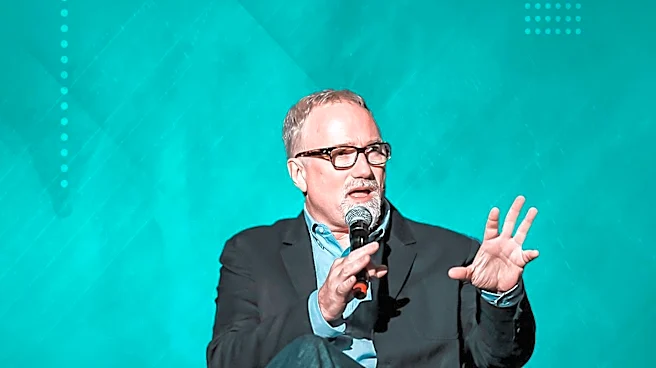
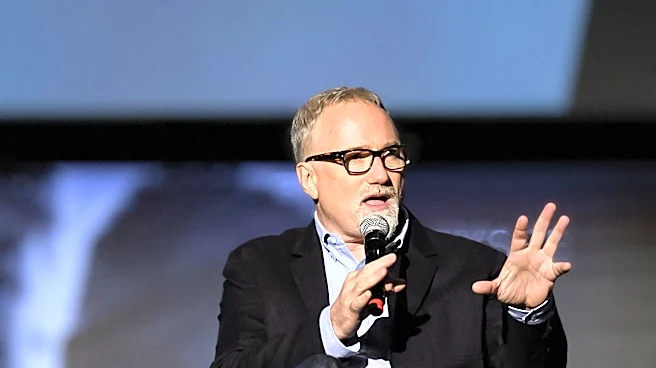
Early screenings of David Fincher's latest film, 'The Further Mis-Adventures of Cliff Booth,' have ignited a debate among viewers and critics regarding the potential use of generative AI in its production. Many attendees have reported 'uncanny' and 'inconsistent
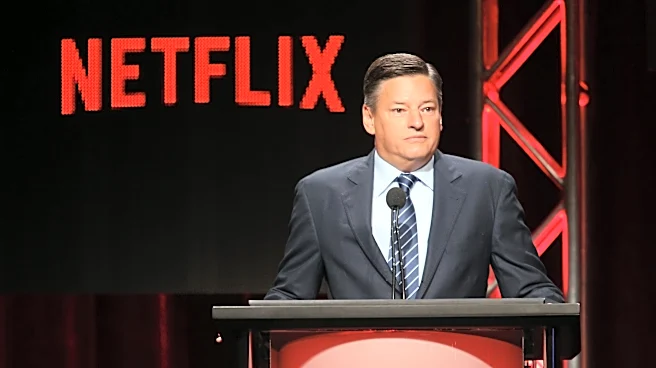
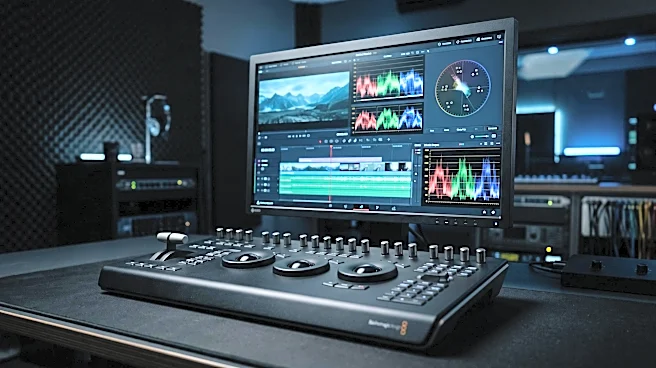
visuals,' leading to accusations that the film exhibits 'blatant and egregious AI use.' This speculation is fueled by Netflix's recent acquisition of InterPositive, an AI startup specializing in generating assets based on captured footage to tweak lighting or remove background elements, and Fincher's own public statements expressing openness to AI technology. While Netflix has not confirmed or denied the use of AI in the film, the company's significant investment in AI and its heavy involvement in the production have heightened suspicions. Some critics, however, suggest that the perceived issues might simply be a result of poor CGI rather than AI.
Why It's Important?
The controversy surrounding Fincher's film highlights a growing tension within the U.S. entertainment industry regarding the adoption of AI. If confirmed, the perceived visual inconsistencies could damage the reputations of both David Fincher, known for his meticulous attention to detail, and Netflix, which is heavily investing in AI for content creation. This incident could fuel broader public skepticism and resistance towards AI-generated content in mainstream cinema, potentially impacting audience reception and box office performance for future films employing such technologies. It also underscores the ongoing debate about the ethical implications of AI in creative fields, particularly concerning artistic integrity and the potential for AI to detract from the human element of filmmaking. The outcome of this discussion could influence how studios and directors approach AI integration in their projects moving forward.
What's Next?
As 'The Further Mis-Adventures of Cliff Booth' approaches its wider release, public scrutiny over its visual quality and potential AI involvement is expected to intensify. Netflix may face increased pressure to clarify its use of AI in its productions, especially given its acquisition of InterPositive. The discourse around AI in filmmaking will likely continue to evolve, with more filmmakers and studios either embracing or publicly distancing themselves from generative AI tools based on audience and critical reception. This situation could also prompt industry-wide discussions on transparency regarding AI usage in film credits and marketing. Future developments may include the establishment of industry standards or guidelines for AI integration to address concerns about quality, ethics, and artistic authenticity.
Beyond the Headlines
This controversy extends beyond mere technical implementation, touching upon the very definition of cinematic artistry and the audience's trust in the creative process. The 'uncanny valley' effect, often associated with AI-generated visuals, poses a significant challenge to audience immersion and emotional connection. If viewers perceive a film as being 'slop' due to AI, it could lead to a broader devaluation of cinematic experiences that rely heavily on such technology. This situation also reflects a larger societal anxiety about AI's role in creative industries, raising questions about job displacement for artists and technicians, and the potential for a homogenized aesthetic if AI models become too prevalent. The debate around Fincher's film could serve as a critical turning point, forcing Hollywood to confront how it balances technological innovation with artistic integrity and audience expectations.