






What's Happening?
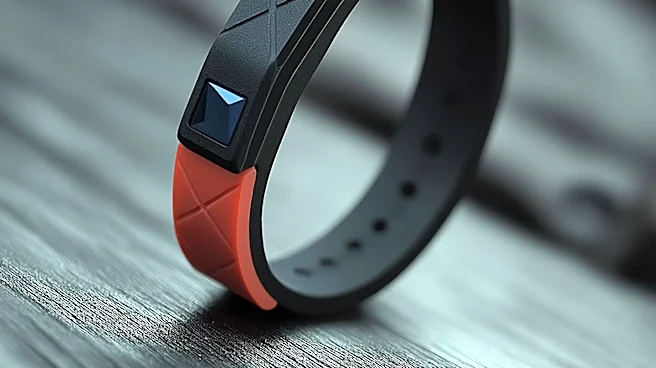
Hume has launched the Pod 2.0, a clinical-grade compositional analyzer, and the Hume Band 2.0, designed to provide a continuous 24/7 metabolic feedback loop. The Pod 2.0 is an upgrade from standard scales, utilizing segmental bioimpedance across eight
tactile contact points and a retractable hand bar to measure arms, legs, and torso independently. It tracks over 45 biometric data points, including visceral fat, skeletal muscle mass, intracellular/extracellular water ratios, bone mass, basal metabolic rate, and muscle balance. Key hardware improvements in the Pod 2.0 include direct-contact electrode integration for instant, repeatable readings, enhanced dry-skin optimization, and targeted symmetry tracking. When paired with the slimmer Band 2.0, the system offers an integrated Metabolic Score, continuous autonomic recovery, and Heart Rate Variability (HRV) tracking, translating complex data into actionable insights for users. This integrated approach aims to shift focus from arbitrary 'vanity numbers' to functional strength, longevity, and daily vitality, emphasizing the critical role of muscle maintenance as individuals age.
Why It's Important?
This development is significant for the U.S. health and wellness technology market, as it introduces a sophisticated, integrated system for personal longevity and metabolic monitoring. The Hume Pod 2.0 and Band 2.0 offer consumers a more precise and comprehensive understanding of their body composition and physiological responses than traditional methods. This can empower individuals to make more informed decisions about their nutrition, exercise, and recovery, potentially leading to improved long-term health outcomes and a proactive approach to age-related muscle loss (sarcopenia). For the wellness industry, this technology sets a new standard for personal health tracking, pushing competitors to innovate in areas like continuous metabolic feedback and detailed body composition analysis. The emphasis on actionable data over simple weight fluctuations could also influence how health and fitness programs are designed and marketed, shifting towards more personalized and data-driven interventions. Furthermore, the FSA/HSA eligibility of the system makes advanced wellness technology more accessible to a broader segment of the population, potentially increasing adoption rates and driving growth in the health tech sector.
What's Next?
The introduction of the Hume Pod 2.0 and Band 2.0 is likely to spur increased competition and innovation within the personal health and wellness technology sector. Other companies may respond by developing similar integrated systems or enhancing their existing offerings to provide more comprehensive metabolic and body composition analysis. Consumers can expect to see a growing trend towards devices that offer continuous, actionable biometric feedback, moving beyond basic step counting or heart rate monitoring. The focus on longevity and functional strength suggests a shift in consumer demand towards health solutions that support long-term well-being rather than short-term aesthetic goals. Additionally, the eligibility of such devices for Flexible Spending Accounts (FSA) and Health Savings Accounts (HSA) could lead to more health tech products seeking similar qualifications, making advanced wellness tools more financially accessible. This could also encourage healthcare providers and wellness coaches to integrate such data into personalized health plans, further bridging the gap between consumer-grade wearables and clinical health management.
Beyond the Headlines
The emergence of advanced wellness pods and integrated tracking systems like the Hume Pod 2.0 and Band 2.0 points to a broader societal shift towards proactive health management and personalized longevity. This technology raises ethical considerations regarding data privacy and security, as highly personal biometric information is continuously collected and analyzed. The reliance on such detailed data could also create new forms of health anxiety or pressure for individuals to constantly optimize their physiological metrics. Culturally, these devices may further embed the idea of the 'quantified self,' where personal identity and well-being are increasingly defined by measurable data points. Long-term, the widespread adoption of these technologies could lead to a redefinition of what constitutes 'health' and 'wellness,' moving towards a more data-driven and technologically mediated understanding. It also highlights the growing intersection of technology, healthcare, and consumer lifestyle, potentially influencing public policy around health data regulation and the integration of personal health tech into broader healthcare systems.