



What's Happening?
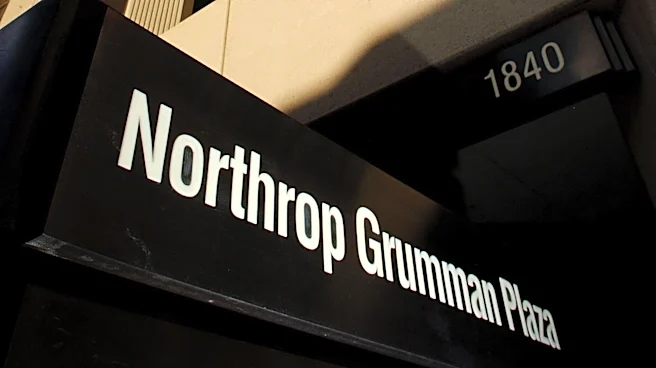
Northrop Grumman Corp. (NOC) provided earnings guidance for 2026, projecting $27.40 to $27.90 per share. Despite this guidance, the stock closed at $724.38 at the end of February. An analysis suggests that the stock's current valuation may not fully account
for the impending conclusion of a significant 'factory bill' in 2028. This 'factory bill' likely refers to a major financial obligation or a large-scale project that has been contributing to the company's revenue or expenses, and its cessation could impact future financial performance. The article implies a potential disconnect between the market's perception of Northrop Grumman's future and the underlying financial realities related to this upcoming change.
Why It's Important?
This analysis is important for investors and stakeholders in the U.S. defense industry, as it highlights potential risks associated with Northrop Grumman's stock valuation. The conclusion of a major financial commitment or project, referred to as the 'factory bill,' in 2028 could significantly alter the company's revenue streams or cost structure. If the stock market has not adequately factored this into the current share price, investors could face unexpected adjustments. This situation underscores the need for thorough due diligence in evaluating defense contractors, whose financial health is often tied to long-term government contracts and project cycles. Any significant shift in these cycles can have ripple effects on stock performance, investor confidence, and the broader financial stability of the defense sector, impacting retirement funds and institutional investments.
What's Next?
Investors and analysts will likely scrutinize Northrop Grumman's future financial disclosures for more details regarding the 'factory bill' ending in 2028 and its projected impact on earnings and revenue. The company may need to provide clearer guidance on how it plans to mitigate any potential financial gaps or leverage new opportunities to maintain growth post-2028. Market reactions will depend on the transparency and effectiveness of Northrop Grumman's strategic planning. This situation could also prompt broader discussions within the defense industry about the long-term financial sustainability of major projects and the need for continuous innovation and diversification to ensure stable revenue streams beyond existing contracts. Shareholders will be looking for reassurance that the company has a robust plan to navigate this transition.
Beyond the Headlines
The 'factory bill' scenario for Northrop Grumman could symbolize a larger trend within the defense industry, where major, long-term government contracts eventually conclude, necessitating a constant pipeline of new projects and technological advancements. This dynamic drives continuous innovation and competition among defense contractors. The market's potential oversight of this future financial event highlights the complexities of valuing companies with extensive government ties and long project timelines. It also raises questions about the efficiency of information dissemination and analysis within financial markets, especially concerning specialized sectors like defense. Ultimately, the ability of companies like Northrop Grumman to adapt to changing contract landscapes and secure new, significant projects will be crucial for their sustained success and for maintaining the U.S.'s technological edge in defense.