




What's Happening?
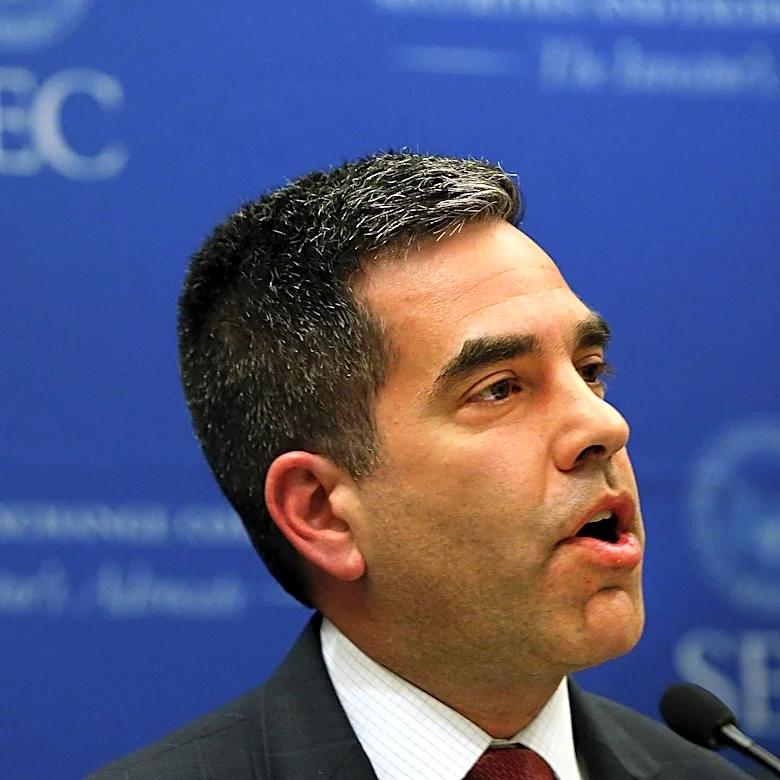
Citigroup's wealth chief, Andy Sieg, announced that the bank is focusing on organic growth to attract $5 trillion in client wealth currently held by rival firms. Sieg explicitly stated that major acquisitions are not part of this strategy, reinforcing
Chief Executive Officer Jane Fraser's clear directive for an exclusively organic growth approach over the past six months. This decision follows earlier reports that Citigroup's executives were considering purchasing a major regional bank to boost deposits. Currently, Citigroup manages approximately $1.4 trillion in client balances, placing its wealth division behind competitors like Morgan Stanley and JPMorgan Chase & Co. Sieg emphasized that the bank has significantly simplified its business over the last five years and believes its current footprint and booking centers are appropriate for its growth objectives. The bank aims to leverage its investment banking division and retail presence in the U.S., Hong Kong, and Singapore to deepen client relationships and attract new assets. In the third quarter, Citigroup achieved a record $38 billion in net new investment assets globally, with expectations to maintain high single-digit organic growth in new flows.
Why It's Important?
Citigroup's strategic pivot to organic growth in its wealth management division signals a significant shift in its competitive approach within the U.S. financial sector. By ruling out major acquisitions, Citigroup is committing to a more focused, internal development model, which could lead to more efficient resource allocation and a stronger emphasis on client service and product innovation. This strategy aims to close the gap with larger wealth management players like Morgan Stanley and JPMorgan Chase without the complexities and integration challenges associated with large-scale mergers. The pursuit of $5 trillion in client wealth from competitors indicates an aggressive push to capture market share, potentially intensifying competition among wealth management firms. Success in this organic growth strategy could significantly boost Citigroup's overall profitability and market standing, while failure might leave it further behind its rivals. The focus on leveraging existing investment banking and retail networks suggests an integrated approach to client engagement, aiming to maximize cross-selling opportunities and deepen client relationships across different banking services.
What's Next?
Citigroup plans to continue its strategy of organic growth by leveraging its investment bank through 'partnership awards' designed to encourage collaboration between its investment banking and wealth management divisions. These awards were first distributed this year, indicating an ongoing commitment to this internal synergy. The bank also intends to utilize its retail footprint in key markets like the U.S., Hong Kong, and Singapore to enhance relationships with affluent clients. In Asia, one of its fastest-growing regions, Citigroup expects to maintain steady growth in its banker headcount. The bank is also exploring technological advancements, with an AI-powered avatar named Citi Sky currently in pilot in the U.S. and slated for future rollout in Asia, aiming to improve services and adviser productivity. Citigroup's wealth chief does not foresee AI leading to a reduction in wealth adviser hiring, instead viewing it as a tool to enhance efficiency. The bank will continue to advise clients on investment strategies, recommending large-cap, high-quality equity holdings, short fixed-income duration, and increased gold allocation in portfolios.
Beyond the Headlines
Citigroup's decision to forgo major acquisitions in favor of organic growth in its wealth management sector reflects a broader industry trend towards internal optimization and client-centric strategies. This approach could lead to a more sustainable growth model, reducing the risks associated with integrating disparate corporate cultures and technological systems that often accompany large mergers. The emphasis on leveraging existing internal capabilities, such as its investment bank and retail network, suggests a move towards a more cohesive and integrated service offering for clients. This could enhance client loyalty and provide a more seamless banking experience, potentially setting a new standard for how large financial institutions compete for high-net-worth individuals. Furthermore, the bank's embrace of AI tools like Citi Sky highlights a commitment to technological innovation, aiming to augment human advisers rather than replace them, which could redefine the role of wealth managers in the digital age. This strategy also implicitly acknowledges the challenges of scaling through acquisition, opting instead for a more controlled and potentially more profitable expansion path.