





What's Happening?
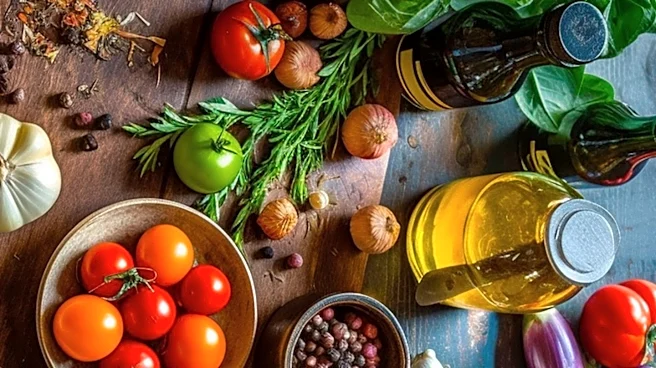
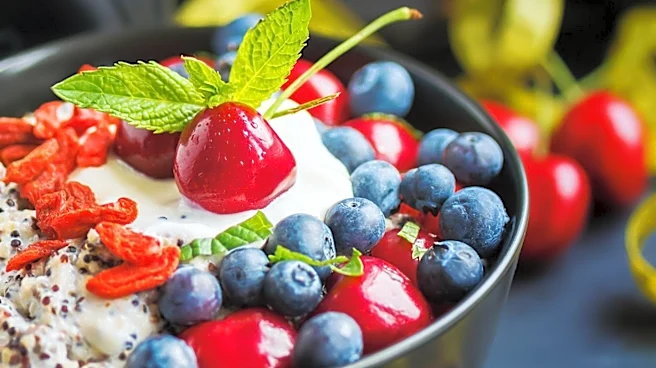
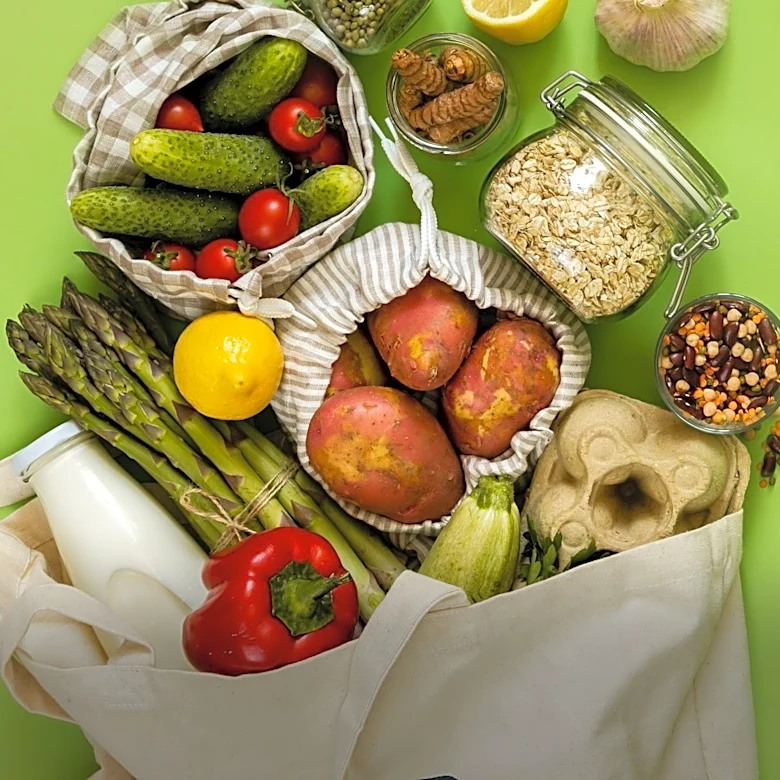
The concept of 'clean eating,' which emphasizes consuming foods from scratch, organic ingredients, healthy fats, and whole grains while avoiding processed or refined foods, is gaining attention. While often associated with health benefits, this trend
can sometimes lead to an unhealthy obsession with food purity, a condition known as orthorexia. Orthorexia is not an official psychiatric diagnosis but is increasingly recognized as a troubling behavior characterized by strict diets, the elimination of entire food groups, and anxiety about diseases or food purity. The term was coined in the late 1990s by physician Stephen Bratman, who observed patients fixated on 'healthy' or 'clean' eating. Some research suggests that orthorexia, while seemingly distinct from other eating disorders like anorexia due to its focus on food purity rather than weight gain, may in fact mask more traditional eating disorder symptoms, as individuals with orthorexia often prioritize weight loss.
Why It's Important?
The rise of 'clean eating' and its potential link to orthorexia highlights a significant public health concern in the U.S. While promoting healthy food choices is beneficial, the extreme adherence to 'clean eating' principles can lead to serious psychological and physical health issues. Individuals may develop anxiety, nutritional deficiencies due to restrictive diets, and a distorted relationship with food. This trend can be particularly impactful on vulnerable populations, including adolescents and young adults, who are often influenced by social media portrayals of 'healthy' lifestyles. The increasing recognition of orthorexia as a troubling behavior underscores the need for greater awareness among healthcare professionals, educators, and the public about the fine line between healthy eating and disordered eating patterns. The focus on 'purity' can also create a sense of moral superiority or judgment around food, impacting social interactions and mental well-being.
What's Next?
Addressing the potential negative consequences of the 'clean eating' trend will likely involve a multi-faceted approach. Healthcare providers, including therapists, nutritionists, and physicians, are expected to collaborate on treatment plans for individuals struggling with orthorexia, which may include medical interventions, psychological therapy to address distorted beliefs, and gradual reintroduction of previously feared foods. Educational initiatives are anticipated to inform the public about accurate nutritional information and the development of healthy meal plans, moving away from potentially misleading or extreme interpretations of 'clean eating.' There may also be a push to promote intuitive eating and foster a healthy relationship with food, rather than focusing solely on restrictive diets. Further research into the role of social media in promoting excessive fixation on 'clean eating' is also likely, to identify vulnerable populations and develop targeted interventions.
Beyond the Headlines
The 'clean eating' phenomenon extends beyond individual dietary choices, reflecting broader societal anxieties about health, control, and purity. In a culture saturated with information and often conflicting advice about nutrition, the appeal of a seemingly straightforward approach like 'clean eating' can be powerful. However, this can inadvertently foster a moralistic view of food, where certain foods are deemed 'good' and others 'bad,' leading to guilt and shame. The emphasis on 'purity' can also be seen as a response to concerns about industrial food production and environmental impact, but when taken to an extreme, it can become counterproductive to overall well-being. This trend also highlights the ethical responsibility of social media platforms and influencers to promote balanced and evidence-based nutritional information, as the visual and aspirational nature of these platforms can exacerbate tendencies towards orthorexia. The long-term societal impact could include a generation with increased rates of disordered eating and a complex relationship with food.