






What's Happening?
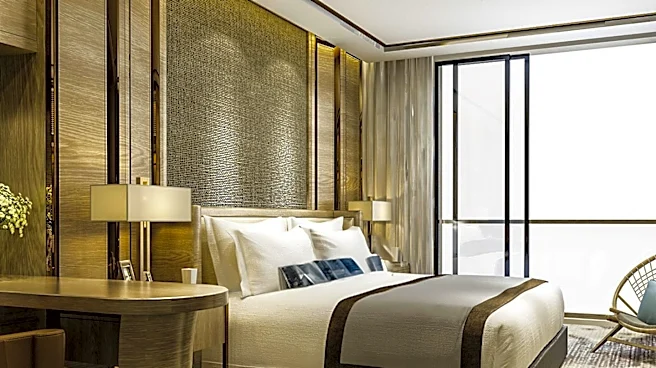
Luxury hotels in California are increasingly investing in and upgrading their rooms to offer high-end 'wellness suites,' catering to a growing demand for holistic guest experiences. Properties like the Four Seasons Hotel Los Angeles at Beverly Hills have
dedicated entire floors to wellness, featuring amenities such as hypoallergenic hardwood flooring, water-purification systems, and circadian rhythm-adapting lighting, alongside yoga mats and blocks. The Santa Monica Proper Hotel has also upgraded several rooms with features like temperature-controlled Eight Sleep mattresses and exclusive access to a 'Proper Club' with cold plunges and saunas. This trend extends beyond California, with hotels like Boston's Dagny offering Peloton bikes in wellness rooms and JW Marriott introducing 'Mindful Rooms & Suites' globally, equipped with yoga accessories, massage guns, and crystal singing bowls. These initiatives reflect a broader industry shift where well-being is becoming a core component of the guest experience, rather than just an added amenity.
Why It's Important?
This trend is highly significant for the U.S. hospitality industry, as it indicates a fundamental shift in consumer expectations and luxury travel. Guests are no longer just seeking comfortable accommodations but are actively looking for environments that support their physical and mental well-being. This creates a new competitive landscape where hotels must differentiate themselves by offering comprehensive wellness infrastructure and personalized experiences. The high price points of these wellness suites, ranging from $750 to over $1,000 per night, demonstrate a willingness among affluent consumers to pay a premium for these specialized offerings. This could lead to increased revenue streams for hotels and drive innovation in room design, technology integration, and service offerings focused on health, fitness, and relaxation. It also highlights the growing influence of the wellness industry on mainstream sectors, impacting how luxury services are conceived and delivered.
What's Next?
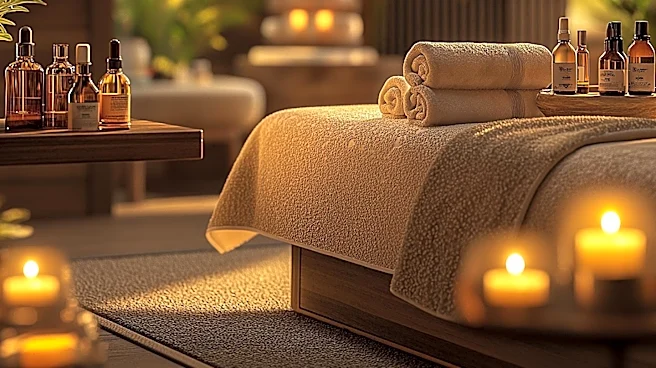
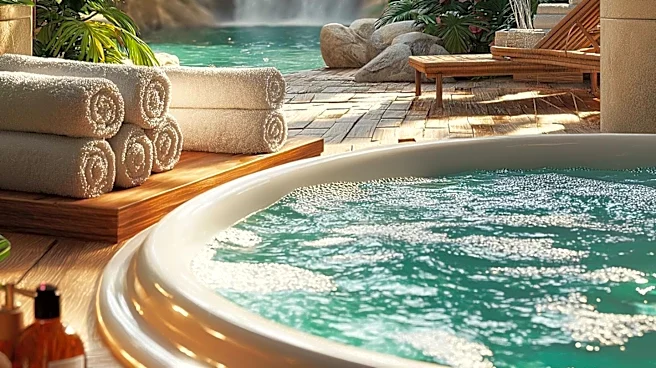
The proliferation of luxury wellness suites suggests that this trend will continue to expand across the U.S. hospitality market. Hotels are likely to further integrate advanced wellness technologies, personalized fitness equipment, and specialized services into their offerings. We can expect to see more properties dedicating significant space to wellness facilities, including spas, hydrotherapy experiences, and diverse sports amenities, as exemplified by the upcoming Lake Tahoe Proper. This will likely lead to increased partnerships between hotels and wellness brands, fitness experts, and technology providers. Consumers can anticipate a wider array of options for maintaining their health and wellness routines while traveling, making 'wellness-oriented room categories' a standard expectation in the luxury segment. The focus will be on creating immersive and restorative environments that cater to the holistic needs of guests.
Beyond the Headlines
The rise of luxury wellness suites reflects a deeper societal shift towards prioritizing personal well-being and self-care, even during travel. This trend underscores a growing awareness of the impact of environment on health and a desire for continuous self-improvement. Ethically, it raises questions about accessibility, as these high-priced offerings cater to an elite segment, potentially widening the gap in wellness access. Culturally, it signifies a move away from travel as mere indulgence towards travel as a means of personal growth and rejuvenation. This could influence urban planning and architectural design, with a greater emphasis on creating spaces that promote health and tranquility. Ultimately, it suggests a future where the built environment, particularly in hospitality, is increasingly designed to support and enhance human well-being in a comprehensive manner.