







What's Happening?
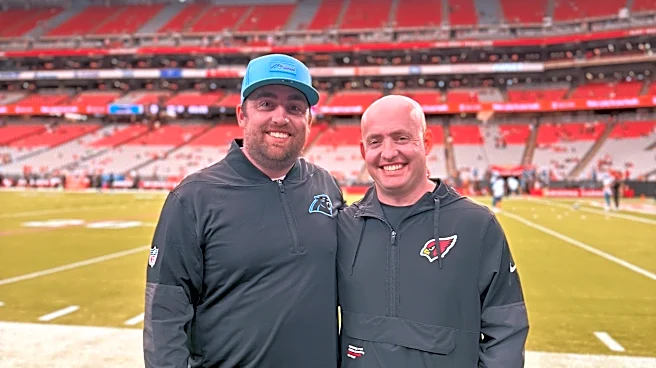
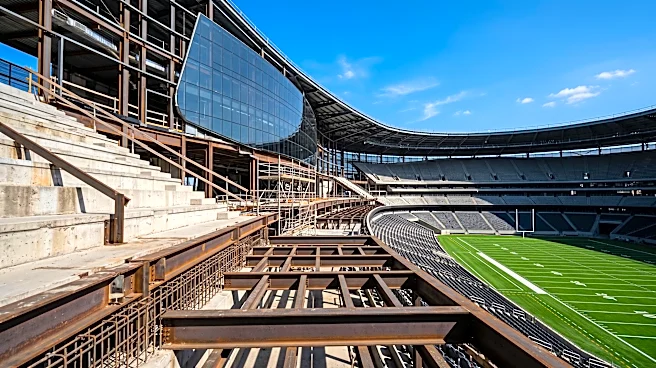
David Tepper, owner of the NFL's Carolina Panthers and MLS's Charlotte FC, is spearheading a significant $1.3 billion renovation project for the Bank of America Stadium in Charlotte. This initiative aims to modernize the stadium, which serves as the home
for both of his sports teams. The renovation is designed to enhance the venue's capabilities and appeal, with a strategic goal of attracting high-profile events such as the Super Bowl and the 2031 Women's World Cup to Charlotte. Additionally, the project will include the construction of a 4,400-seat concert venue, a decision influenced by feedback from fans who expressed a desire for more entertainment options when traveling from nearby cities like Raleigh and Charleston. Tepper acquired the Panthers for $2.3 billion in 2018 and subsequently paid $325 million for an MLS expansion slot, leading to the creation of Charlotte FC. His net worth is reported to be $28.5 billion, with an annual increase of 20.3%, primarily derived from hedge funds, specifically Appaloosa Management, which he founded in 1993.
Why It's Important?
This substantial investment by David Tepper in the Bank of America Stadium holds significant economic and social implications for Charlotte and the surrounding region. The modernization of the stadium and the addition of a concert venue are expected to boost local tourism and hospitality sectors by drawing major sporting events and entertainment acts. Securing events like the Super Bowl and the Women's World Cup would generate considerable revenue, create temporary and permanent job opportunities, and enhance Charlotte's national and international profile as a premier destination for large-scale events. The inclusion of a dedicated concert space also addresses a demand for diverse entertainment, potentially increasing visitor traffic and local spending. This project reflects a broader trend of sports team owners investing in infrastructure to maximize asset value and community engagement, demonstrating how private capital can drive public-facing urban development and economic growth. The initiative also highlights the increasing convergence of sports and entertainment industries, with venues designed to host a wider array of events beyond traditional sports.
What's Next?
The $1.3 billion renovation of the Bank of America Stadium is currently underway, with the goal of transforming the venue into a multi-purpose entertainment hub. The immediate next steps involve the continued planning and execution of the construction phases, including the development of the 4,400-seat concert space. Following the completion of the renovations, the focus will shift to actively bidding for and securing major events like the Super Bowl and the 2031 Women's World Cup. The success of these bids will depend on the stadium's enhanced facilities and Charlotte's overall appeal as a host city. Additionally, the new concert venue will begin to schedule and host musical acts, aiming to attract audiences from across the region. The long-term success of this project will be measured by its ability to consistently draw high-profile events and generate sustained economic benefits for Charlotte, as well as its impact on fan engagement for the Carolina Panthers and Charlotte FC.
Beyond the Headlines
The Bank of America Stadium renovation project, led by David Tepper, extends beyond mere infrastructure upgrades; it represents a strategic vision for urban revitalization and regional economic development. By investing heavily in a central civic asset, Tepper is not only enhancing the value of his sports franchises but also positioning Charlotte as a competitive player in the global sports and entertainment market. This move could trigger a ripple effect, encouraging further private and public investments in the city's infrastructure, hospitality, and cultural sectors. The project also underscores the evolving role of sports team owners as significant urban developers and economic catalysts, whose decisions can profoundly shape the future trajectory of a city. The blend of sports and entertainment facilities within a single venue reflects a modern approach to maximizing utility and revenue streams, catering to a broader demographic and ensuring the long-term viability and relevance of large-scale urban venues.