







What's Happening?
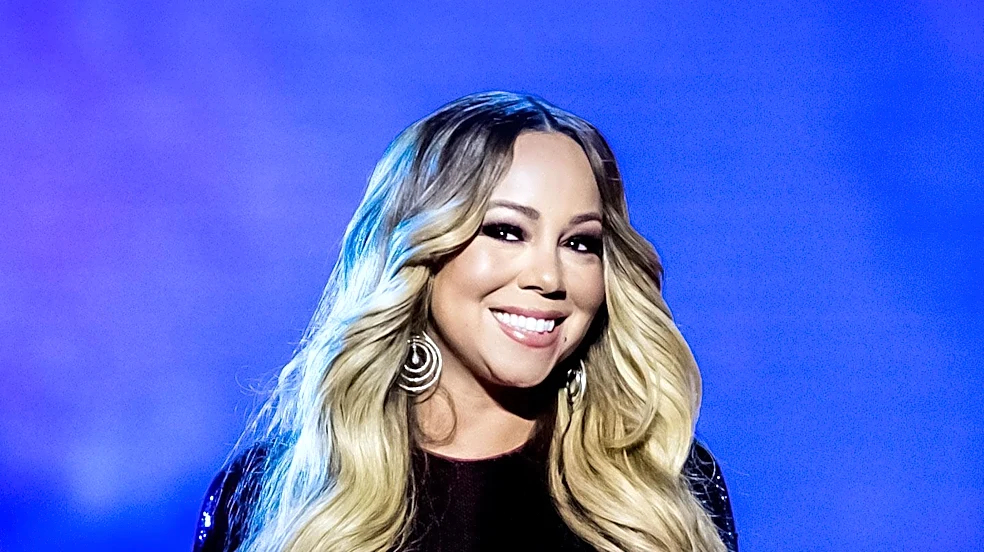
A New York State Supreme Court Justice, Leslie A. Stroth, has dismissed a $20 million defamation lawsuit filed by Morgan Carey, Mariah Carey's brother, against the singer. Morgan Carey had alleged that his sister defamed him in her best-selling memoir,
'The Meaning of Mariah Carey,' which was released in 2020. The court ruled that Morgan Carey failed to provide sufficient evidence to establish that Mariah Carey acted with actual malice when writing the content in her book. The ruling stated that while Morgan Carey alleged ill will, this was not enough to satisfy the pleading requirement for actual malice, which demands proof that statements were made with knowledge of their falsity or with reckless disregard for the truth. Mariah Carey's lawyer, John Rosenberg, expressed that the singer is gratified by the court's decision, recognizing that her memoir addresses significant public interest issues. Conversely, Morgan Carey's lawyer, Richard Altman, indicated an intention to appeal the outcome, citing disagreement with the decision's consistency with prior rulings in the case.
Why It's Important?
This ruling is significant for public figures and authors in the U.S., particularly concerning the legal standards for defamation in memoirs and autobiographical works. The court's emphasis on the 'actual malice' standard, which requires a high bar of proof for public figures to claim defamation, reinforces existing legal precedents. This standard, established in New York law, protects freedom of speech and expression, allowing authors to share their personal experiences and perspectives without undue fear of litigation, provided they do not knowingly publish false information or act with reckless disregard for the truth. The dismissal of this high-profile case could deter similar lawsuits against authors of memoirs, potentially encouraging more candid and comprehensive accounts of personal lives from public figures. It also highlights the challenges individuals face when attempting to prove defamation against public figures, underscoring the robust protections afforded to speech under U.S. law. The outcome could influence how publishers and legal teams advise authors on the content of their memoirs, particularly when discussing family members or other individuals who may feel negatively portrayed.
What's Next?
Morgan Carey's legal team has expressed their intention to appeal the New York State Supreme Court's decision. This means the case could proceed to a higher appellate court, where the arguments regarding the 'actual malice' standard and the sufficiency of evidence will be re-examined. If an appeal is filed, both parties will prepare legal briefs and present their arguments to the appellate judges. The outcome of any appeal could further clarify the legal landscape for defamation claims related to memoirs, potentially setting a precedent for similar cases in the future. Depending on the appellate court's decision, the case could either be definitively closed, or it could be remanded back to the lower court for further proceedings. The legal battle, if continued, will likely remain a point of interest for those following celebrity legal disputes and the broader implications for freedom of expression in published works.
Beyond the Headlines
The dismissal of Morgan Carey's lawsuit against Mariah Carey extends beyond the immediate legal outcome, touching upon broader societal and ethical considerations regarding family narratives and public perception. Memoirs, by their nature, offer a subjective account of an individual's life, often including personal relationships and family dynamics. This case underscores the tension between an individual's right to tell their story and the potential impact on the reputations of others mentioned within that narrative. The legal standard of 'actual malice' serves as a critical safeguard, preventing individuals from being silenced by claims of defamation unless there is clear evidence of intentional falsehood or reckless disregard for the truth. However, it also highlights the emotional and relational complexities that arise when private family matters become public through such publications. The case prompts reflection on the ethical responsibilities of authors when portraying family members, even within the bounds of legal protection, and the lasting effects such public disclosures can have on personal relationships and public image.