





What's Happening?
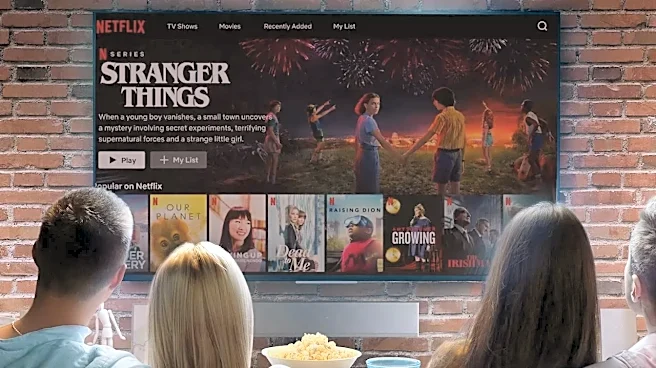
Netflix has implemented a new user interface (UI) update that has significantly altered its 'My List' feature, leading to widespread dissatisfaction among subscribers. Previously, 'My List' served as a curated collection of titles users intended to watch.
However, the update has transformed this into 'My Netflix,' which now aggregates various entries, including titles watched for brief periods or even those never previously viewed by the user. This change has made the feature, which was already considered barely functional by some due to a lack of sorting or filtering options, 'completely unusable' according to user feedback. The new interface also presents content in a side-scrolling ribbon, displaying only five items at a time, further hindering the ability to browse a comprehensive watchlist.
Why It's Important?
This UI update is significant because it directly impacts user experience and engagement with one of the most popular streaming services globally. For a platform with over 5,000 titles, an effective watchlist feature is crucial for user retention and satisfaction. By making 'My List' less intuitive and more cluttered, Netflix risks alienating its subscriber base, potentially leading to cancellations. User frustration, as expressed on social media platforms like Reddit, highlights the importance of user-centric design in digital products. When core features become difficult to navigate, it can diminish the perceived value of the service, especially in a competitive streaming market where subscribers have numerous alternatives. This situation underscores how seemingly minor UI changes can have substantial consequences for customer loyalty and business reputation.
What's Next?
The immediate consequence of this update is continued user backlash and potential subscriber churn if Netflix does not address the concerns. Users are already calling for the company to revert the changes or implement improvements that restore the functionality of the 'My List' feature. The sentiment among some subscribers suggests that this change, while perhaps not a sole reason for cancellation, could be the 'straw that broke the camel's back' for those already contemplating ending their subscriptions due to other issues like price increases or content availability. Netflix will likely monitor user feedback closely to determine whether further adjustments to the 'My Netflix' interface are necessary to mitigate negative sentiment and retain its subscriber base. The situation also highlights a broader trend of users considering a return to physical media for content ownership and curation.
Beyond the Headlines
This incident reflects a broader tension between platform innovation and user expectations in the digital age. Companies often update interfaces to introduce new features or streamline design, but these changes can inadvertently disrupt established user habits and preferences. The shift from a user-curated 'My List' to an algorithmically driven 'My Netflix' also points to the increasing influence of AI and data-driven content recommendations, which, while intended to personalize experiences, can sometimes lead to a loss of user control and agency. The strong negative reaction suggests that users value control over their content organization, and that algorithmic curation, when poorly implemented, can detract from the user experience rather than enhance it. This situation could prompt other streaming services to carefully consider user feedback before rolling out significant UI overhauls.