







What's Happening?
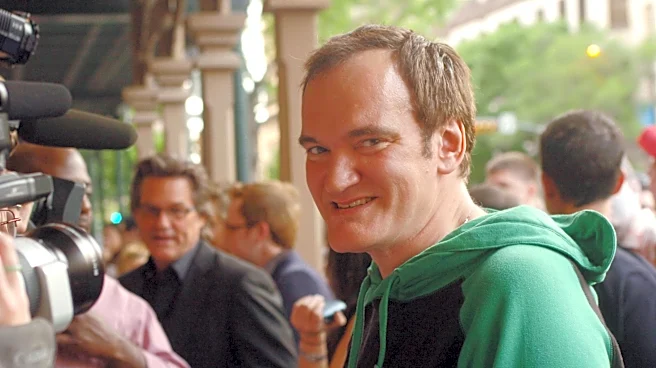
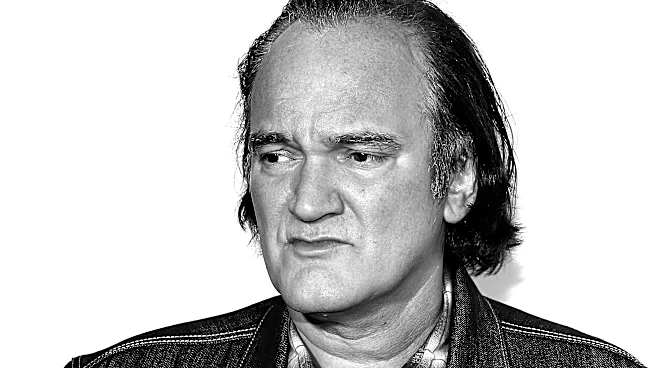
Filmmaker Quentin Tarantino has disclosed details regarding the challenging casting process for his 2009 film 'Inglourious Basterds'. In Jay Glennie’s new book, 'The Making of Quentin Tarantino’s Inglourious Basterds,' Tarantino recounts firing Isabelle
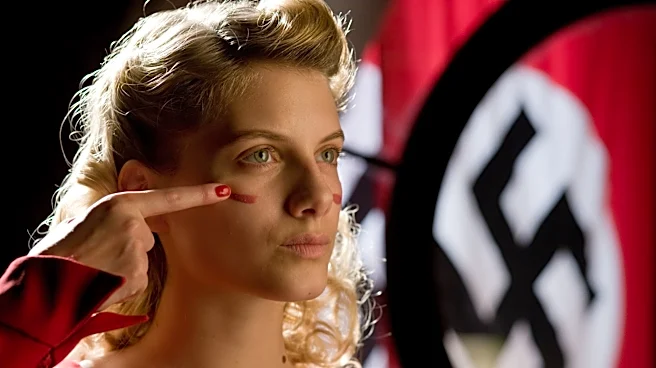
Huppert from the role of Madame Ada Mimieux due to contractual issues and her failure to attend a crucial table read. He emphasized that attendance at table reads is non-negotiable for him, stating that actors who miss them risk losing their parts. Huppert, however, had previously disputed being fired, claiming she never formally committed to the production due to unresolved contractual terms. Tarantino also revealed that he initially dismissed Mélanie Laurent after a poor table read for the role of Shosanna Dreyfus. Laurent, however, demonstrated significant persistence, convincing Tarantino to give her another chance after offering to fly herself back to Germany for further rehearsals, ultimately securing the role.
Why It's Important?
Tarantino's revelations offer a rare glimpse into the often-intense and uncompromising nature of high-stakes film production in Hollywood. His candidness highlights the power dynamics between directors and actors, particularly his firm stance on pre-production commitments like table reads. This perspective underscores the competitive environment within the acting industry, where even established actors like Huppert can be replaced if they do not meet a director's specific demands. Laurent's story, conversely, illustrates the importance of perseverance and self-advocacy for actors striving to secure significant roles. The public nature of these disclosures, nearly two decades after the film's production, also sparks discussion about professional conduct and the ethics of publicly critiquing past collaborators, especially when one party disputes the narrative.
What's Next?
While the events described are historical, Tarantino's continued willingness to share such candid, and at times controversial, behind-the-scenes accounts suggests that similar revelations may emerge from his past or future projects. This approach could further solidify his reputation for brutal honesty within the film industry, potentially influencing how actors and their representatives approach collaborations with him. The book itself, 'The Making of Quentin Tarantino’s Inglourious Basterds,' is likely to generate continued discussion among film enthusiasts and industry professionals, prompting further analysis of Tarantino's directorial methods and casting philosophies. It may also encourage other filmmakers to share their own experiences, contributing to a broader dialogue about the realities of film production.
Beyond the Headlines
Beyond the immediate casting drama, Tarantino's comments touch upon broader themes of artistic control versus professional courtesy. His assertion that he owes his productions the 'best possible performers' rather than loyalty to actors reflects a utilitarian approach to filmmaking, prioritizing the final artistic product above individual relationships. This perspective can be seen as both a strength, ensuring creative vision, and a potential point of contention within a collaborative industry. The discrepancy between Huppert's and Tarantino's accounts also highlights the subjective nature of memory and narrative in high-pressure environments, where different parties may genuinely recall events differently. Furthermore, Tarantino's public disparagement of actors, including a recent comment about Paul Dano, raises questions about the long-term impact of such remarks on actors' careers and public perception, even years after the fact.