






What's Happening?
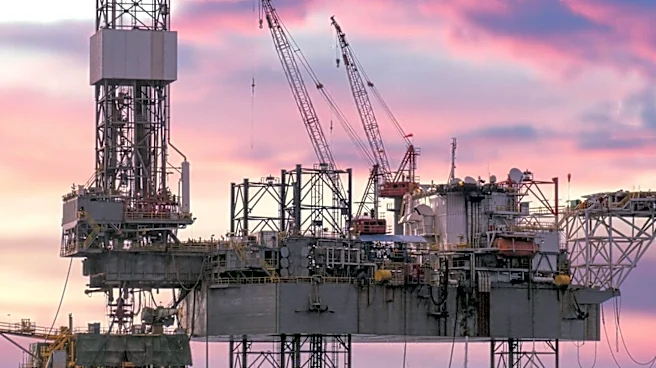
BP has announced a significant increase in its quarterly profits, which more than doubled to $5.73 billion in the three months ending June. This surge is attributed to rising oil and gas prices driven by the ongoing Middle East crisis, which has disrupted
energy exports from the Gulf region. The company's new chief executive, Meg O’Neill, acknowledged the impressive financial results but emphasized the need for further improvements, suggesting potential strategic changes, including a possible exit from the North Sea oil and gas operations. This announcement follows similar profit reports from other major oil companies like Shell and Saudi Aramco, which have also benefited from the current geopolitical tensions.
Why It's Important?
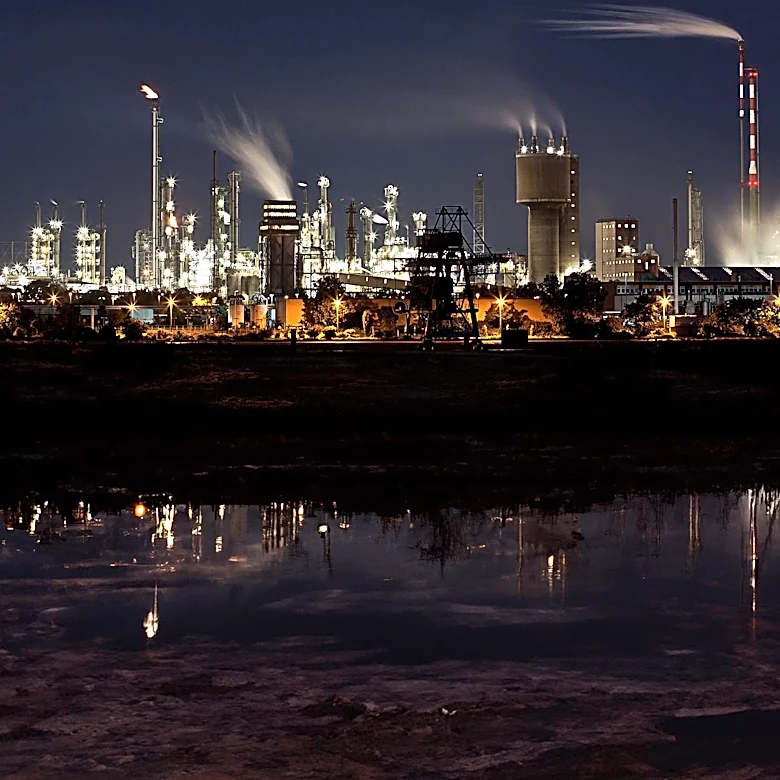
The substantial profits reported by BP and other oil giants highlight the financial gains these companies are experiencing amid global energy market volatility. However, this has sparked criticism as households and businesses face rising energy costs, exacerbated by severe heatwaves linked to climate change. The situation underscores the tension between corporate profitability and public economic strain, with calls for these companies to reinvest their windfall profits into public benefits. The ongoing geopolitical instability in the Middle East continues to influence global oil prices, affecting both the energy sector and consumers worldwide.
What's Next?
BP's strategic direction under Meg O’Neill may involve significant changes, such as withdrawing from the North Sea, which could impact the UK’s domestic energy production. The broader industry may see increased scrutiny and pressure to address the environmental and economic impacts of their operations. Political leaders and environmental groups are likely to continue advocating for more sustainable energy practices and equitable distribution of profits. The ongoing Middle East crisis will remain a critical factor in global energy markets, potentially leading to further fluctuations in oil prices.
Beyond the Headlines
The current situation raises ethical questions about the role of major oil companies in the climate crisis and their responsibility to mitigate its effects. The juxtaposition of record profits against the backdrop of climate-induced disasters highlights the urgent need for a transition to renewable energy sources. This development may accelerate discussions on energy policy reform and corporate accountability in addressing climate change.