



What's Happening?
KLUS LED lighting solutions are designed to shape spaces by influencing emotions and behaviors through the strategic use of light color, intensity, and temperature. The company highlights that different light colors can transform an environment, making
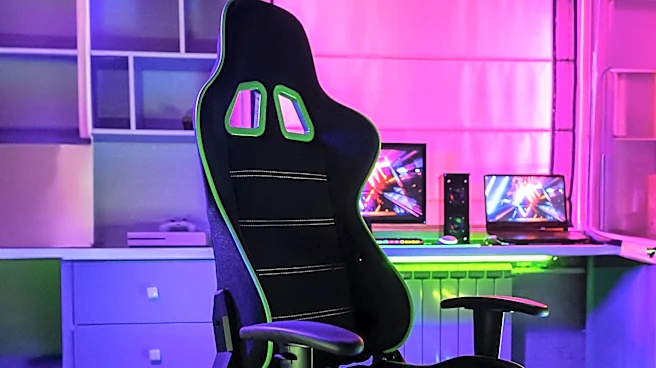
it feel relaxing, energetic, productive, or inspiring. For instance, 'Mood Red' is specifically used to create energy, excitement, and visual impact, particularly in hospitality, entertainment, and decorative applications. KLUS utilizes advanced technologies such as RGB, RGBW, and Tunable White lighting, combined with precision-engineered aluminum extrusions, to integrate light as an architectural element. This approach allows designers to control color, brightness, and temperature to create environments tailored to specific needs.
Why It's Important?
This focus on the psychological impact of light is significant for U.S. industries, particularly in commercial and residential design, hospitality, and retail. By understanding how specific colors influence mood, businesses can strategically design spaces to enhance customer experience, employee productivity, and overall brand perception. For example, a restaurant using amber and orange lighting can create a more inviting atmosphere, while offices might use blue light to support focus. This approach moves beyond basic illumination, offering a competitive edge to businesses that leverage lighting as a tool for emotional engagement and functional optimization. It also drives demand for sophisticated LED lighting systems capable of precise color and intensity control, impacting manufacturers and lighting designers.
What's Next?
The trend towards psychologically informed lighting design is likely to expand, leading to increased adoption of advanced LED systems in various sectors. We can expect more designers and architects to incorporate color psychology into their projects, demanding more versatile and intelligent lighting solutions. This could also spur further research into the effects of light on human well-being, potentially leading to new standards or recommendations for lighting in different environments. Manufacturers like KLUS will likely continue to innovate, offering more nuanced control over light parameters and integrating these systems with smart building technologies for dynamic, adaptive environments.
Beyond the Headlines
The deeper implication of KLUS's approach is the recognition of light as a powerful, non-verbal communication tool that profoundly affects human experience. Beyond its functional role, light shapes our emotional landscape, influencing everything from consumer behavior to personal comfort. This understanding can lead to more human-centric design principles, where spaces are not just visually appealing but also emotionally resonant. It raises ethical considerations about manipulating mood through environmental design and highlights the potential for light to be used therapeutically or to enhance cognitive functions. This shift could ultimately lead to a more thoughtful and intentional approach to lighting in all aspects of our built environment, moving towards spaces that are not only aesthetically pleasing but also supportive of human well-being.