


What's Happening?
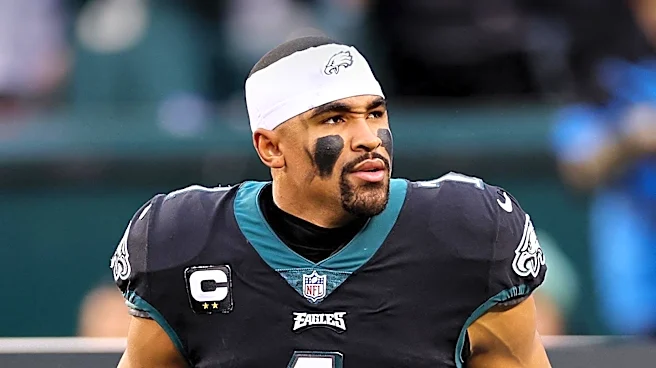
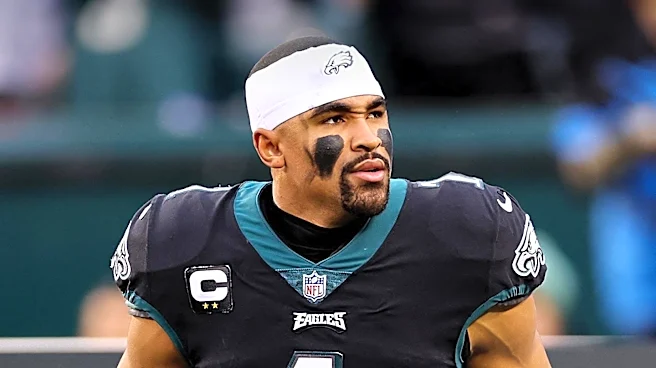
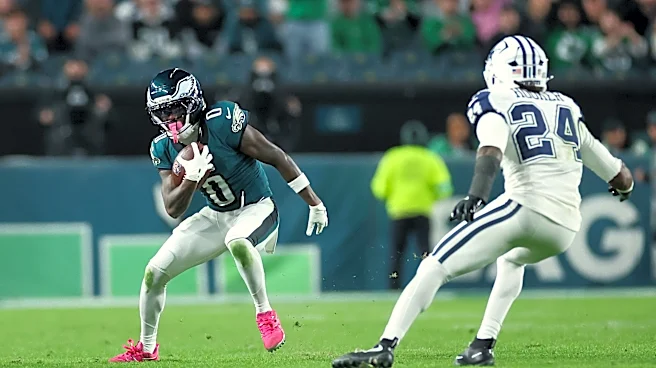
Philadelphia Eagles quarterback Jalen Hurts has been diagnosed with blood clots, leading to his shutdown for the remainder of the 2026 NFL season. Hurts had appeared in the first five games of the season, initially dealing with calf soreness in Week 5
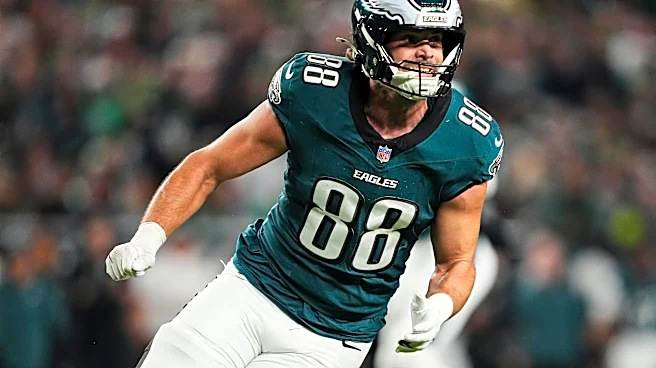
before the more severe diagnosis was revealed. This health issue has cast significant doubt on his future with the team. Despite the uncertainty surrounding Hurts' health and his long-term status, there are indications that the Eagles might be planning for his return. The decision to retain veteran tight end Dallas Goedert, who was considered a trade candidate, is being interpreted by some as a positive sign for Hurts' future. Goedert himself cited Hurts' consistent communication as a factor in his decision to return to the Eagles after testing the free-agent market in previous seasons. While Goedert's future is not solely dependent on Hurts, the quarterback's influence in keeping key players like Goedert has been noted.
Why It's Important?
The health status of Jalen Hurts is critically important for the Philadelphia Eagles, impacting their strategic planning, roster construction, and on-field performance. As a starting quarterback, his absence due to blood clots creates a significant void and uncertainty for the team's immediate and long-term prospects. The decision to shut him down for the season underscores the seriousness of his medical condition, placing health at the forefront of any discussions about his career. For the Eagles, retaining a key offensive weapon like Dallas Goedert could signal a belief in Hurts' eventual return, as Goedert has been a favored target. This situation also highlights the inherent risks in professional sports, where unforeseen medical conditions can abruptly alter a player's career trajectory and a team's competitive outlook. The Eagles' management will need to carefully navigate this situation, balancing player welfare with competitive aspirations, which could influence future draft decisions, free agency pursuits, and coaching strategies.
What's Next?
The immediate next step for Jalen Hurts and the Philadelphia Eagles involves a thorough understanding and management of his blood clot condition. The team will need to monitor his health closely and determine a timeline for his potential return to football activities, if any. For the Eagles, the uncertainty surrounding Hurts' health will heavily influence their offseason decisions, particularly regarding the quarterback position. They will need to assess whether to pursue another starting-caliber quarterback in free agency or the draft, or if they are confident in Hurts' recovery for the 2027 season. The continued presence of Dallas Goedert, a player influenced by Hurts, suggests the team might be leaning towards Hurts' eventual return, but official clarity on his medical status will be paramount. Stakeholders, including fans, analysts, and potential free agents, will be closely watching for updates on Hurts' health as the team prepares for the upcoming season.
Beyond the Headlines
Beyond the immediate impact on the Philadelphia Eagles' roster and performance, Jalen Hurts' diagnosis with blood clots raises broader discussions about athlete health and the rigorous demands of professional sports. Such medical conditions, often not directly related to on-field injuries, underscore the comprehensive health challenges athletes can face. This situation could prompt further examination of player health screening protocols and ongoing monitoring within the NFL, especially for conditions that might not be immediately apparent. The influence of a quarterback like Hurts in retaining key teammates, as seen with Dallas Goedert, also highlights the intangible leadership and cultural impact star players have beyond their statistical contributions. This scenario could also influence how teams approach contract negotiations and long-term commitments with players who face significant health uncertainties, potentially leading to more nuanced clauses related to medical conditions. The focus on 'health comes first' emphasizes a growing awareness of player well-being in professional sports.