



What's Happening?
Employees of TKO Group Holdings, the parent company of WWE and UFC, are reportedly growing increasingly frustrated and concerned about their safety regarding the company's decision to proceed with events in Riyadh, Saudi Arabia. This concern stems from
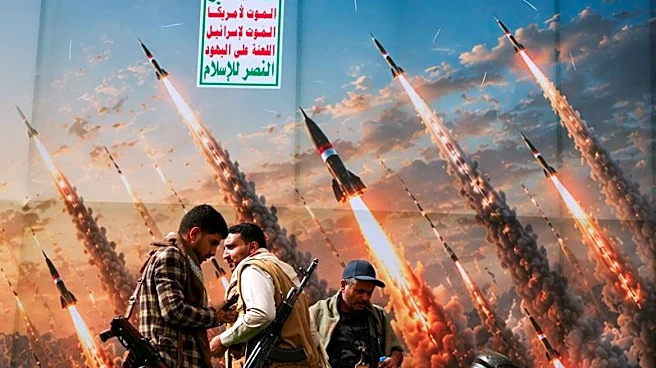
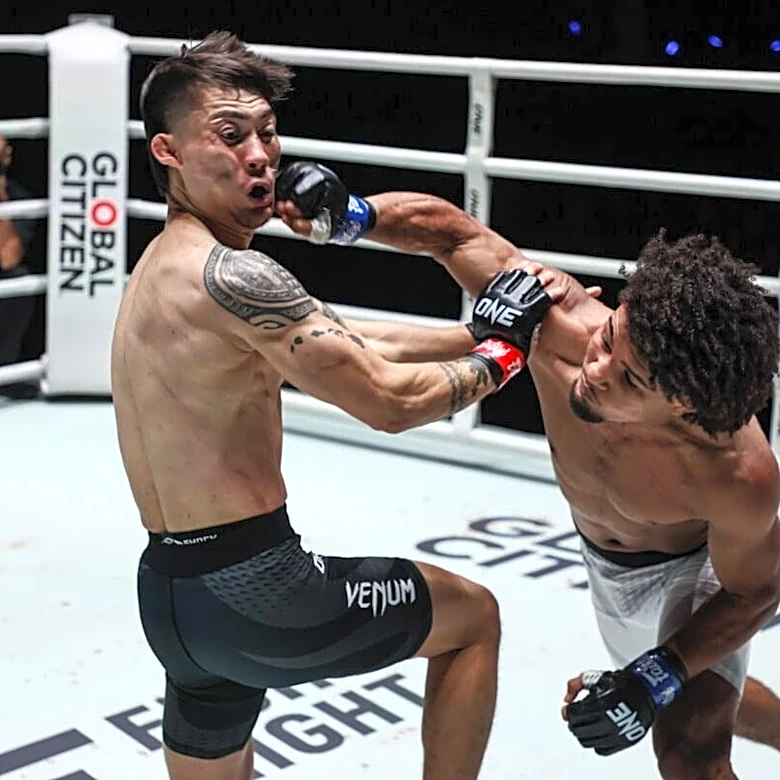
ongoing missile and drone attacks by Houthi militia in Yemen, which have intensified along Saudi Arabia's border. According to sources cited by Ben Fowlkes of UNCROWNED, workers feel their safety has been an afterthought as TKO continues to schedule and execute events in what is described as an active conflict zone. Other major sports events, such as the Six Kings Slam tennis tournament and the PIF Saudi International golf tournament, have been postponed due to the attacks, highlighting the perceived risk. TKO executives are reportedly focusing on State Department clearances for travel, which employees view as insufficient given the on-the-ground realities. A UFC Fight Night event is scheduled for Riyadh on December 5, further exacerbating employee anxieties about disregard for their well-being and a lack of communication regarding contingency plans.
Why It's Important?
This situation highlights a significant conflict between corporate financial interests and employee safety concerns within the sports entertainment industry. TKO Group Holdings' continued operations in a region experiencing active conflict could set a precedent for how major U.S.-based entertainment companies balance profitability with the duty of care for their workforce in high-risk environments. The frustration among TKO workers could lead to internal disputes, potential labor actions, or reputational damage for the company if safety concerns are not adequately addressed. Furthermore, it raises questions about the ethical implications of hosting large-scale public events in areas prone to geopolitical instability, potentially putting both staff and attendees at risk. The differing responses from various sports organizations—with some postponing events while TKO proceeds—also underscores a lack of unified industry standards for operating in conflict zones, potentially influencing future decisions by other international event organizers.
What's Next?
As the December 5 UFC Fight Night in Riyadh approaches, TKO Group Holdings will likely face increased pressure from its employees and potentially from public scrutiny regarding its safety protocols and contingency plans. The company may need to issue more comprehensive statements or implement visible measures to address worker concerns, such as enhanced security arrangements or clearer communication channels. If the conflict in the region escalates further, TKO might be forced to reconsider its schedule, potentially leading to postponements or cancellations, which could have significant financial implications. Employee dissatisfaction could also lead to internal protests or calls for greater transparency and involvement in safety decisions. The U.S. State Department's travel advisories for Saudi Arabia will also be a critical factor, as any change in their assessment could directly impact TKO's ability to proceed with planned events.
Beyond the Headlines
The ongoing situation with TKO Group Holdings and its employees in Saudi Arabia touches upon broader themes of corporate responsibility in a globalized world. It highlights the complex ethical dilemmas faced by multinational corporations operating in regions with geopolitical instability, where economic opportunities often intersect with significant human safety risks. This scenario could prompt a re-evaluation of corporate policies regarding employee deployment in conflict zones, potentially leading to more robust risk assessment frameworks and greater employee involvement in decision-making processes. It also underscores the growing power of employee voices in demanding safer working conditions, even when pitted against lucrative international ventures. The incident may also spark discussions within the broader sports and entertainment industries about the moral obligations of promoting events in countries with ongoing human rights concerns or active conflicts, pushing for a more holistic approach to international engagement that prioritizes human well-being over purely financial gains.