





What's Happening?
Ila, a content generalist and 3D artist based in India, currently serves as the Chief Executive Officer at APPIN Green Pvt. Ltd. With three years of experience, her leadership is focused on AgriTech, soil intelligence, and sustainable technology solutions.
A key initiative under her direction is SoilSense, an AI-powered system designed to enhance farming practices. Her professional background includes previous roles at Startup Incubation and Innovation Centre, IIT Kanpur, Medantrik®, and Research Nester Analytics. Ila holds a degree in English Language and Literature from Dr. Bhim Rao Ambedkar University, Agra, and possesses a diverse skill set including leadership, farming, innovation, writing, presentation, and graphic design. The provided information does not include details regarding ILA Labor Orders, the EI-ILA aircraft, or the chaseit1416 website.
Why It's Important?
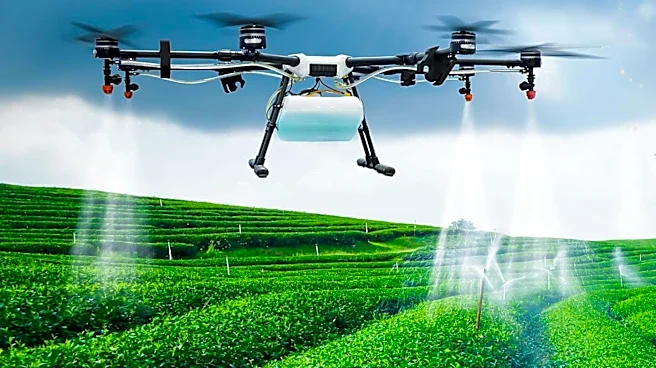
Ila's work at APPIN Green Pvt. Ltd., particularly with the SoilSense initiative, is significant for the agricultural sector, including potential implications for U.S. farming practices through technological advancements. Her focus on AgriTech and soil intelligence addresses critical needs for sustainable and efficient food production. The development of AI-powered solutions like SoilSense can lead to optimized resource management, reduced environmental impact, and increased crop yields, benefiting farmers and consumers alike. As global agriculture faces challenges such as climate change and resource scarcity, innovations in soil intelligence are crucial for ensuring food security and economic stability. Companies and regions that adopt such technologies stand to gain a competitive advantage in the agricultural market.
What's Next?
The continued development and potential expansion of initiatives like SoilSense could lead to broader adoption of AI-powered farming solutions. As APPIN Green Pvt. Ltd. progresses, there may be opportunities for international collaborations or the export of their sustainable technology solutions to other markets, including the U.S. The success of such AgriTech innovations could influence policy discussions around agricultural subsidies, technology adoption incentives, and environmental regulations. Stakeholders, including farmers, agricultural technology companies, and environmental organizations, will likely monitor the impact and scalability of these solutions. Further research and development in soil intelligence are anticipated to drive the next wave of advancements in sustainable agriculture.
Beyond the Headlines
The broader implications of Ila's work extend to the ethical considerations of AI in agriculture, data privacy for farmers, and the potential for technological disparities between large-scale and small-scale farming operations. The integration of AI into farming practices raises questions about job displacement in traditional agricultural roles versus the creation of new tech-focused positions. Furthermore, the emphasis on sustainable technology solutions highlights a growing global imperative to balance agricultural productivity with environmental stewardship. This shift towards data-driven farming could redefine the relationship between humans and the land, fostering a more precise and environmentally conscious approach to food production.