



What's Happening?
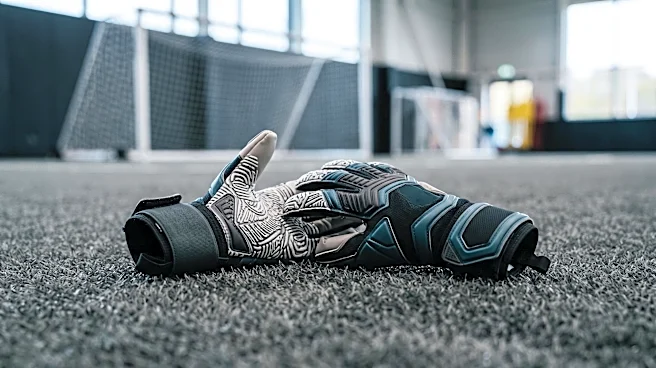
Mary Earps, the acclaimed England goalkeeper, announced her retirement from the national team on May 27, 2025, after earning 53 caps. This decision followed manager Sarina Wiegman's choice to name Hannah Hampton as the preferred first-choice goalkeeper for
the upcoming 2025 European Championship. Earps' retirement was a personal choice made after losing her starting position. The situation gained further public attention in November 2025 with the release of Earps' autobiography, 'All In: Football, Life and Learning to Be Unapologetically Me.' In her memoir, Earps criticized Hampton's return to the England setup, raising questions about squad conduct and whether such behavior was being rewarded. This account, however, was not a formal misconduct finding against Hampton. The controversy led to public debate, with Wiegman defending her selection decisions and emphasizing her responsibility to the entire team. In February 2026, Earps acknowledged the hurt caused by her words and accepted responsibility for their impact, later describing a positive meeting with Wiegman, though a reconciliation with Hampton was not confirmed.
Why It's Important?
This development highlights the intense competition within elite sports and the personal toll it can take on athletes. Earps' decision to retire after losing her starting spot, despite her significant contributions to the national team, underscores the high-stakes environment of professional football. The subsequent controversy surrounding her autobiography brings to light the complexities of team dynamics, player conduct, and managerial decisions at the highest level. It also raises questions about the transparency and communication within national sports organizations regarding player selections and internal issues. For fans and aspiring athletes, it offers a glimpse into the pressures faced by top performers and the difficult choices they sometimes make. The public nature of the disagreement, amplified by the autobiography, could influence how athletes choose to share their experiences and how sports organizations manage internal conflicts in the future.
What's Next?
Following her retirement from international football, Mary Earps will continue her club career with London City Lionesses, having signed a two-year contract beginning July 1, 2026. Her focus will likely shift entirely to club commitments and her personal life, including adapting to motherhood after the birth of her son, Xander, in November 2026. The England national team, under Sarina Wiegman, will move forward with Hannah Hampton as their primary goalkeeper, aiming to build team cohesion and performance for future international competitions, including the 2025 European Championship. The public and media will likely continue to monitor the performance of both Earps at the club level and Hampton with the national team, with any future comments or developments regarding the past controversy being closely watched. The impact of Earps' autobiography on discussions around player welfare and team management in women's football may also continue to unfold.
Beyond the Headlines
The controversy surrounding Mary Earps' autobiography and her retirement from the England team delves into deeper ethical and cultural dimensions within professional sports. It raises questions about the balance between an athlete's right to share their personal experiences and the potential impact on team unity and individual reputations. The incident also highlights the evolving landscape of athlete activism and transparency, where players are increasingly using their platforms to voice concerns and share their perspectives, sometimes leading to public disagreements with management or teammates. This situation could contribute to broader discussions within sports organizations about establishing clearer guidelines for player conduct, communication, and conflict resolution, especially when personal narratives intersect with professional responsibilities. Furthermore, it underscores the psychological pressures on athletes, not only in performance but also in navigating interpersonal relationships and public scrutiny, potentially influencing future approaches to athlete support and media training.