






What's Happening?
The global nautical industry, particularly the high-end yacht design sector, is experiencing significant growth, with a notable shift towards 'quiet luxury.' This trend emphasizes quality, refinement, and a sense of ease over overt ostentation. Italian
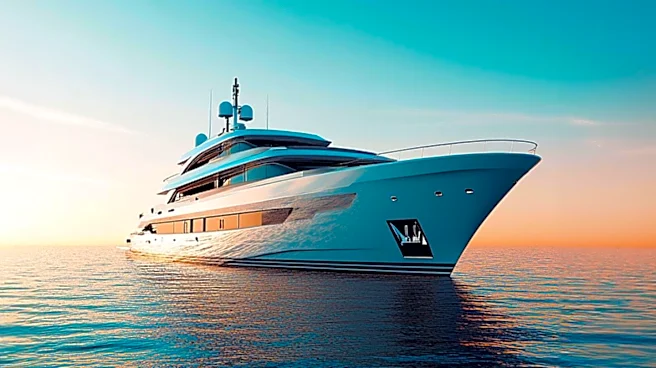
builders, who account for 52% of global superyacht production, are leading this movement. Designers are focusing on interiors that complement the surrounding landscape rather than competing with it, using understated, warm, and wood-focused aesthetics. For instance, Azimut unveiled the Magellano 27M, featuring interiors by Michele De Lucchi, which includes a loggia designed as a fluid indoor-outdoor space. Similarly, Achille Salvagni Architetti and Rossinavi introduced M/Y Heed, a superyacht with sophisticated, nature-inspired interiors. The industry's focus on wellness-enhanced vessels is also evident, with collaborations like The Longevity Suite, Benetti, and Luca Dini Design & Architecture creating yachts designed for optimal comfort and well-being.
Why It's Important?
The embrace of 'quiet luxury' in the high-end yacht market reflects a broader consumer shift towards discerning value and experience over flashy displays of wealth. This trend is crucial for the U.S. luxury market, as it influences design philosophies and consumer expectations across various high-end sectors, from real estate to automotive. For U.S. businesses involved in luxury goods and services, understanding this preference for subtle sophistication can inform product development, marketing strategies, and client engagement. The growth in the nautical industry, despite complex global economies, indicates a resilient demand for premium experiences, suggesting that sectors catering to affluent consumers can thrive by focusing on quality, craftsmanship, and personalized comfort. This also highlights the increasing importance of integrated design, where elements like wellness and environmental harmony are central to the luxury offering, potentially setting new standards for high-end consumption in the U.S.
What's Next?
The continued growth and evolution of the 'quiet luxury' trend are expected to influence various luxury markets beyond yachting. Designers and brands in the U.S. will likely further integrate principles of restraint, quality materials, and subtle detailing into their offerings. The emphasis on wellness and integrated design, as seen in the yachting sector, could become a more prominent feature in luxury homes, automotive interiors, and hospitality experiences. Stakeholders in the U.S. luxury market, including architects, interior designers, and manufacturers, will need to adapt to these evolving consumer preferences to remain competitive. The success of Italian builders in this niche suggests a potential for increased international collaboration and the adoption of European design sensibilities in the U.S. luxury landscape. The focus on creating environments that evoke calm and intimacy will likely drive innovation in material science, acoustic design, and personalized comfort technologies.
Beyond the Headlines
The 'quiet luxury' movement signifies a deeper cultural shift away from overt materialism towards a more refined appreciation of quality, craftsmanship, and personal well-being. This trend has ethical and cultural implications, as it encourages sustainable practices through the emphasis on durable, timeless pieces rather than fast-fashion or disposable luxury. It also challenges traditional notions of status, suggesting that true luxury lies in understated elegance and a sense of ease, rather than conspicuous consumption. For U.S. society, this could lead to a re-evaluation of what constitutes 'luxury' and 'success,' potentially fostering a greater appreciation for thoughtful design, longevity, and personal comfort. The discretion required by high-end clients in the yachting industry also points to a growing desire for privacy and exclusivity, which could shape how luxury services are delivered and experienced in the future.