
What's Happening?
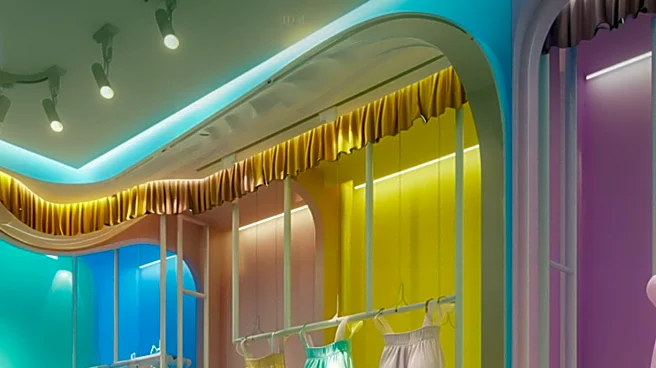
Chinese collectible toymaker Pop Mart International is opening its first European flagship store in Paris, located on Boulevard Haussmann. This strategic expansion comes as the company faces a slowdown
in its overseas sales. Pop Mart founder and CEO Wang Ning recently traveled to Paris, where he met with Bernard Arnault, chairman and CEO of LVMH, and gifted him a Pop Mart Labubu doll. This meeting follows another high-profile encounter in July with Apple CEO Tim Cook and then-incoming Apple CEO John Ternus at Apple's Cupertino headquarters, where discussions focused on creative design, digital ecosystems, and global consumer trends. The Paris meeting also included Delphine Arnault, CEO of Dior, and Pietro Beccari, CEO of Louis Vuitton, indicating potential collaborations between Pop Mart and LVMH. Equity analysts suggest that while Wang Ning's visit primarily aims to raise Pop Mart's profile, co-branded premium products might not significantly boost the firm's overseas revenue.
Why It's Important?
Pop Mart's decision to open a flagship store in a prime European location like Paris, despite cooling overseas sales, highlights a broader trend among Chinese companies to aggressively pursue international market penetration. This move is crucial for Pop Mart to diversify its revenue streams and reduce reliance on its domestic market, especially as global economic conditions fluctuate. The high-level meetings with executives from LVMH and Apple underscore the company's ambition to elevate its brand image and explore collaborations with established global luxury and technology giants. Such partnerships could introduce Pop Mart's intellectual properties to new consumer segments and potentially influence global consumer trends in collectibles and lifestyle products. For the U.S. market, this expansion signifies increased competition in the collectible toy sector and could prompt U.S. retailers and toy manufacturers to innovate and adapt to evolving global consumer preferences, particularly in the designer toy segment.
What's Next?
Pop Mart's immediate next step is the official opening of its Paris flagship store, which will serve as a key hub for its European operations and brand visibility. Further cooperation with LVMH is anticipated, with Pop Mart's intellectual properties potentially integrating into some of LVMH's luxury offerings. This could lead to exclusive product lines or limited-edition collaborations, targeting a high-end consumer base. The company will likely continue its global retail expansion strategy, potentially eyeing other major international cities to establish a stronger physical presence. Monitoring the performance of the Paris store and the impact of any luxury collaborations will be crucial in assessing the effectiveness of Pop Mart's international growth strategy. The company will also need to address the challenge of cooling overseas sales, possibly through targeted marketing campaigns and product diversification to appeal to a wider international audience.
Beyond the Headlines
The strategic engagements between Pop Mart and luxury conglomerates like LVMH, as well as tech giants like Apple, signal a significant shift in how collectible toy brands are positioning themselves in the global market. This goes beyond mere product sales; it's about cultural influence and brand prestige. By associating with high-fashion and technology leaders, Pop Mart is attempting to elevate its 'art toy' status to a luxury lifestyle brand, blurring the lines between toys, art, and fashion accessories. This trend could redefine consumer perceptions of collectibles, moving them from niche hobbies to mainstream luxury items. The ethical implications of such collaborations could involve questions of accessibility and exclusivity, as products become more expensive and potentially less available to the broader fan base. Furthermore, the success of Pop Mart's international push could inspire other Chinese brands to adopt similar strategies, leading to a more interconnected and competitive global market for consumer goods and cultural products.