






What's Happening?
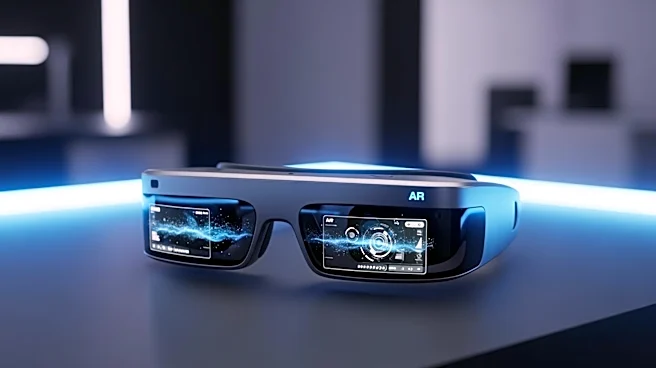
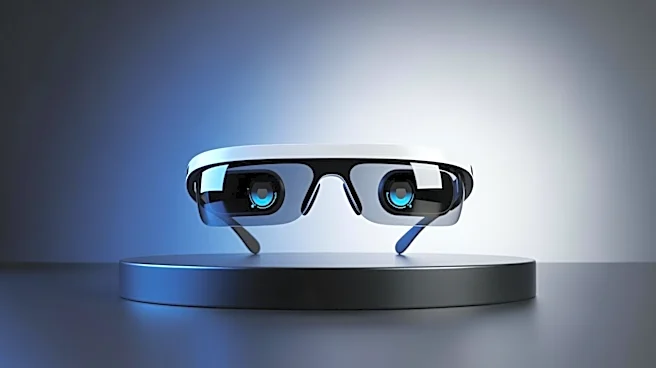
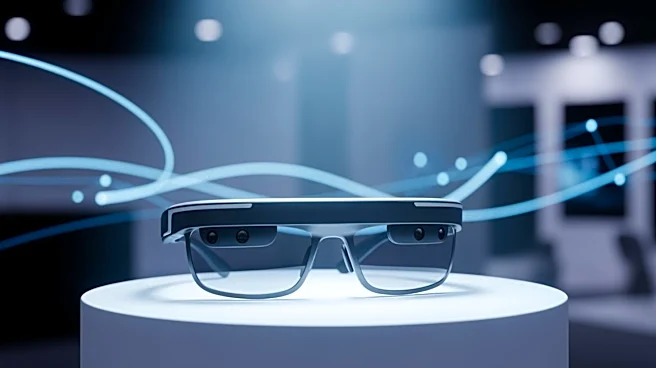
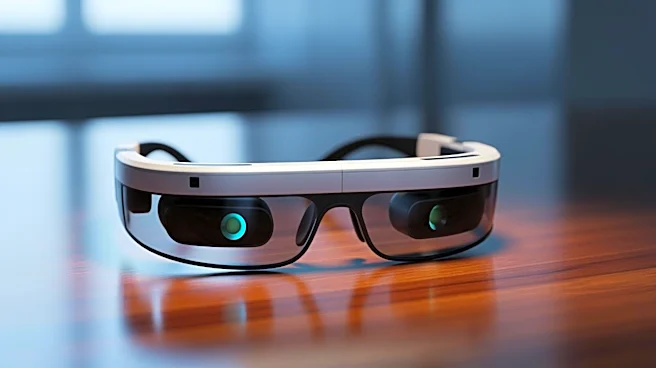
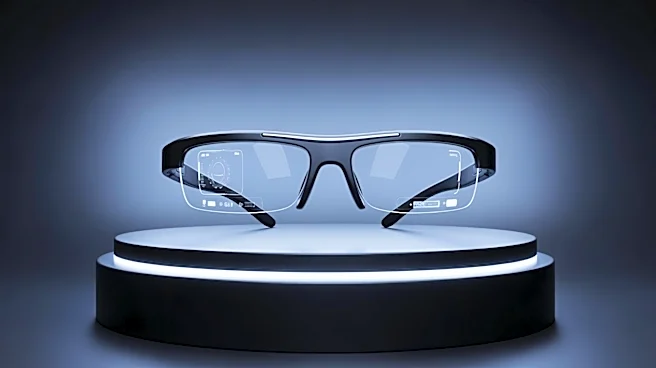
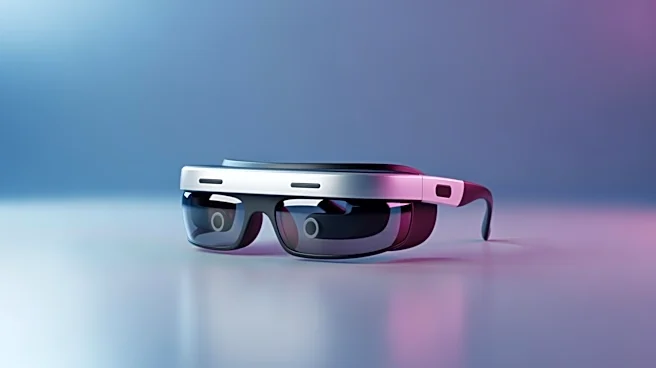
At the Augmented World Expo (AWE) 2026, Snap unveiled its new augmented reality glasses, SPECS, with a controversial presentation by CEO Evan Spiegel. The glasses, priced at $2,195, were described as a 'phone accessory or an open-ear headphone,' which
has sparked significant backlash among XR engineers and privacy advocates. The presentation emphasized the glasses as a lifestyle product rather than a professional tool, raising concerns about the prioritization of comfort and social fit over technical capabilities. This has led to a division among stakeholders, with device engineers worried about the lack of developer support, privacy advocates concerned about always-on sensors, and fashion-forward consumers praising the design and comfort.
Why It's Important?
The introduction of SPECS as a lifestyle product rather than a technical tool has significant implications for the augmented reality industry. By positioning the glasses as a premium consumer product, Snap may attract design-minded consumers and lifestyle brands, potentially boosting retail momentum. However, this approach risks alienating independent XR developers who may face delayed platform support. The decision to prioritize lifestyle over technical capabilities could influence the future development and adoption of AR technology, affecting who buys and builds for SPECS. The outcome of this strategic choice will shape the AR market landscape and determine whether SPECS becomes a fashionable gadget or a robust spatial platform.
What's Next?
As SPECS are set to launch in Fall 2026, the market will closely watch how Snap's design-first strategy plays out. The success of SPECS will depend on whether app ecosystems can adapt to the lifestyle focus and whether developers can overcome potential delays in platform support. The industry will also monitor consumer reactions to the premium pricing and standalone design, which eliminates phone-tether constraints but raises hardware expectations. The response from developers and consumers will ultimately determine the long-term viability of SPECS as either a lifestyle accessory or a comprehensive AR platform.
Beyond the Headlines
The shift towards lifestyle-focused AR devices raises broader questions about the future of technology and user experience. As companies like Snap prioritize design and comfort, there may be a growing trend towards consumer-friendly tech that sacrifices some technical capabilities. This could lead to a bifurcation in the market, with distinct segments for lifestyle products and professional tools. Additionally, the emphasis on always-on sensors and privacy concerns highlights the need for ongoing discussions about data security and user consent in the evolving AR landscape.