

What's Happening?
Sarah Reid, a naturalist and conservationist in Sonoma County, is leading nature journaling workshops to encourage deeper observation and connection with the natural world. Reid, who learned to nature journal herself after initially believing she couldn't
draw, teaches participants to slow down and pay 'intentional attention' to their surroundings. Her workshops, offered through organizations like the Sonoma Ecology Center and Sonoma State’s Center for Environmental Inquiry, often begin with simple exercises like tracing a leaf and using prompts such as 'I notice, I wonder, and it reminds me of…' This practice, which served as therapy for Reid during the pandemic, aims to move individuals past artistic inhibitions and foster curiosity about nature. Reid's observations over decades have also informed her perspective on climate change, noting shifts in wildflower blooms and the impact of drought on oak trees.
Why It's Important?
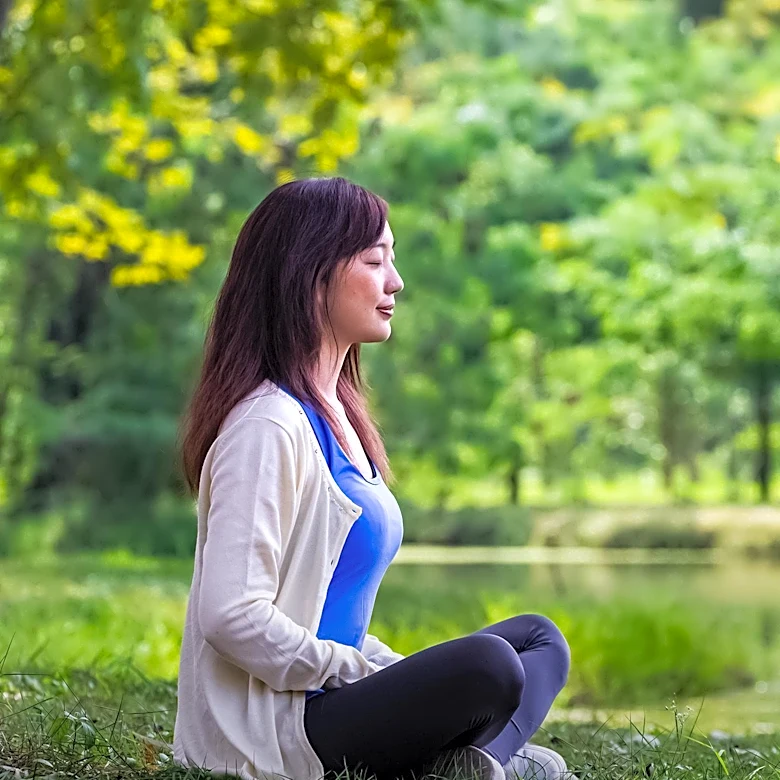
In an increasingly urbanized and digitally connected U.S. society, nature journaling workshops led by individuals like Sarah Reid are crucial for re-establishing a vital connection between people and the environment. This initiative addresses a growing disconnect from the outdoors, which has implications for both individual well-being and broader environmental conservation efforts. By fostering a sense of 'intentional attention' and curiosity, these workshops can cultivate environmental stewardship, encouraging participants to become more engaged in protecting natural resources. For educational institutions and conservation organizations, these programs offer an effective method for public engagement and environmental education. The therapeutic aspect of nature journaling also highlights its importance for mental health, providing a meditative practice that can reduce stress and enhance mindfulness, thereby contributing to a healthier society.
What's Next?
Sarah Reid will continue to lead nature journaling workshops at locations such as the Sonoma Botanical Garden on September 26 and October 4, with registration available through sonomabg.org. The ongoing success of these workshops may inspire other conservation organizations and educational institutions across the U.S. to adopt similar programs, expanding the reach of nature journaling as a tool for environmental education and personal well-being. There could be increased demand for resources and training for aspiring nature journalers and instructors. Furthermore, as awareness of climate change grows, practices like nature journaling may become more recognized as a way to observe and understand local environmental changes, potentially contributing to citizen science initiatives and local conservation efforts. The integration of such practices into school curricula or community programs could also be a future development.
Beyond the Headlines
The practice of nature journaling, as championed by Sarah Reid, taps into deeper ethical and cultural dimensions of human-environment interaction. It promotes a philosophy of mindful engagement with nature, moving beyond passive observation to active, reflective participation. This approach can cultivate a profound sense of place and belonging, which is essential for fostering long-term environmental ethics. In a society often driven by consumption and rapid technological advancement, nature journaling offers a counter-narrative, emphasizing slowness, observation, and appreciation for the natural world's intricate details. It also democratizes artistic expression, making it accessible to those who may not consider themselves artists, thereby promoting creativity as a tool for understanding and connecting with the environment. This shift in perspective can lead to a more sustainable and harmonious relationship between humans and nature, influencing cultural values and promoting a deeper respect for ecological systems.