




What's Happening?
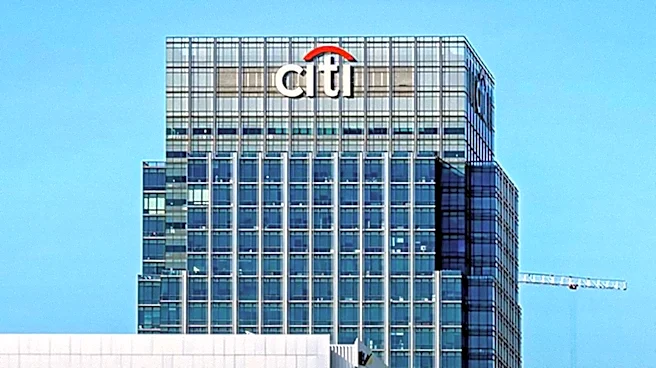
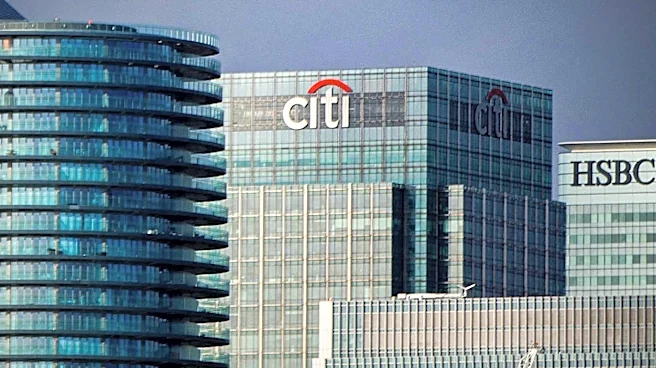
Citigroup Securities (China) Co., Ltd. has received approval from the China Securities Regulatory Commission to establish operations with a registered capital of 1.2 billion yuan (approximately $179.9 million). This makes Citigroup the seventh wholly
foreign-owned securities firm in mainland China. Citigroup Chairman and CEO Jane Fraser confirmed the development, stating that the license completes the bank's China footprint and signals increased competition for rivals. Fraser's recent visits to China, including attending the 21st Citi China Summit in Shanghai, underscore Citigroup's growing ambitions in the Chinese market. The new license enables Citigroup to offer comprehensive financial services, including helping Chinese companies raise financing, providing channels for international investors into China, and facilitating onshore trading for both Chinese and multinational corporate clients.
Why It's Important?
This development is significant for the U.S. financial sector as it expands Citigroup's global reach and competitive standing in one of the world's largest economies. By securing this license, Citigroup can now offer a more integrated suite of financial services within China, reducing the reliance on overseas channels for its clients. This move aligns with CEO Jane Fraser's differentiation strategy, which focuses on institutional clients and cross-border needs, leveraging Citigroup's extensive global network. The increased presence of a major U.S. financial institution in China could lead to greater financial integration between the two economies, potentially benefiting U.S. companies seeking to invest in or operate within China, and vice versa. However, it also intensifies competition for other foreign and local securities firms already operating in the market, such as JPMorgan, Goldman Sachs, UBS, and Standard Chartered.
What's Next?
With the new securities license, Citigroup is expected to rapidly expand its operations and service offerings within mainland China. The bank will likely focus on leveraging its global network to connect Chinese companies with international capital and provide enhanced services for international investors looking to enter the Chinese market. This move could prompt other U.S. and international financial institutions to re-evaluate their strategies in China, potentially leading to further investments or strategic adjustments to maintain competitiveness. The increased activity of foreign securities firms in China may also influence regulatory developments and market dynamics, as both local and international players vie for market share in a rapidly evolving financial landscape.
Beyond the Headlines
Citigroup's strategic move into China with a full securities license highlights a broader trend of global financial institutions seeking deeper engagement in the Chinese market, despite geopolitical complexities. This expansion reflects a long-term commitment to China, viewing it as a critical component of a global financial strategy. The emphasis on institutional clients and cross-border services suggests a nuanced approach to market entry, focusing on areas where Citigroup can leverage its global expertise. This could also set a precedent for how other U.S. and international firms navigate market access in China, balancing local market demands with global operational strategies. The success of Citigroup's venture will likely be closely watched as a barometer for the broader financial industry's engagement with China.