









What's Happening?
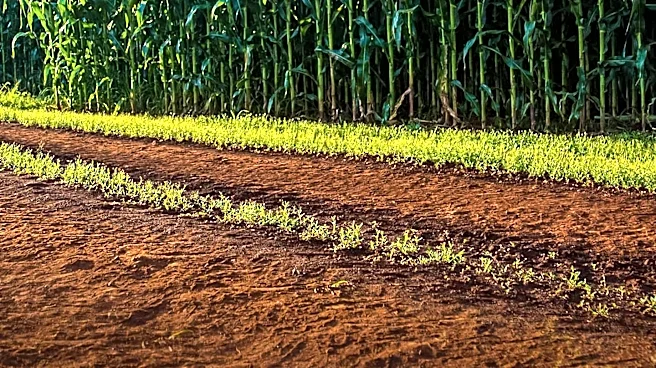
PepsiCo has announced significant progress towards its 2030 Positive Agriculture goals, focusing on scaling regenerative agriculture and sustainable sourcing. The company has expanded its regenerative, restorative, and protective practices to 4.7 million
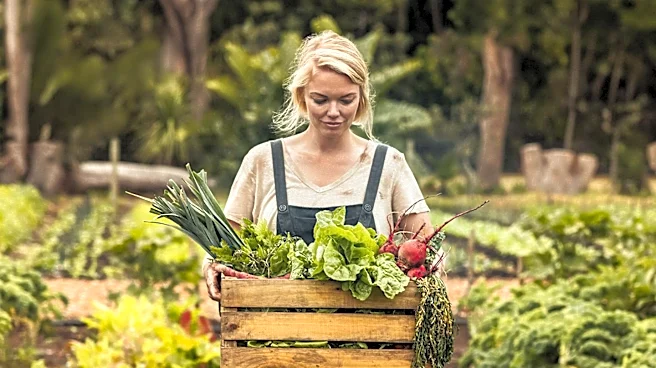
acres globally, aiming to reach 10 million acres by 2030. This initiative is part of PepsiCo's broader strategy to create a more resilient and sustainable food system. The company has engaged in collaborations with farmer-focused partners to co-design locally relevant programs and provide technical assistance. PepsiCo's efforts also include the STEP Up for Agriculture initiative, a collaboration with Unilever and other companies to strengthen farmer-facing organizations. Additionally, PepsiCo is working towards sustainably sourcing 90% of its key ingredients by 2030, with 70% already sustainably sourced.
Why It's Important?
PepsiCo's advancements in regenerative agriculture are crucial for promoting sustainable farming practices and enhancing food security. By focusing on regenerative practices, PepsiCo aims to improve environmental outcomes and support farmer livelihoods, which is vital for the long-term sustainability of the agricultural sector. The company's efforts to sustainably source ingredients and support farmers through various programs can lead to increased agricultural resilience and productivity. This progress not only benefits the environment but also aligns with consumer demand for sustainably produced products, potentially enhancing PepsiCo's market position and brand reputation.
What's Next?
PepsiCo plans to continue its focus on building resilience in farming communities and ecosystems through collaboration and innovation. The company aims to deepen its positive impact by embedding sustainable practices across its supply chain and supporting the transformation of farming ecosystems. PepsiCo will also continue to report on its progress towards these goals as part of its pep+ strategy. Future efforts will likely involve enhancing traceability, leveraging technology, and strengthening collaborations to drive scalable outcomes in sustainable agriculture.