




What's Happening?
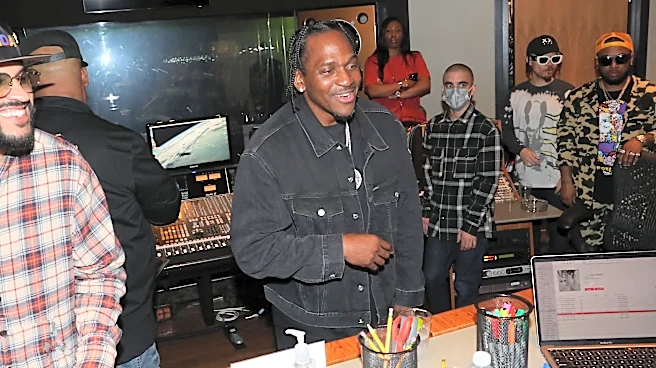
Pusha T, the Virginia rapper, has voiced concerns regarding the current state of originality within the rap music industry during a recent interview with the Wall Street Journal. He suggests that the emphasis on individual artistic identity has diminished,
with many artists now opting to replicate popular trends rather than forging unique paths. According to Billboard, Pusha T observed a shift where artists are creating 'different versions of what’s hot' instead of striving for distinctiveness. The discussion also touched upon the nature of rap battles, a topic previously addressed by Jay-Z. Pusha T presented a contrasting perspective, asserting that rivalry is an inherent and enduring component of a competitive art form like rap. He clarified that while he supports musical competition, he draws a clear line at conflicts that extend beyond the realm of songs, rejecting any escalation into non-musical disputes. This stance highlights his belief in maintaining competition strictly within creative boundaries.
Why It's Important?
Pusha T's critique is significant as it addresses a fundamental aspect of artistic integrity and evolution within the rap genre. His observations highlight a potential trend towards homogenization, which could stifle innovation and diversity in music. If artists increasingly prioritize commercial viability by mimicking successful formulas, the genre risks losing its dynamic and groundbreaking edge. This could impact both the creative output of artists and the listening experience of audiences who seek originality. His defense of musical competition, while setting boundaries, underscores the importance of creative sparring as a catalyst for artistic growth and skill development. This perspective could influence emerging artists to prioritize authenticity and competitive excellence within their craft, potentially leading to a resurgence of unique voices and styles in rap. The debate also touches on the broader cultural impact of rap, a genre often celebrated for its individuality and narrative power.
What's Next?
Pusha T's comments may spark further discussion within the hip-hop community regarding the balance between commercial success and artistic originality. Other prominent artists and industry figures might weigh in on the debate, potentially leading to a broader conversation about the future direction of rap music. This could encourage artists to re-evaluate their creative processes and consider the long-term implications of following trends versus cultivating a distinct identity. Record labels and producers might also take note, potentially shifting their strategies to foster more unique talent rather than solely investing in artists who fit established molds. Furthermore, Pusha T's emphasis on discipline, as evidenced by his early studio routine with Pharrell, could inspire aspiring musicians to adopt a more rigorous approach to their craft, focusing on consistent effort alongside creative expression. The ongoing dialogue about competition within rap may also lead to a redefinition of what constitutes a 'rap battle,' emphasizing lyrical prowess over personal attacks.
Beyond the Headlines
Beyond the immediate discussion of rap trends, Pusha T's remarks touch upon deeper themes of artistic authenticity versus commercial pressures, a perennial challenge across all creative industries. His call for individuality in rap reflects a broader societal value placed on unique expression, which can be eroded by market forces that favor mass appeal. The distinction he draws between healthy musical competition and destructive conflict also highlights ethical considerations within competitive fields. It suggests that while rivalry can drive excellence, it must be managed responsibly to prevent negative outcomes. This perspective could resonate beyond music, influencing how competition is viewed and managed in other creative or professional domains. Ultimately, Pusha T's insights serve as a reminder of the ongoing tension between artistic integrity and the demands of the marketplace, prompting reflection on how creative fields can maintain their vitality and originality in an increasingly commercialized world.