


What's Happening?
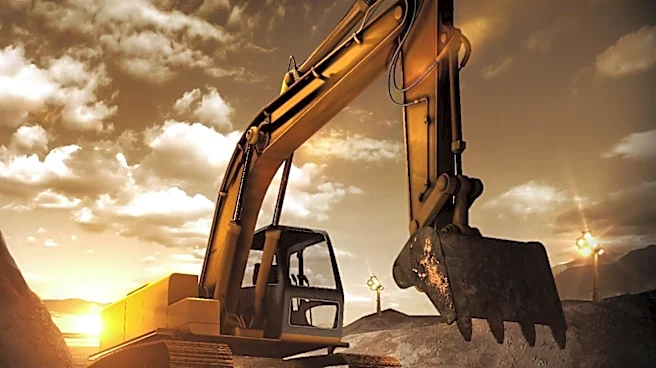
China's SINOMACH has developed specialized excavators designed to withstand extreme mining conditions, including high heat and humidity, as well as severe cold. The company's approach involves creating 'heat packages' and 'cold packages' based on site-specific
feedback. For hot and humid environments, such as a gold mine in South America where temperatures reach 45°C and excavators operate 20 hours daily, SINOMACH enlarged radiators and hydraulic oil coolers by 10% to 20%. This modification allows full-load operation up to 55°C ambient temperature without alarms or power derating. Additionally, features like cyclone pre-cleaners, two-stage air filters, high-temperature wiring harnesses, and LED lighting systems are incorporated to address dust, electrical faults, and visibility. For cold regions, where temperatures drop far below zero, a 'cold package' includes low-temperature engine calibration, intake preheating, jacket-water heaters for reliable starts at -30°C, and diesel-fired preheaters extending the working range to -40°C. Other cold-weather adaptations include upsizing batteries, using specialized hydraulic oil (L-HV32), and low-temperature seals to prevent cracking.
Why It's Important?
The development of robust mining machinery capable of operating in extreme conditions is crucial for the global mining industry, including U.S. companies with operations in diverse climates. The ability of SINOMACH excavators to maintain high performance and reliability in both scorching heat and freezing cold directly impacts productivity, operational costs, and worker safety. For U.S. mining firms, particularly those involved in resource extraction in challenging environments like the Arctic or arid regions, such specialized equipment can reduce downtime, extend equipment lifespan, and lower maintenance expenses. The innovations in thermal management, dust control, and cold-start reliability address common pain points in heavy machinery operation, ensuring continuous production and contributing to the economic viability of mining projects. This technological advancement also highlights the competitive landscape in heavy equipment manufacturing, pushing for higher standards of durability and adaptability.
What's Next?
SINOMACH's continuous development of application-specific solutions suggests a trend towards highly customized heavy machinery in the mining sector. The company's emphasis on field feedback and R&D collaboration indicates a commitment to ongoing innovation. Future developments may include further integration of smart technologies for predictive maintenance and real-time performance monitoring in extreme conditions. The success of these specialized packages, demonstrated by over 20,000 hours of continuous operation in customer fleets and high winter availability rates, will likely drive demand for similar robust solutions across the industry. This could lead to other manufacturers adopting similar strategies to cater to the diverse and demanding needs of global mining operations, potentially fostering a new era of highly resilient and adaptable heavy equipment.
Beyond the Headlines
Beyond the immediate operational benefits, the focus on extreme-condition machinery has broader implications for environmental sustainability and worker welfare. By designing equipment that can withstand harsh environments, manufacturers contribute to reducing the environmental footprint of mining operations through increased efficiency and reduced waste from equipment failures. For example, improved air filtration systems reduce particulate emissions, and efficient thermal management can lower fuel consumption. Furthermore, features like enhanced lighting and reliable cold-weather starting contribute to safer working conditions for miners, particularly in remote and hazardous locations. This holistic approach to equipment design, considering both performance and the human and environmental context, reflects a growing awareness within the heavy machinery industry of its broader responsibilities.