
What's Happening?
Researchers have investigated whether visually appealing images of healthy foods on Instagram can influence adolescents' dietary choices, similar to how 'foodporn' glamorizes unhealthy options. The study,
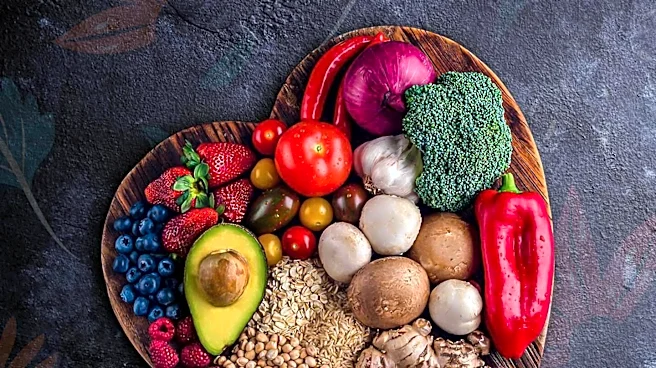
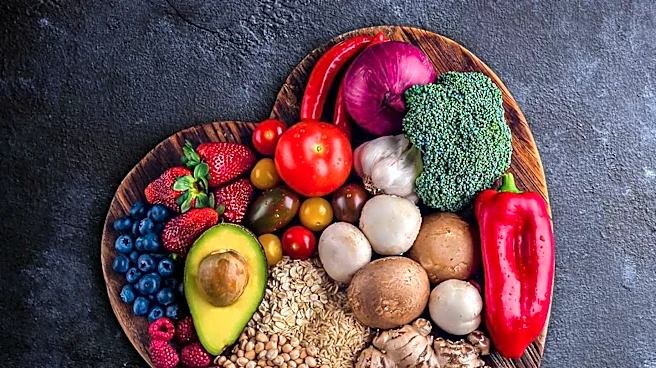
published in BMC Public Health, involved adolescents aged 13 to 19 with Instagram accounts. Participants were exposed to various food images, including 'non-core' (fast food), 'core regular' (plain healthy food), and 'core foodporn' (visually appealing healthy food). The findings suggest that appealing imagery of healthy foods was linked to a greater willingness to eat them, and adolescents showed generally positive responses in attitudes and intentions towards healthy foods. However, most changes in liking and consumption were not statistically significant, and the study did not demonstrate long-term dietary changes. Nutritional captions did not produce significant differences between groups.
Why It's Important?
This research holds significant implications for public health initiatives and food marketing strategies in the U.S., particularly concerning adolescent nutrition. With rising rates of obesity among young people, understanding how social media influences food choices is crucial. If visually appealing healthy food imagery can effectively 'prime' adolescents towards healthier options, it offers a powerful tool for public health campaigns and educational programs. For the food industry, this suggests a potential shift in marketing focus, encouraging brands to invest in more attractive presentations of nutritious products. Conversely, the study's limitations, such as the short intervention period and lack of long-term follow-up, highlight the complexity of changing ingrained dietary habits and the need for sustained, multi-faceted interventions beyond just visual appeal.
What's Next?
The researchers suggest that school canteens, restaurants, cafes, and online communities could adopt similar visual strategies to promote healthy eating among adolescents. Influencers and social media platforms may also be encouraged to support such efforts. Future research will likely focus on larger studies with varied groups and settings to confirm these results over longer periods and establish causality. Public health organizations may explore integrating 'healthy foodporn' concepts into their campaigns to make nutritious options more desirable to young audiences. The food industry might also begin to experiment with more visually engaging presentations of healthy meals in their advertising and product displays, aiming to capture the attention of a generation heavily influenced by social media aesthetics.
Beyond the Headlines
The study touches upon the broader ethical and cultural implications of social media's pervasive influence on youth behavior. The concept of 'foodporn' itself, traditionally associated with indulgent and often unhealthy foods, being repurposed for healthy eating, signifies a cultural shift in how food is perceived and presented. It raises questions about the responsibility of social media platforms and influencers in shaping dietary norms. Furthermore, the findings underscore the power of visual communication in an increasingly digital world, suggesting that aesthetic appeal can be as, if not more, influential than factual information (like nutritional captions) for certain demographics. This could lead to a re-evaluation of how health information is disseminated and consumed, moving towards more engaging and visually driven approaches.