








What's Happening?
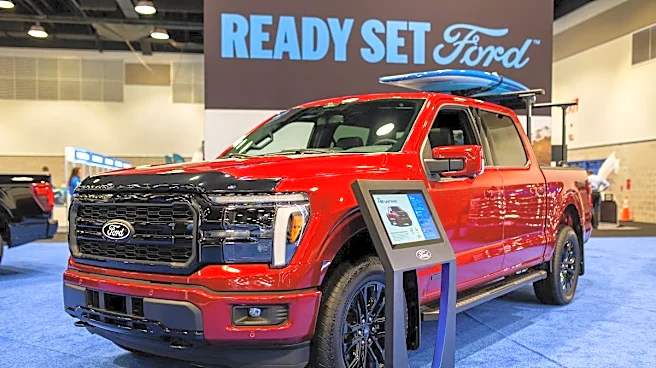
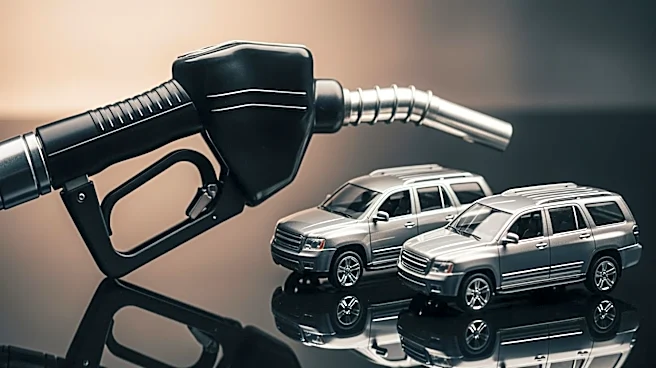
General Motors' North American president has reported that high gasoline prices are deterring consumers from purchasing pickups and SUVs more quickly than anticipated. This trend is affecting the automotive industry as consumers shift their preferences
towards more fuel-efficient vehicles. The rising cost of fuel is prompting potential buyers to reconsider their options, leading to a decline in demand for larger, less fuel-efficient vehicles. This development is part of a broader pattern where economic factors, such as fuel prices, significantly influence consumer behavior in the automotive market.
Why It's Important?
The shift away from trucks and SUVs due to high gas prices could have significant implications for the automotive industry. Manufacturers that heavily rely on these vehicle categories may experience a decline in sales, affecting their revenue and market share. This trend could also accelerate the industry's transition towards electric and hybrid vehicles, as consumers seek more economical and environmentally friendly options. Additionally, the change in consumer preferences might prompt automakers to adjust their production strategies, focusing more on developing and marketing fuel-efficient models.
What's Next?
Automakers are likely to respond to this shift by increasing their investment in electric and hybrid vehicle technologies. Companies may also explore strategies to improve the fuel efficiency of their existing models to retain consumer interest. The industry could see a rise in promotional efforts to highlight the benefits of fuel-efficient vehicles. Furthermore, policymakers might consider implementing measures to support the transition to greener transportation options, potentially influencing future regulatory frameworks and incentives for both manufacturers and consumers.