


What's Happening?
Codelco, Chile's state-owned copper producer, has announced that its restructuring plan, aimed at addressing years of stagnant production and rising costs, may not be finalized until the end of 2026, a delay from the previously anticipated October release.
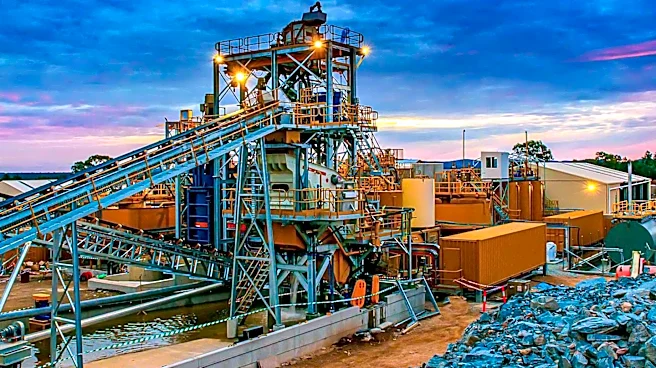
The review is being conducted under CEO Jorge Gómez, who assumed his role in July. Sources familiar with the discussions, as reported by Reuters, suggest potential measures include a workforce reduction of 5–20%, though no definitive decisions have been made. Contractors, who constitute approximately 80% of Codelco's nearly 77,000-strong workforce, could bear the brunt of any reductions. Other options under consideration include the sale or closure of less profitable operations or the postponement of projects. The Copper Workers Federation has stated it has not been formally informed of proposed job cuts and argues that current staffing levels are already aligned with operational needs. Chairman Bernardo Fontaine indicated in August that copper output is likely to remain around 1.3 million tonnes (Mt) annually in the coming years, falling short of earlier ambitions to reach 1.7 Mt by the decade's end.
Why It's Important?
Codelco is the world's largest copper producer, and its operational health has significant implications for the global copper market and the U.S. economy, which relies on copper for various industries, including construction, electronics, and renewable energy. A delay in Codelco's turnaround plan and persistent production challenges could contribute to tighter global copper supplies, potentially leading to higher prices. This would impact U.S. manufacturers and consumers, increasing costs for goods that depend on copper. The potential workforce reductions, particularly among contractors, highlight the social and economic challenges faced by state-owned enterprises undergoing restructuring, with implications for labor relations and regional economies. Furthermore, Codelco's inability to meet its production targets could affect the long-term supply outlook for copper, a critical mineral for the global energy transition, potentially slowing down the adoption of green technologies that require substantial amounts of copper.
What's Next?
Codelco will continue its strategic review under CEO Jorge Gómez, with the finalized recovery plan now expected by the end of 2026. This extended timeline suggests a thorough, albeit slower, process for implementing significant changes. Stakeholders, including the Copper Workers Federation, will closely monitor any proposals for workforce reductions or operational changes, potentially leading to negotiations or industrial actions. The Chilean government, as the sole owner of Codelco, will also play a crucial role in approving and supporting the restructuring efforts. The global copper market will be watching for updates on Codelco's production forecasts, as any further delays or reductions in output could exacerbate supply concerns. The company's decisions regarding less profitable operations and project delays will also shape its future production capacity and financial viability.
Beyond the Headlines
Codelco's struggles reflect broader challenges faced by mature mining operations globally, including declining ore grades, increasing operational costs, and the need for significant capital investment in new projects. The delay in its turnaround plan underscores the complexity of reforming large state-owned enterprises, which often face political, social, and economic pressures that can hinder swift decision-making and implementation. The reliance on contractors for a significant portion of its workforce highlights a common industry practice that can offer flexibility but also raises questions about labor stability and social responsibility during periods of restructuring. This situation also brings into focus the strategic importance of copper as a critical mineral for the future, particularly in the context of global decarbonization efforts. Codelco's ability to overcome its current challenges will not only impact Chile's economy but also influence the global supply chain for a metal essential to the transition to a green economy.