






What's Happening?
GE Aerospace has successfully flown a modified Saab 340B aircraft equipped with a megawatt-class hybrid-electric propulsion system at 30,000 feet. This marks a significant achievement in the development of electric propulsion systems for commercial aviation.
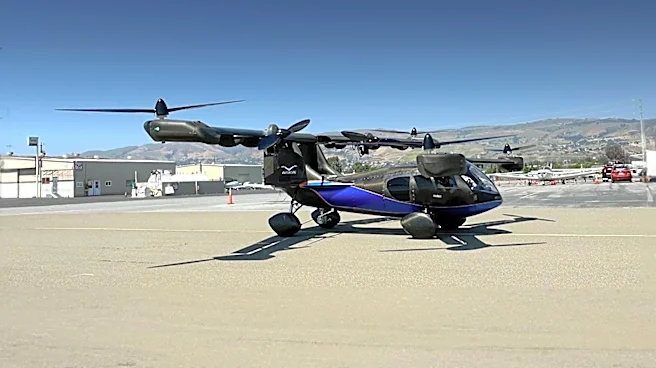
The aircraft, showcased at the Farnborough Airshow, features a hybrid-electric system developed in collaboration with NASA, Boeing, and Beta Technologies. The system integrates electric motors, a gas turbine, and energy storage capabilities, demonstrating the potential for more efficient and sustainable air travel.
Why It's Important?
The successful test flight represents a major step forward in the pursuit of sustainable aviation technologies. Hybrid-electric propulsion systems have the potential to reduce fuel consumption and emissions, contributing to the aviation industry's efforts to address climate change. This development could pave the way for more widespread adoption of hybrid-electric systems in commercial aircraft, potentially transforming the industry and reducing its environmental impact. The collaboration between major aerospace companies and NASA highlights the importance of public-private partnerships in advancing technological innovation.
What's Next?
Following the successful test flight, GE Aerospace plans to continue refining the hybrid-electric system and exploring its applications in commercial aviation. The company aims to further test the system's capabilities and integrate it into future aircraft designs. The lessons learned from this project will inform the development of next-generation propulsion systems, potentially leading to more efficient and environmentally friendly aircraft. The continued collaboration with NASA and other partners will be crucial in overcoming technical challenges and achieving broader implementation of hybrid-electric technology.