







What's Happening?
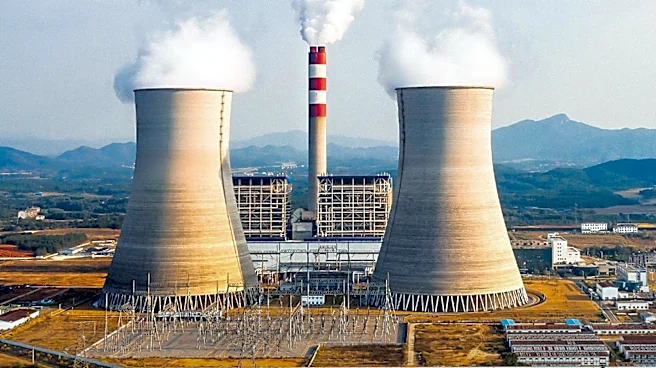
Amazon is planning to build a data center in Pecos County, Texas, which includes an on-site power plant that could become the largest source of climate pollution in the United States. The power plant is permitted to release 33 million tons of carbon dioxide
annually, surpassing any other power plant in the country. Despite Amazon's commitment to eliminate carbon emissions by 2040, the company's carbon emissions increased by 16% last year. An Amazon spokesperson stated that the data center will be powered by new on-site generation that will not increase electricity costs for Texas families. However, the development of large natural gas plants to support data centers is raising political opposition due to their environmental impact.
Why It's Important?
The construction of Amazon's data center and its associated power plant highlights the ongoing tension between technological advancement and environmental sustainability. As data centers require significant energy, the reliance on natural gas plants could undermine efforts to reduce carbon emissions. This development is particularly significant for Amazon, which has pledged to achieve net-zero carbon emissions by 2040. The situation underscores the challenges faced by tech companies in balancing operational demands with environmental commitments. The potential increase in carbon emissions could attract scrutiny from environmental groups and policymakers, impacting Amazon's public image and regulatory landscape.
What's Next?
Amazon may face increased pressure from environmental advocates and regulatory bodies to mitigate the environmental impact of its data center operations. The company might need to explore alternative energy sources or carbon offset strategies to align with its climate pledge. Additionally, the broader tech industry could see heightened scrutiny regarding the environmental footprint of data centers, prompting a shift towards more sustainable practices. Stakeholders, including local communities and environmental organizations, are likely to engage in discussions about the long-term implications of such developments.