








What's Happening?
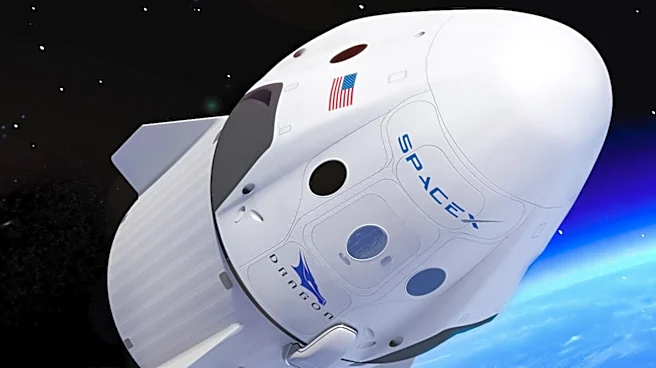
SpaceX has appointed South African-born investor Roelof Botha to its board of directors, following the company's record $75 billion initial public offering (IPO). This move marks a significant phase in SpaceX's evolution as it transitions from a private
rocket manufacturer to a major player in the global space economy. Botha, a prominent figure in Silicon Valley, is known for his role at Sequoia Capital and his previous collaboration with Elon Musk at PayPal. His expertise in scaling technology businesses and navigating public markets is expected to be invaluable as SpaceX faces increased scrutiny from investors and regulators. The company, now valued at approximately $2.1 trillion, operates the world's largest satellite constellation through Starlink and provides services to governments and commercial customers.
Why It's Important?
The appointment of Roelof Botha to SpaceX's board is significant as it underscores the company's commitment to strengthening its governance and investor oversight. Botha's experience in the tech industry and his previous work with Musk could help SpaceX navigate the complexities of being a publicly listed company. This development is crucial for SpaceX as it continues to expand its influence in the global space economy, particularly through its Starlink satellite internet service. The company's growing presence in Africa and other regions highlights its role in enhancing internet connectivity in underserved areas, which could have far-reaching implications for digital infrastructure and economic growth.
What's Next?
With Botha on the board, SpaceX is likely to focus on consolidating its position in the global market and addressing any regulatory challenges that may arise from its public listing. The company may also explore further expansion of its Starlink services, particularly in regions with limited internet access. As SpaceX continues to innovate and expand its services, it will be important to monitor how it manages investor expectations and regulatory requirements. The company's strategic decisions in the coming months could significantly impact its growth trajectory and its role in the global space industry.