




What's Happening?
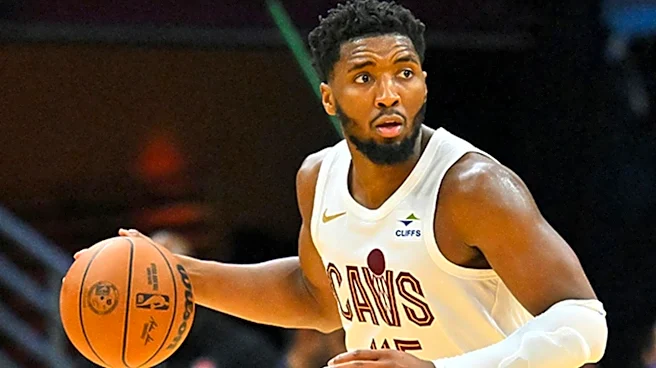
The Cleveland Cavaliers' acquisition of star guard Donovan Mitchell in 2022 is revealed to be the culmination of a complex, 15-year chain of trades and asset management that began in 2011. The initial move involved the Cavaliers trading Mo Williams and Jamario
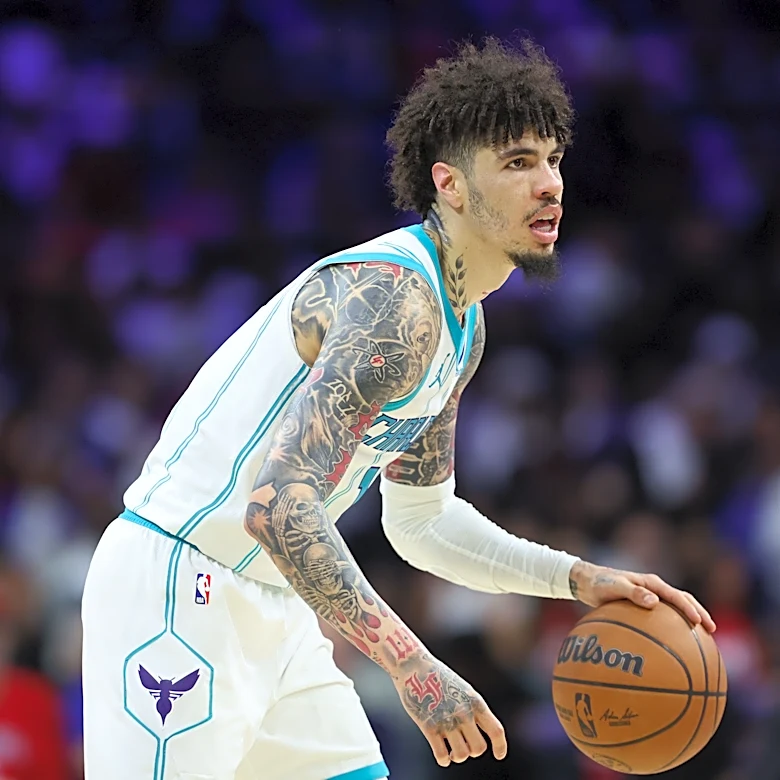
Moon to the Los Angeles Clippers in exchange for Baron Davis and an unprotected first-round draft pick. This pick unexpectedly became the No. 1 overall selection in the 2011 NBA Draft, which Cleveland used to draft Kyrie Irving. Years later, in 2017, Irving was traded to the Boston Celtics, bringing in several assets, including a first-round pick originally belonging to the Brooklyn Nets. This pick was then used in 2018 to draft Collin Sexton. Finally, in 2022, Sexton was part of the package sent to the Utah Jazz, along with Lauri Markkanen, Ochai Agbaji, three first-round picks, and two pick swaps, to acquire Donovan Mitchell. This intricate series of transactions demonstrates the Cavaliers' long-term strategy of continually leveraging assets to build their roster.
Why It's Important?
This detailed lineage of trades underscores the strategic depth and long-term vision required in professional sports management. For the Cleveland Cavaliers, it highlights how seemingly minor transactions can have profound, cascading effects over more than a decade, ultimately leading to the acquisition of a franchise-altering player like Donovan Mitchell. This approach of continuously turning assets into new opportunities is crucial for teams in building competitive rosters, especially in leagues with salary cap restrictions and draft pick systems. It demonstrates that successful team building is not always about a single blockbuster trade, but often a patient and calculated series of moves. The ability to identify and capitalize on future value from draft picks and player assets is a testament to the Cavaliers' front office strategy, enabling them to remain relevant and competitive even after significant roster changes.
What's Next?
The Cavaliers will continue to build around Donovan Mitchell, who is now secured with a long-term contract. The success of this intricate asset management strategy will be measured by the team's performance in upcoming seasons, particularly their ability to contend for championships. The remaining draft picks and assets acquired through this chain of trades will be crucial for future roster adjustments, whether through further trades or drafting new talent. The team's front office will likely continue to employ a similar long-term, asset-focused strategy to maintain competitiveness and adapt to the evolving landscape of the NBA. The ongoing development of players like Mitchell, and how they integrate with the team's other core pieces, will determine the ultimate return on this prolonged investment in asset management.
Beyond the Headlines
This narrative goes beyond typical sports headlines by illustrating the profound impact of foresight and strategic planning in a highly competitive environment. It reveals that the 'blockbuster' trades often reported are frequently the visible tip of a much larger, submerged iceberg of asset accumulation and strategic positioning. The story also highlights the inherent uncertainty and risk in such long-term planning; the value of draft picks can fluctuate wildly, and player development is never guaranteed. It's a testament to the art of the deal in professional sports, where general managers must constantly evaluate current talent against future potential, and make decisions that may not bear fruit for many years. This complex history also adds a layer of narrative depth to Mitchell's presence in Cleveland, connecting him to a legacy of strategic moves that predates his arrival.