




What's Happening?
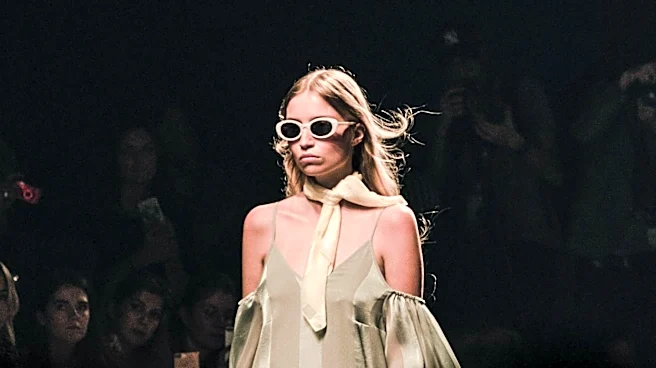
A new viral trend on Instagram involves users creating AI-generated fashion lookbooks from their personal photos. This trend allows individuals to transform two outfit pictures into a collage featuring seven AI-generated versions of themselves in different
poses and outfits. The process utilizes AI image-generation tools like ChatGPT and Gemini, which support multiple reference images. Users select two clear photographs of themselves, each showcasing a distinct outfit, ensuring their face, hair, and clothing are clearly visible. These images are then uploaded to an AI tool, along with a specific prompt that instructs the AI to create an overhead fashion lookbook collage. The prompt details the desired layout, camera angle (bird's-eye flatlay on a seamless white background), and a variety of candid and dynamic poses, such as taking a phone selfie mid-walk or sitting and looking down. The AI is instructed to maintain the same face, skin tone, hair, and identity across all generated figures, with only the outfit and pose changing. The goal is to produce a modern, editorial, minimal, and cool full-color brand lookbook.
Why It's Important?
This AI lookbook trend signifies a growing integration of artificial intelligence into personal content creation and digital self-expression, particularly within the fashion and lifestyle sectors. For individuals, it offers an accessible and creative way to experiment with fashion photography and generate professional-looking content without the need for elaborate photoshoots or extensive editing skills. This democratization of high-quality visual content can empower more users to engage with fashion trends and build their personal brands online. For AI developers, the trend highlights the increasing sophistication and user-friendliness of image-generation tools, demonstrating their practical application beyond niche technical uses. The emphasis on maintaining identity while altering outfits and poses also underscores advancements in AI's ability to understand and replicate specific human features. Furthermore, the trend could influence how fashion brands and influencers approach content creation, potentially leading to more AI-assisted campaigns and virtual try-on experiences, thereby shifting traditional marketing strategies and consumer engagement in the fashion industry.
What's Next?
The continued evolution of AI image-generation tools is expected to make this trend even more sophisticated and widespread. Future iterations may offer greater control over details, more realistic outputs, and potentially integrate with e-commerce platforms for virtual try-ons of actual clothing items. Social media platforms like Instagram may further optimize their algorithms to support and promote AI-generated content, potentially introducing built-in AI tools for users. This could lead to a surge in personalized fashion content, blurring the lines between real and AI-enhanced imagery. We might also see the emergence of new ethical guidelines and disclaimers for AI-generated content, especially as the technology becomes more indistinguishable from reality. Brands and influencers will likely explore innovative ways to leverage these tools for marketing, potentially creating virtual models or personalized style recommendations. The trend could also inspire new forms of digital art and creative expression, pushing the boundaries of what's possible in online visual content.
Beyond the Headlines
Beyond its immediate popularity, this AI lookbook trend touches upon deeper implications regarding identity, authenticity, and the future of digital representation. The ability to generate multiple versions of oneself in different styles raises questions about how individuals perceive and present themselves online. It could lead to a more curated and idealized digital persona, potentially impacting self-esteem and body image as users compare their real selves to AI-enhanced versions. Ethically, the trend highlights the importance of responsible AI use, particularly concerning consent and the potential for misuse, such as creating deepfakes or manipulating images without permission. The disclaimer provided by the source, urging responsible use and caution against manipulating images to mislead or harm others, underscores these concerns. Culturally, this trend reflects a broader societal shift towards digital aesthetics and the increasing value placed on visual content in online interactions. It suggests a future where personal branding and self-expression are increasingly mediated and augmented by artificial intelligence, prompting a re-evaluation of what constitutes 'real' in the digital sphere.