


What's Happening?
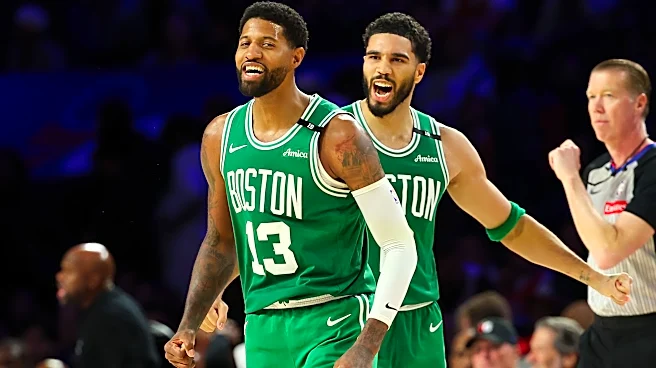
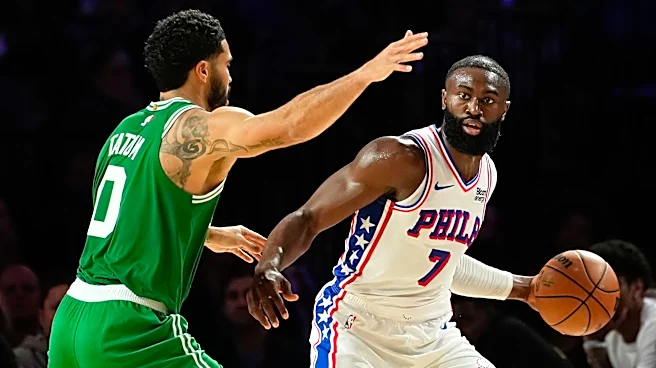
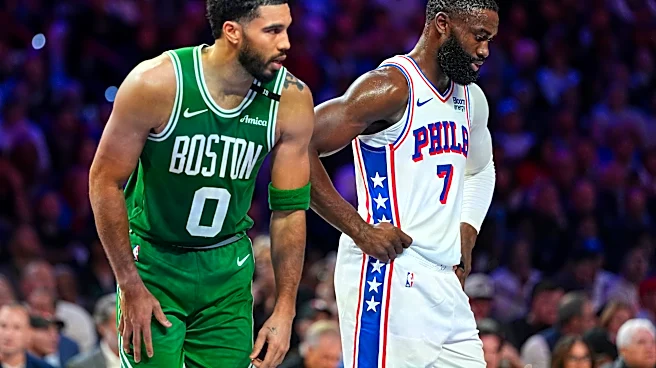
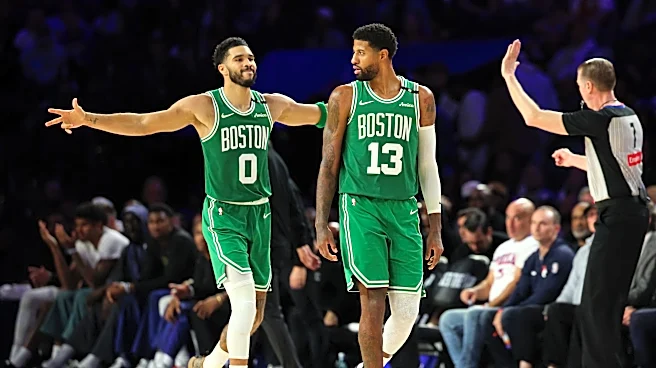
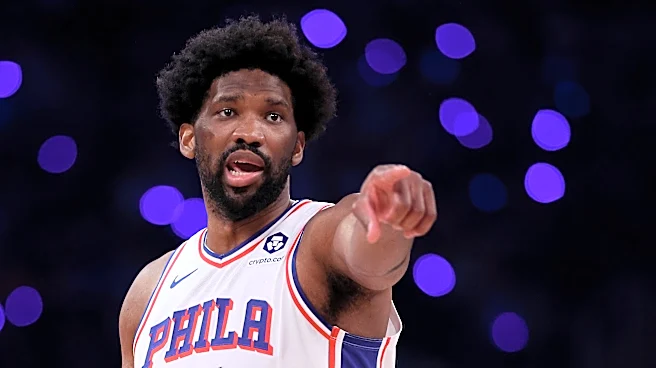
Joel Embiid, after a recent game, made comments about Paul George, stating, 'You can kind of say he's been their best player to a certain level.' This remark has drawn comparisons to former Mavericks head coach Jason Kidd's comments during the 2024 NBA
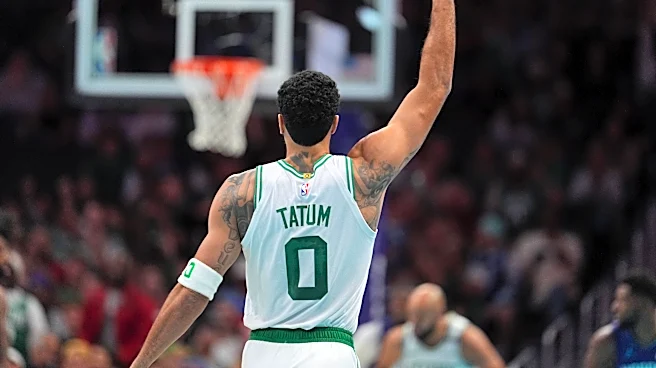
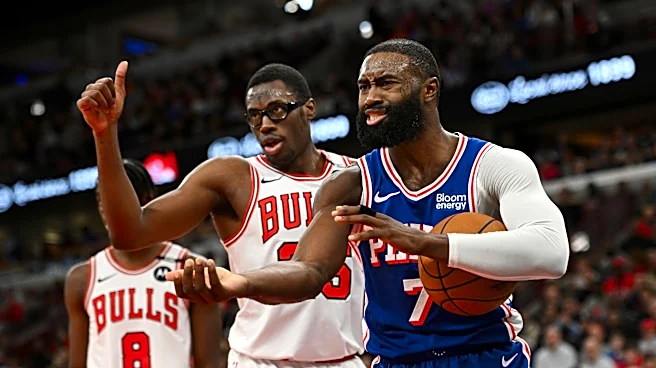
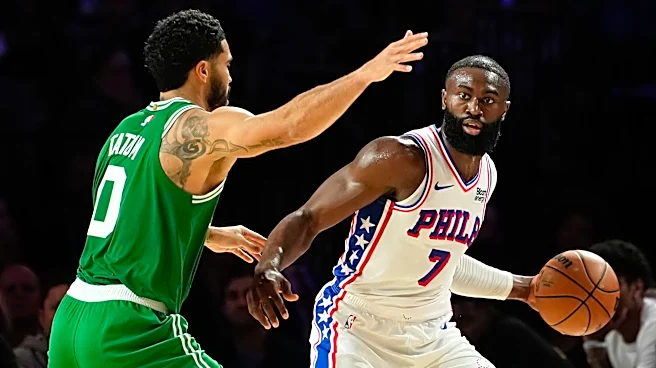
Finals, where he referred to Jaylen Brown as Boston's best player over Jayson Tatum. Kidd's earlier statement was widely interpreted as an attempt to create division between the Celtics' star players, although Kidd later clarified that he simply believed Brown was playing the best at that time. Embiid's recent statement has sparked similar discussions among Celtics fans and sports analysts regarding its potential implications.
Why It's Important?
Such public statements from prominent figures in the NBA can have significant implications for team dynamics and player perceptions. When a coach or a rival player comments on the hierarchy or performance within a team, it can fuel media narratives, create internal pressure, and potentially affect player relationships. In the case of the Celtics, the previous remarks by Jason Kidd were seen as a deliberate tactic to destabilize the team during a critical championship series. Embiid's recent comments, whether intentional or not, reignite this sensitive topic, potentially adding to the scrutiny faced by the Celtics' star players and their perceived roles within the team. This can impact team cohesion and public perception of individual players.
What's Next?
The immediate aftermath of Embiid's comments will likely involve media speculation and analysis regarding his intentions and the potential impact on the Celtics. Players and coaches from the Celtics may be questioned about their reactions to these remarks. While Embiid's comments might be dismissed as a friendly jab or a genuine assessment, the historical context of Kidd's similar statements ensures that they will be scrutinized. This situation could lead to increased media attention on the Celtics' internal dynamics and the performances of their key players in upcoming games, as observers look for any signs of discord or motivation stemming from these external comments.
Beyond the Headlines
These types of comments, often made in the heat of competition or during post-game interviews, highlight the psychological warfare that can occur in professional sports. Beyond the immediate impact on team morale, such statements can influence public opinion, fan bases, and even future contract negotiations for players. The media's role in amplifying and interpreting these remarks also plays a crucial part in shaping the narrative. This incident underscores how seemingly innocuous statements can become significant talking points, revealing the intricate interplay between player relationships, media scrutiny, and competitive strategy in the high-stakes world of professional basketball.