






What's Happening?
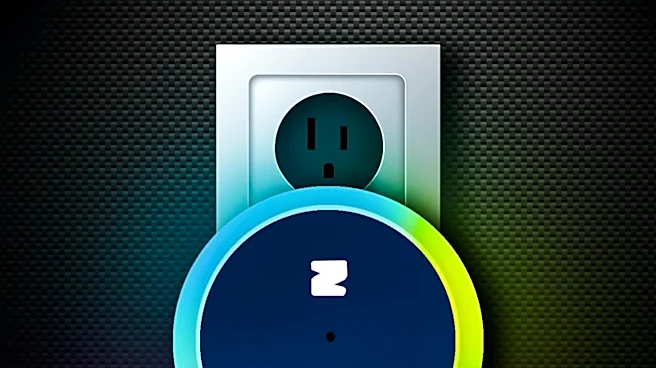
A new packaged Home Assistant hub is being developed for commercial sites, including clinics and offices, with the potential for use in ordinary homes. The developer is seeking feedback from the Home Assistant community on this initiative. The system
aims to provide a site-branded panel for staff and clients, while technicians will continue to work with the underlying Home Assistant platform, utilizing Docker, Zigbee2MQTT, MQTT, and other standard add-ons. Key features already in place or nearing completion include a site file for driving site type, modules, language, and timezone settings, a branded panel with controls for Home, Rooms, Climate, Access, alerts, and activity logs, and roles and permissions, including a wall-tablet/kiosk mode with PIN step-up for advanced functions. The system also incorporates schedules, routines, energy-minded climate control, and door/access logic. Installation and updates are designed to be managed via a USB stick on a hub running Ubuntu, with checksum checks and automatic rollback capabilities. Remote access is split between technician support and client tunnels, ensuring no inbound ports are opened on the client's router.
Why It's Important?
This development is significant for the smart home and commercial automation sectors in the U.S. by offering a tailored, robust solution for businesses and potentially homes. The focus on a packaged, reliable system addresses a critical need for commercial entities that require consistent performance and ease of use without extensive technical expertise. By separating the user interface from the technical backend, it allows businesses to maintain their brand identity while leveraging the powerful capabilities of Home Assistant. The emphasis on reliability in challenging environments, such as hot climates, suggests a durable product that could withstand various operational conditions. The structured approach to installation, updates, and remote access also enhances security and manageability, which are crucial for commercial deployments. This could lead to wider adoption of Home Assistant in professional settings, expanding its market reach beyond hobbyists and tech-savvy users, and potentially driving innovation in commercial smart building solutions.
What's Next?
The developer is actively seeking feedback from the Home Assistant community to refine the packaged hub. Specific areas of interest include best practices for packaging Home Assistant for businesses, challenges with wall tablets in continuous use, ensuring reliability of Zigbee, climate, and access automations across diverse site types, and identifying any missing features for a comprehensive commercial hub. The developer is also looking for insights on critical aspects like backups, power cuts, disk and Docker growth, Zigbee coordinator placement, mesh health, certificates, clock/NTP, update and rollback procedures, and support access that doesn't rely on client router ports. This feedback will be crucial in shaping the final product, ensuring it meets the practical demands of commercial and residential users. The next steps will likely involve incorporating this feedback into further development, testing, and potentially a wider release of the packaged hub.
Beyond the Headlines
The initiative to create a packaged Home Assistant hub for commercial use highlights a broader trend towards professionalizing open-source smart home technologies. By offering a robust, pre-configured solution, the developer is bridging the gap between the flexibility of open-source platforms and the reliability and ease-of-use demanded by commercial clients. This could lead to increased competition in the commercial building automation market, potentially driving down costs and increasing innovation. Furthermore, the focus on secure remote access and reliable operation in diverse environments sets a new standard for smart hub deployments. The project also underscores the growing importance of community collaboration in developing and refining technology solutions, demonstrating how collective expertise can address complex challenges and create more resilient and adaptable systems for various applications.