




What's Happening?
Executives from Mondelez International, Kroger Precision Marketing, and Grimmway Produce Group recently convened at the Path to Purchase Institute's InStore Ignite event. The discussion centered on shifting from a product-centric sales approach to one
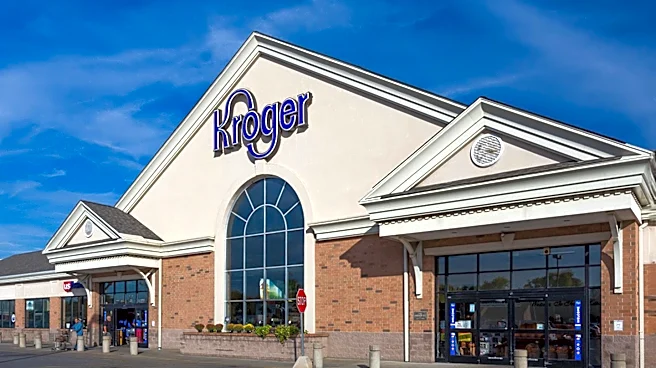
that offers integrated solutions and unique in-store experiences. The core idea is to bridge digital influence, AI-driven discovery, and dynamic physical retail environments. Kroger, for instance, is implementing screens from Barrows Connected Store to provide relevant content and inspire discovery for its 11 million daily shoppers. Mondelez highlighted an Oreo crosswalk activation at Kroger, where customers could scan a QR code on a reimagined pedestrian walkway to unlock exclusive mobile loyalty offers. This initiative aims to make everyday snacks more engaging and memorable for consumers. The panel emphasized that simply installing screens is insufficient; the quality and relevance of content are paramount to creating a meaningful shopper journey.
Why It's Important?
This strategic shift is crucial for U.S. retailers and brands facing an increasingly complex consumer landscape. By focusing on 'solutions' rather than just 'products,' companies can create more engaging and memorable shopping experiences, potentially increasing customer loyalty and sales. The integration of digital marketing, social media, and AI into the physical store environment addresses the evolving expectations of modern consumers, particularly younger demographics like Gen Z, who are heavily influenced by digital discovery. For brands like Mondelez, ensuring their products are top-of-mind at the point of purchase is vital, even for well-known items like Oreo. For retailers like Kroger, enhancing the in-store experience can differentiate them in a competitive market and leverage their extensive customer base to drive engagement and sales. The discussion also highlighted the importance of localized campaigns and real-time data to personalize experiences without being intrusive, which is key for maintaining consumer trust.
What's Next?
The retail industry is expected to continue its evolution towards more integrated and experiential shopping models. Brands and retailers will likely invest further in technologies that connect online and offline consumer journeys, such as AI-powered personalization and interactive in-store activations. The emphasis on content relevance and community-specific marketing suggests a future where retail experiences are highly tailored. Companies will need to refine their strategies for leveraging real-time data to offer personalized experiences without crossing into perceived invasiveness. Furthermore, the role of AI and Large Language Models (LLMs) in product discovery before consumers even enter a store will become more significant, requiring brands to ensure their products are accurately represented and discoverable through these platforms. Measurement will also be critical, with a focus on connecting off-site digital signals with in-store behavior and sales data to prove the efficacy of these integrated strategies.
Beyond the Headlines
This shift represents a deeper transformation in consumer-brand relationships, moving beyond transactional interactions to more immersive and value-driven engagements. Ethically, the use of AI and real-time data raises questions about privacy and the balance between personalization and surveillance. Retailers must navigate these concerns carefully to build trust. Culturally, the integration of digital elements into physical spaces reflects a broader societal trend where the lines between online and offline experiences are increasingly blurred. This evolution could lead to new forms of retail entertainment and community hubs, where shopping is just one component of a broader experience. Long-term, this could reshape urban retail landscapes, with physical stores becoming more dynamic, interactive spaces that complement, rather than compete with, e-commerce, fostering a more holistic consumer journey.