




What's Happening?
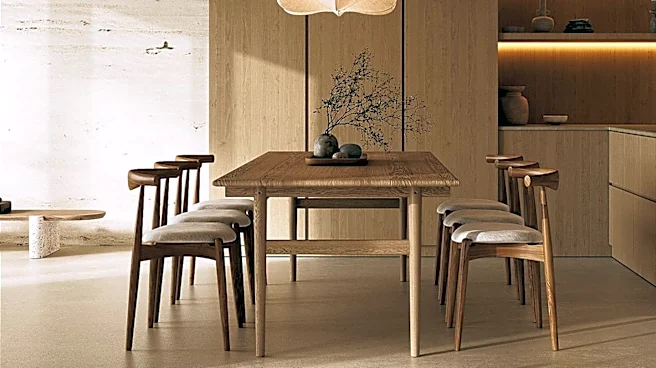
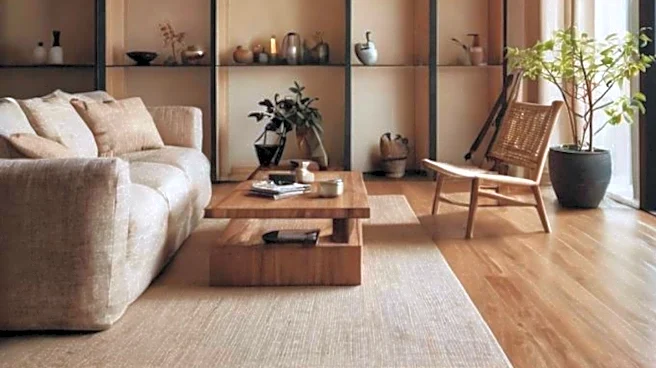
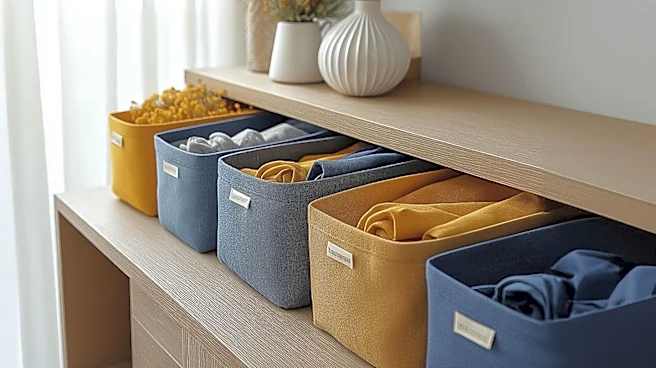
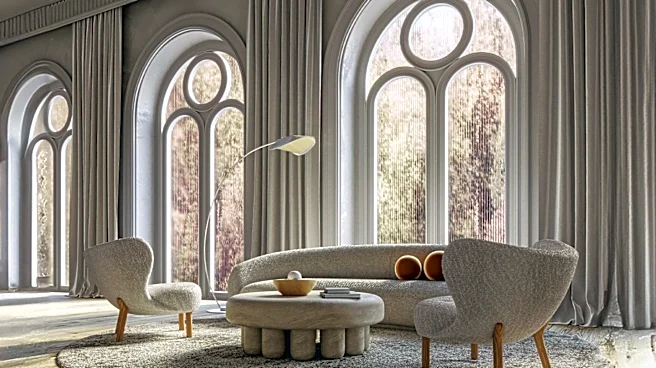
The U.S. home goods market is experiencing a significant shift towards minimalist design, characterized by clean lines, neutral color palettes, and functional layouts. This trend, driven by a desire for intentional, clutter-free living, is moving away
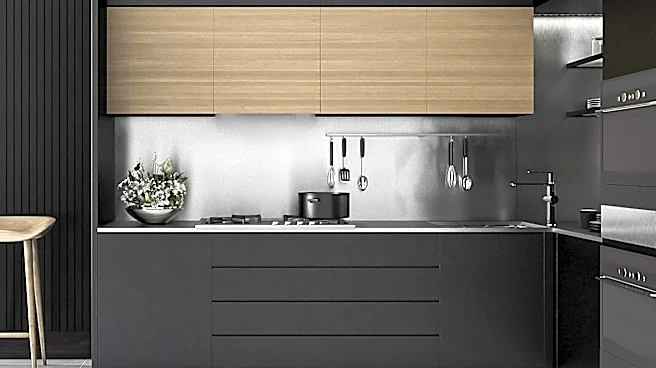
from visually overwhelming storage and cluttered countertops. Modern homeowners and retail buyers are increasingly prioritizing simplicity and timeless aesthetic appeal in their living spaces, particularly in kitchens. Materials like sleek stainless steel and transparent glass have become iconic in this movement, replacing plastics due to their purity, transparency, and industrial elegance. This shift reflects a broader consumer movement that values quality over quantity and seeks to create peaceful, organized home environments.
Why It's Important?
This growing consumer movement has substantial implications for the U.S. home goods industry. Manufacturers and retailers are adapting their product lines to meet the demand for minimalist kitchen solutions, with a focus on durable, high-quality materials like glass and stainless steel. This trend encourages responsible consumption and sustainability, as consumers opt for fewer, higher-quality items that last longer, moving away from disposable goods. The emphasis on functionality and timeless style means that products designed with these principles are likely to have a longer market appeal, influencing product development and marketing strategies across the sector. Businesses that align with these values stand to gain market share, while those slow to adapt may see reduced demand for traditional, more cluttered designs.
What's Next?
The minimalist design trend is expected to continue gaining traction, influencing future product development and consumer purchasing habits in the U.S. home goods market. Manufacturers will likely further innovate in stainless steel and glass product lines, focusing on multi-functional, stackable, and aesthetically pleasing designs. Retailers will continue to curate collections that emphasize clean visuals and sustainable materials. This sustained demand for minimalist products could lead to a decrease in the market for single-use plastics and brightly colored, trend-driven items. The industry may also see an increased focus on marketing products based on their longevity, environmental benefits, and contribution to mental well-being through decluttering and organization.
Beyond the Headlines
Beyond the immediate market impact, the minimalist living trend reflects deeper societal shifts towards mental well-being and sustainability. In an increasingly busy and complex world, consumers are seeking their homes to be sanctuaries, free from visual fatigue and clutter. This movement also highlights a growing environmental consciousness, with consumers actively choosing products that reduce waste and support eco-friendly practices. The preference for authentic materials and timeless style over fleeting trends suggests a cultural shift towards valuing intrinsic quality and purpose, potentially influencing other consumer sectors to adopt similar principles of simplicity, durability, and environmental responsibility.