


What's Happening?
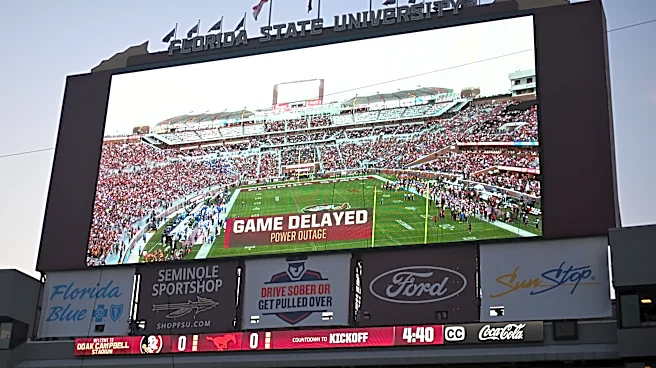
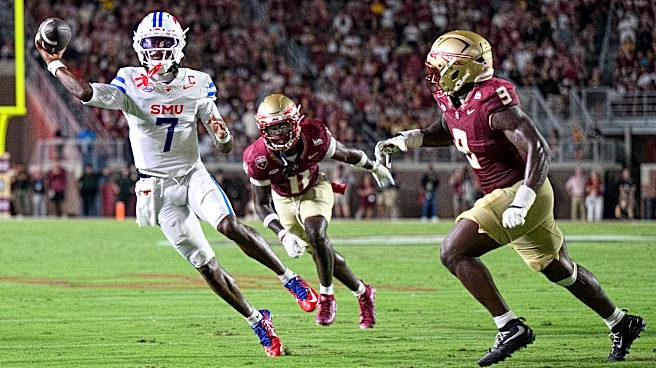
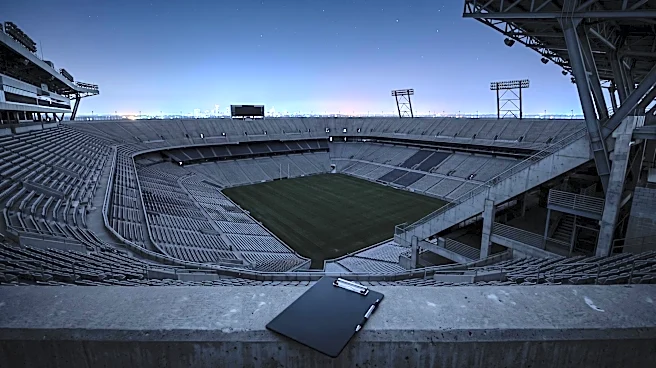
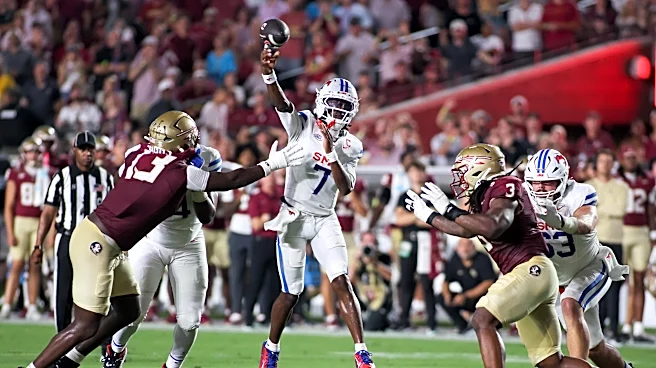
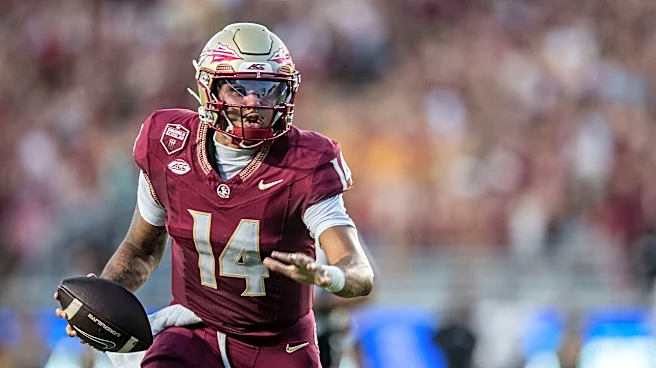
A significant power outage at Doak Campbell Stadium in Tallahassee, Florida, caused a nearly two-hour delay for the highly anticipated Labor Day football game between Florida State University (FSU) and No. 19 SMU. The game, originally scheduled for a 7:30
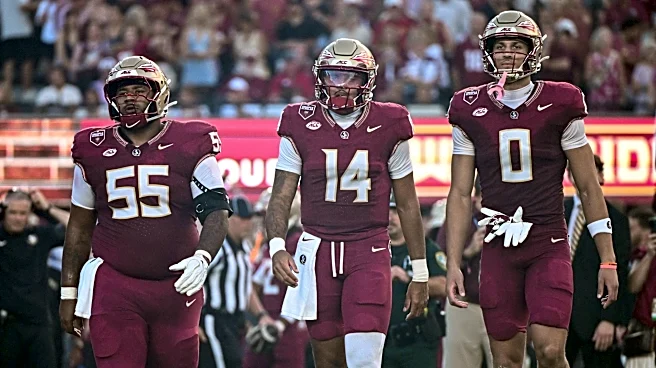
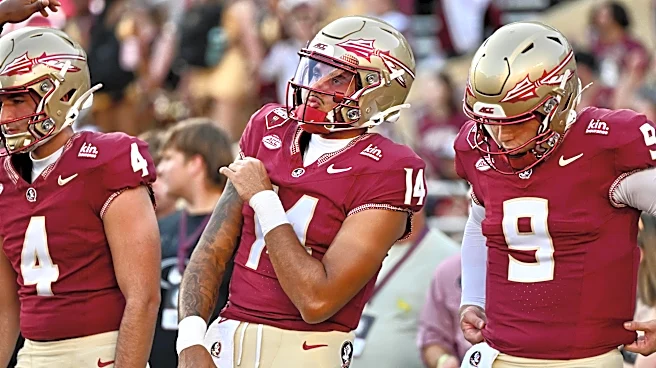
p.m. kickoff, did not begin until 9:15 p.m. The outage, reportedly caused by a transformer issue on the west side of the stadium, affected not only the stadium lights but also critical game-day infrastructure. Upon the eventual kickoff, power was only partially restored, leading to the absence of coach-to-player communication technology, sideline iPads, a public address announcer, a working stadium clock, and a functional scoreboard. Both teams, who had initially taken the field, were forced to return to their locker rooms during the extended delay.
Why It's Important?
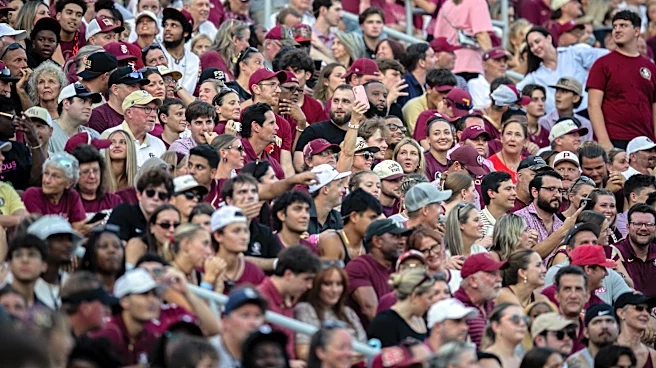
This incident highlights the vulnerability of large-scale public events, particularly sporting spectacles, to infrastructure failures. The disruption of essential communication and scoring systems underscores the reliance on modern technology for the smooth operation of professional and collegiate sports. For FSU and SMU, the delay and limited functionality during the game could have impacted player performance, coaching strategies, and the overall fan experience. Beyond the immediate inconvenience, such outages can lead to financial losses from delayed broadcasts, potential refunds, and damage to the reputation of the venue and organizing bodies. It also raises questions about contingency planning and the robustness of electrical systems in major sports facilities, especially given the increasing complexity and technological demands of live sports events.
What's Next?
Following the incident, FSU Athletics and stadium management will likely conduct a thorough investigation into the cause of the transformer failure and assess the overall electrical infrastructure of Doak Campbell Stadium. This could lead to upgrades or modifications to prevent similar occurrences in the future. There may also be a review of emergency protocols for power outages during live events, particularly concerning communication systems and essential game operations. Stakeholders, including broadcast partners and event organizers, will likely evaluate the financial and logistical impacts of the delay. Fans and the public will be looking for assurances that such disruptions will be avoided in future high-profile events at the stadium.
Beyond the Headlines
The power outage at Doak Campbell Stadium extends beyond a simple technical glitch, touching upon broader issues of infrastructure resilience and the evolving demands of live entertainment. In an era where sports events are increasingly reliant on advanced technology for everything from instant replays to fan engagement, a basic power failure can expose significant vulnerabilities. This event could prompt a wider re-evaluation of infrastructure investments in sports venues across the U.S., emphasizing the need for redundant systems and robust maintenance schedules. It also subtly underscores the human element in sports, as teams and officials had to adapt to a more rudimentary game environment, potentially influencing the flow and outcome of the contest in ways that modern technology usually mitigates.