





What's Happening?
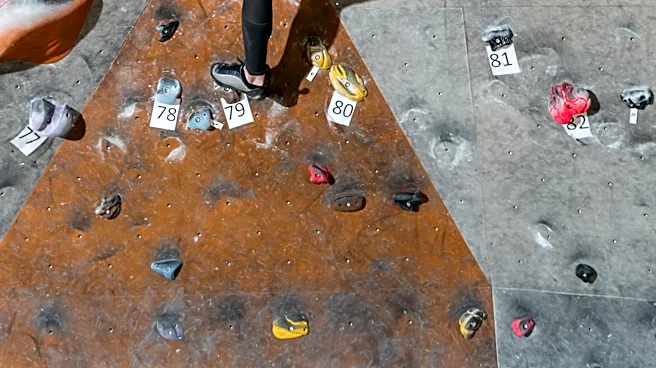
Indoor rock climbing is experiencing a surge in popularity across the United States, with approximately 800 climbing gyms and 10 million enthusiasts. This activity, initially developed for mountaineer training, is now recognized as a comprehensive fitness
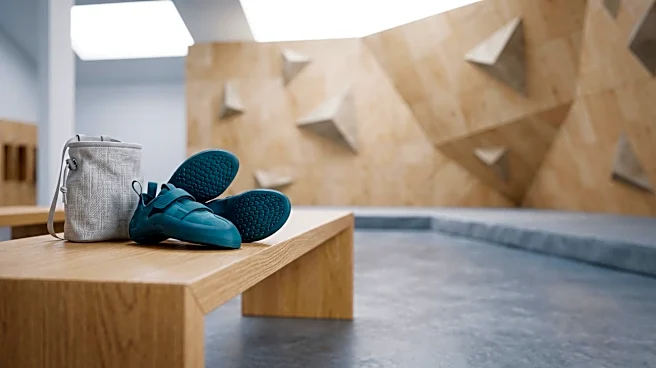
solution that engages all muscle groups, improves grip strength, balance, coordination, and joint mobility. Unlike traditional workouts, indoor climbing offers a dynamic and adaptable experience suitable for all fitness levels, from beginners to experienced participants. Beyond the physical benefits, it also fosters mental and emotional resilience by requiring problem-solving, route navigation, and movement through uncertainty in a safe and supportive environment. Marcie Reeder, owner of North Summit Climbing Gym in Wind Gap, Pennsylvania, highlights that climbing is popular across generations, offering a fun way to burn calories and build muscle without feeling like a typical workout. Jared Vagy, a doctor of physical therapy and climbing-injury specialist, emphasizes that modern commercial gyms provide padded flooring, standardized safety systems, and beginner instruction courses, making the sport accessible and safe for newcomers. Most gyms also offer equipment rentals, allowing individuals to try the sport without significant initial investment.
Why It's Important?
The growing popularity of indoor rock climbing signifies a shift in fitness trends, moving towards activities that offer both physical and mental engagement. This trend has significant implications for the U.S. health and wellness industry, driving demand for new climbing facilities, specialized equipment, and instructional programs. The accessibility of indoor climbing, with gyms providing rentals and structured guidance, lowers the barrier to entry for a broad demographic, including families and individuals of all ages. This inclusive nature contributes to public health by promoting active lifestyles and offering an alternative to more repetitive traditional workouts. The mental benefits, such as enhanced confidence, focus, and persistence, are particularly relevant in a society increasingly recognizing the importance of mental well-being. For businesses, this growth translates into economic opportunities for gym operators, equipment manufacturers, and related service providers. The emphasis on safety and instruction in commercial gyms also sets a standard for responsible recreational activities, potentially influencing other adventure sports.
What's Next?
The indoor climbing industry is likely to continue its expansion, with more climbing gyms expected to open across the U.S. This growth will necessitate an increased demand for certified instructors and staff to manage safety and provide coaching. We can anticipate further innovation in climbing gym design, hold technology, and training programs to cater to diverse skill levels and preferences. The integration of climbing into broader wellness initiatives, such as corporate wellness programs or school physical education curricula, could also become more prevalent. As the sport matures, there may be a greater focus on injury prevention and rehabilitation, leading to specialized physical therapy services and research. Additionally, the community aspect of climbing, with gyms often hosting social nights and youth programs, suggests a continued emphasis on fostering a supportive environment, which could lead to more community-focused events and competitions. The industry will also need to address the balance between rapid growth and maintaining safety standards and environmental considerations for both indoor and potential outdoor transitions.
Beyond the Headlines
The rise of indoor rock climbing reflects a deeper societal desire for engaging, holistic activities that challenge both body and mind. In an increasingly sedentary and digitally-focused world, climbing offers a tangible, physical, and problem-solving experience that can combat issues like screen addiction and lack of physical activity. The sport's emphasis on gradual progression and technique over brute strength also promotes a more mindful approach to fitness, encouraging individuals to listen to their bodies and develop sustainable habits. Ethically, the industry faces the challenge of ensuring accessibility for all socioeconomic backgrounds, as specialized gear and gym memberships can be costly. Culturally, climbing fosters a unique sense of community and camaraderie, often transcending typical social barriers. This communal aspect, combined with the individual challenge, contributes to a sense of achievement and self-efficacy that extends beyond the climbing wall, potentially influencing how individuals approach other life challenges. The sport's evolution also highlights the ongoing redefinition of 'fitness' to include activities that are not only physically demanding but also mentally stimulating and socially enriching.