


What's Happening?
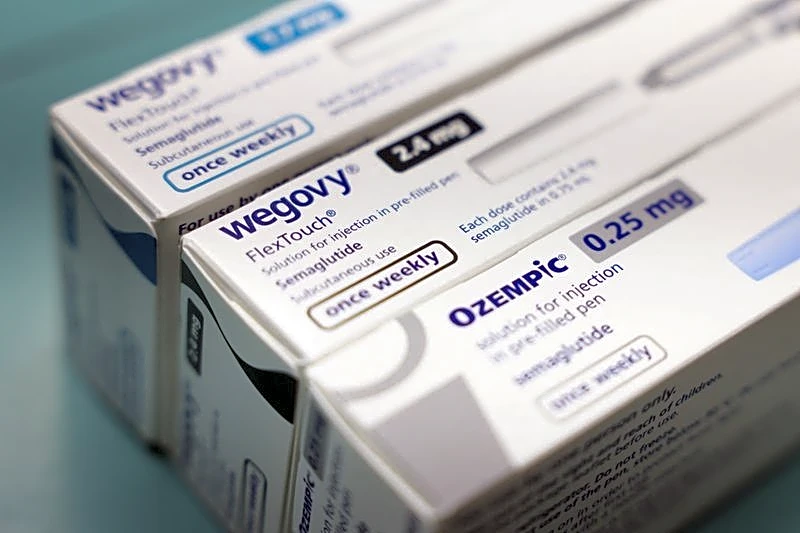
Swiss skincare firm Galderma, Brazilian cosmetics group Natura, and beauty giant L’Oreal are actively developing and testing treatments to address concerns known as 'Ozempic face.' This term describes facial sagging and volume loss, which have become
more prevalent due to the rapid weight loss experienced by individuals using GLP-1 obesity drugs like Ozempic and Wegovy. Experts clarify that the facial changes are linked to rapid weight loss itself, rather than the drugs directly. These companies are capitalizing on a new market opportunity, with some existing treatments being marketed to GLP-1 users, and new products specifically targeting these concerns are under development. For instance, Galderma, 20% owned by L'Oreal, conducted a study last year on how its existing treatments perform on skin changes associated with GLP-1 weight-loss drugs. L'Oreal is also testing products on GLP-1 users in separate studies, recognizing this group as increasingly important. Natura is testing existing products and developing a new generation of treatments, including potential supplements and ingestibles.
Why It's Important?
The emergence of 'Ozempic face' as a market segment highlights the significant impact of new pharmaceutical advancements on the beauty and aesthetics industry. The obesity drug market is projected to reach $150 billion in annual sales by 2030, creating a lucrative opportunity for skincare and medical aesthetics companies. Revenue from clinical treatments addressing skin laxity and facial volume loss post-weight loss is estimated to grow from $700 million to $2 billion over the next five years, according to Boston Consulting Group. This trend indicates a shift in consumer needs and a rapid adaptation by beauty giants to meet these demands. The development of targeted treatments could lead to substantial financial gains for these companies and influence research and development in dermatology and cosmetic science. Furthermore, the focus on 'Ozempic face' underscores the broader societal implications of weight-loss drugs, extending beyond health to impact personal appearance and self-perception, thereby creating new avenues for consumer spending and industry innovation.
What's Next?
The beauty industry is expected to continue its aggressive pursuit of solutions for 'Ozempic face,' with more targeted products and treatments likely to emerge. Companies like Galderma, L'Oreal, and Natura are already investing in research and development, including testing existing products and creating new ones, some of which may combine different formats such as supplements and ingestibles. The market for these treatments is anticipated to grow significantly, driven by the increasing use of GLP-1 drugs. Medical professionals, such as facial plastic surgeons, are already observing a surge in requests for treatments from GLP-1 patients, indicating a sustained demand. However, there is ongoing debate among dermatologists regarding the efficacy of topical skincare products for addressing volume loss in the fat layer of the face, suggesting that injectable treatments like fillers may remain more effective. This will likely lead to further innovation in both topical and injectable solutions, as companies vie for market share in this rapidly expanding sector.
Beyond the Headlines
The phenomenon of 'Ozempic face' raises deeper questions about the intersection of medical advancements, beauty standards, and consumer psychology. While GLP-1 drugs offer significant health benefits through weight loss, the aesthetic side effects create new pressures and demands within the beauty industry. The term 'Ozempic face' itself, though considered misleading by some dermatologists, reflects a societal tendency to label and categorize physical changes, potentially influencing self-esteem and body image. The rapid response from beauty companies to monetize these concerns highlights the industry's agility but also its role in shaping and responding to perceived imperfections. This trend could lead to a greater integration of medical and cosmetic fields, with pharmaceutical and beauty companies collaborating more closely. It also underscores the ongoing challenge of distinguishing between genuine medical needs and commercially driven aesthetic desires, particularly as medical treatments increasingly have visible impacts on appearance.