






What's Happening?
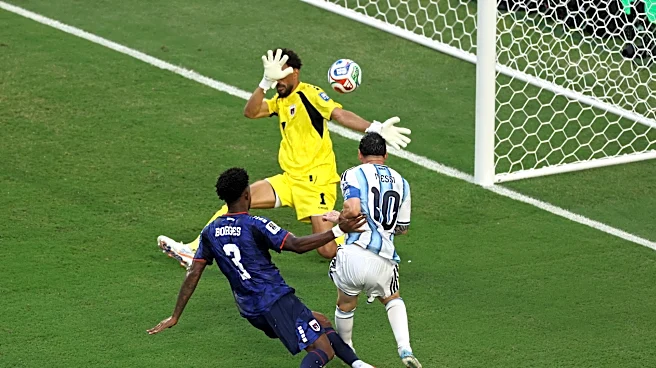
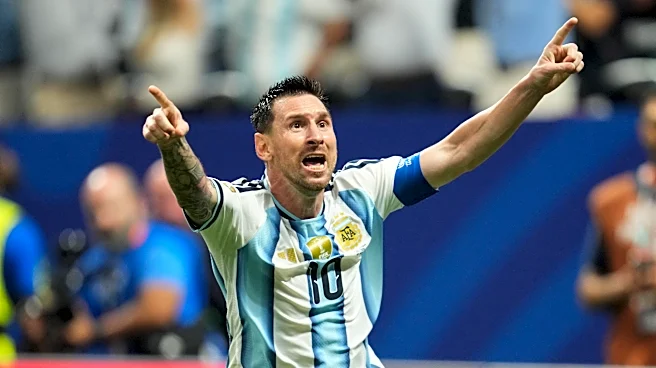
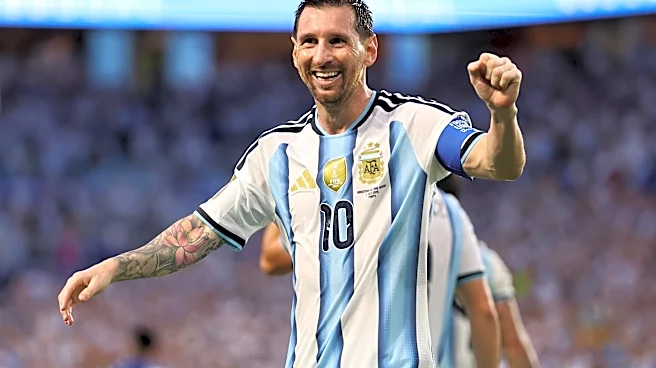
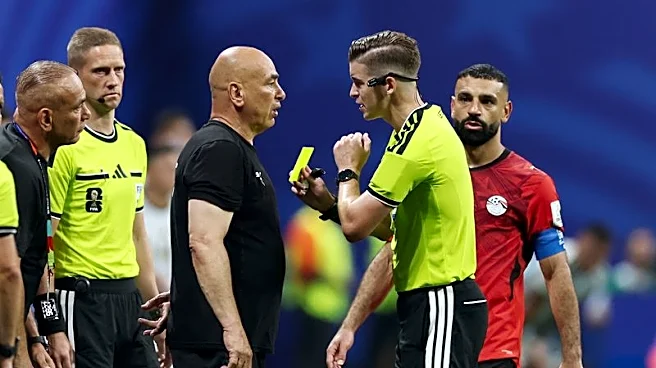
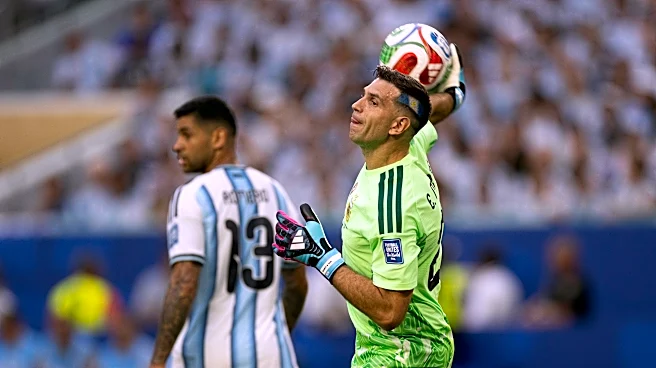
Argentina's 3-2 victory over Egypt in the World Cup round-of-16 match has sparked controversy due to a late VAR decision that disallowed Egypt's second goal. The match, held in Atlanta, has been criticized for inconsistent refereeing, with claims that external
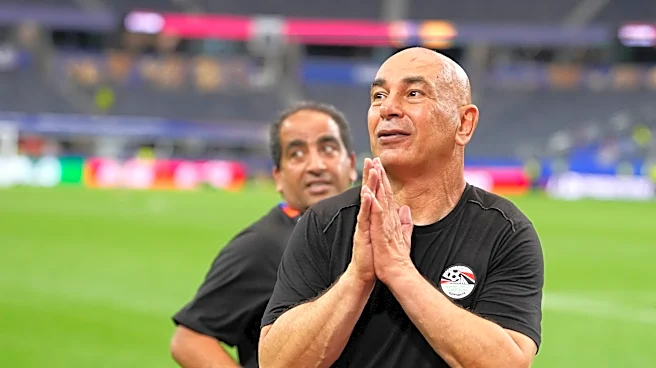
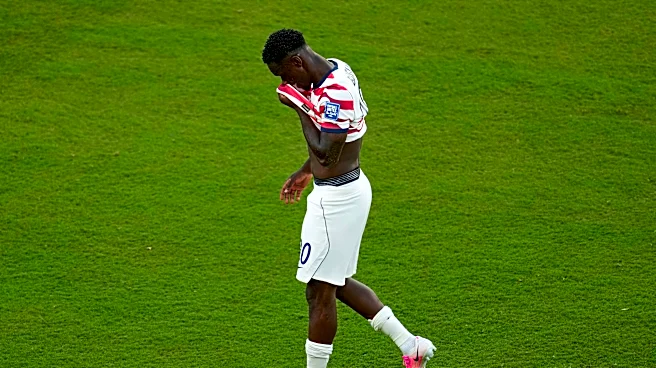
pressures may have influenced the outcome to favor Argentina and keep Lionel Messi in the tournament. Egypt's head coach, Hossam Hassan, suggested that officials were pressured to ensure Argentina's continued participation. The controversy follows a similar incident involving U.S. President Trump, who influenced FIFA to overturn a suspension for a U.S. player. Experts have raised concerns about the integrity of the tournament, highlighting the blurred lines between sports and politics.
Why It's Important?
The controversy surrounding the VAR decision in the Argentina-Egypt match highlights ongoing concerns about the influence of politics and external pressures in international sports. The incident raises questions about the fairness and integrity of the World Cup, potentially undermining public trust in the tournament's outcomes. The involvement of high-profile figures like President Trump and the close relationship between Argentina's President Javier Milei and Trump further complicates the situation, suggesting potential biases in decision-making. This situation could impact the reputation of FIFA and the World Cup, affecting stakeholders such as players, fans, and sponsors who rely on the tournament's credibility.
What's Next?
The fallout from the controversial match is likely to prompt further scrutiny of FIFA's decision-making processes and the use of VAR technology. Stakeholders, including national teams and football associations, may call for reforms to ensure greater transparency and consistency in officiating. The incident could also lead to increased pressure on FIFA to address perceived biases and political influences in the sport. As the tournament progresses, the focus will be on how FIFA manages similar situations and whether any changes are implemented to restore confidence in the World Cup's integrity.
Beyond the Headlines
The controversy underscores the broader issue of how sports can be influenced by political and economic interests. The potential for bias in officiating decisions raises ethical questions about the role of technology in sports and the need for accountability in its application. The incident also highlights the cultural significance of football as a global sport, where decisions can have far-reaching implications beyond the field. The situation may prompt discussions about the balance between maintaining the sport's integrity and accommodating the commercial and political interests that surround major tournaments.