






What's Happening?
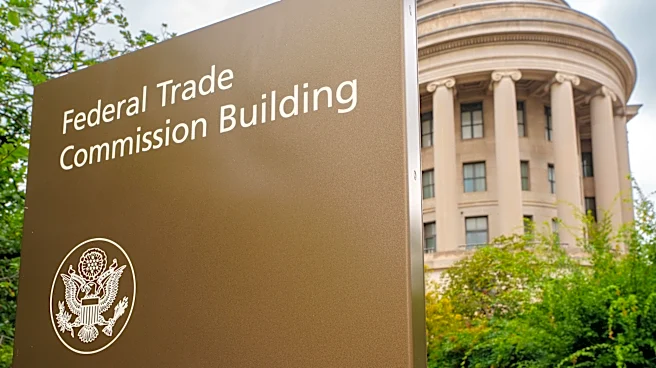
Shein, the global online fashion retailer, has agreed to a US$100 million settlement with the U.S. Federal Trade Commission (FTC) to resolve allegations of deceptive and unfair business practices. The FTC's complaint detailed several violations, including
misleading customers about shipping times, with tens of thousands of U.S. customers reportedly experiencing significant delays or non-delivery of orders. Despite shipping nearly one million packages to the U.S. daily, Shein allegedly employed only five customer service agents for telephone inquiries as of September 2025, making it difficult for consumers to resolve issues. Furthermore, the FTC accused Shein of suppressing negative product reviews on its website, only publishing positive comments, and making unsubstantiated claims regarding supplier compliance audits and raw material traceability, particularly concerning its 'evoluSHEIN' products. The settlement requires Shein to pay US$100 million in consumer compensation and implement measures to address these business practices, though Shein stated the settlement does not constitute an admission of liability. The agreement is currently awaiting federal court approval.
Why It's Important?
This settlement underscores the increasing regulatory scrutiny faced by global e-commerce platforms operating within the U.S. market. For consumers, the agreement aims to provide redress for past deceptive practices and ensure more transparent and reliable service in the future, particularly concerning shipping accuracy and authentic product reviews. For other online retailers and brands, this case highlights the critical importance of adhering to federal regulations regarding advertising compliance, supply chain transparency, and customer service. The FTC's actions signal a clear message that companies must back up claims about product origins, ethical sourcing, and delivery times. The requirement for Shein to improve its customer service and review management practices could set a precedent for how other large online retailers are expected to operate, potentially leading to a more trustworthy online shopping environment for U.S. consumers.
What's Next?
Following the agreement, Shein is mandated to pay US$100 million in consumer compensation, pending federal court approval. Beyond the financial penalty, the company will be prohibited from misrepresenting shipping times and suppressing negative customer reviews. Shein is also required to provide adequate customer service and cease making deceptive claims about supplier and manufacturer audits or product traceability. This includes ensuring that any claims about ethical sourcing or product composition, such as those for its 'evoluSHEIN' line, are fully substantiated. The implementation of these measures will be closely watched by regulatory bodies and consumer advocacy groups. The settlement could prompt other e-commerce platforms to proactively review their own operational practices to avoid similar legal challenges from the FTC, potentially leading to broader industry changes in transparency and consumer protection.
Beyond the Headlines
The Shein settlement extends beyond immediate financial penalties, touching upon deeper ethical and operational considerations within the fast fashion industry. The allegations regarding unsubstantiated claims about supplier compliance audits and raw material traceability, particularly concerning child and forced labor, highlight the complex challenges of ensuring ethical supply chains in a globalized market. This case brings to light the potential for 'greenwashing' or misleading consumers about product sustainability and ethical sourcing. The suppression of negative reviews also raises questions about the authenticity of online consumer feedback and its impact on purchasing decisions. This development could encourage a broader re-evaluation of how e-commerce platforms manage user-generated content and verify product claims, potentially leading to more stringent industry standards for transparency and accountability. It also emphasizes the ongoing tension between rapid growth, affordability, and ethical business practices in the digital retail space.