





What's Happening?
QTS Data Centers is scheduled to host a community event on Wednesday, December 2, at Howard College in Big Spring, Texas. The purpose of the event is to inform local residents about the company's plans for a new data center to be constructed west of Big Spring.
The QTS team will be present in the Dorothy Garrett Coliseum East Room from 5:30 p.m. to 7 p.m. to address questions regarding job opportunities and provide details about the proposed data center. This initiative follows QTS's announcement of plans to build a $10 billion facility in Howard County, which is projected to create 350 new jobs. The event is open to the public and free of charge, with QTS requesting that residents requiring accommodations contact their community feedback team or speak with a staff member at the meeting.
Why It's Important?
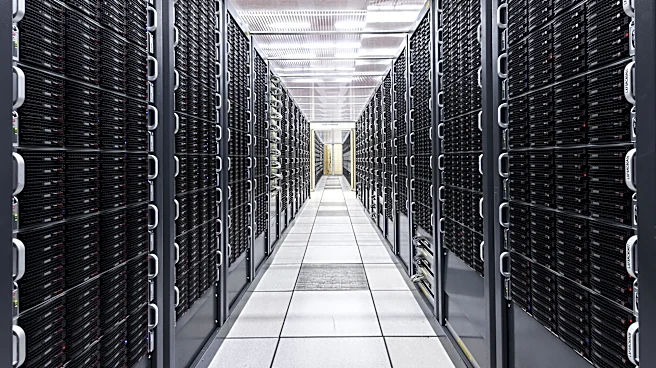
The proposed $10 billion data center by QTS Data Centers in Howard County, Texas, represents a significant economic development for the region. The creation of 350 new jobs will provide substantial employment opportunities for local residents, potentially boosting the local economy through increased consumer spending and tax revenues. Data centers are critical infrastructure in the digital age, supporting a wide range of services from cloud computing to online communications. This investment signifies a growing demand for such facilities and positions Howard County as a potential hub for digital infrastructure. The community event is crucial for fostering transparency and addressing local concerns, ensuring that the project integrates smoothly with the existing community and workforce.
What's Next?
Following the community event on December 2, QTS Data Centers will likely proceed with further planning and development stages for the proposed data center in Howard County. The feedback gathered from residents during the event could influence specific aspects of the project, particularly concerning local employment and community integration. The company will need to secure necessary permits and approvals from local and state authorities before construction can commence. The creation of 350 jobs will necessitate recruitment efforts, potentially leading to training programs or partnerships with local educational institutions to prepare the workforce for the specialized roles required in a data center. The long-term impact will involve the integration of this large-scale facility into the local economic and social fabric.
Beyond the Headlines
The development of a $10 billion data center in a rural area like Howard County highlights a broader trend of technology infrastructure expanding beyond traditional urban centers. This decentralization can bring significant economic benefits to smaller communities, but also raises questions about resource allocation, particularly concerning power and water, which are essential for data center operations. The influx of 350 new jobs, while positive, could also lead to demographic shifts and increased demand for local services and housing. Furthermore, the long-term environmental impact of such a large facility, including energy consumption and potential heat output, will be a critical consideration for sustainable development in the region. The community engagement process is vital for ensuring that these broader implications are addressed proactively.